Six R-Guard products offer the same performance you’ve come to rely on for energy-efficient building envelopes, now with the added benefit of verified, multi-attribution documentation via Environmental Product Declarations.
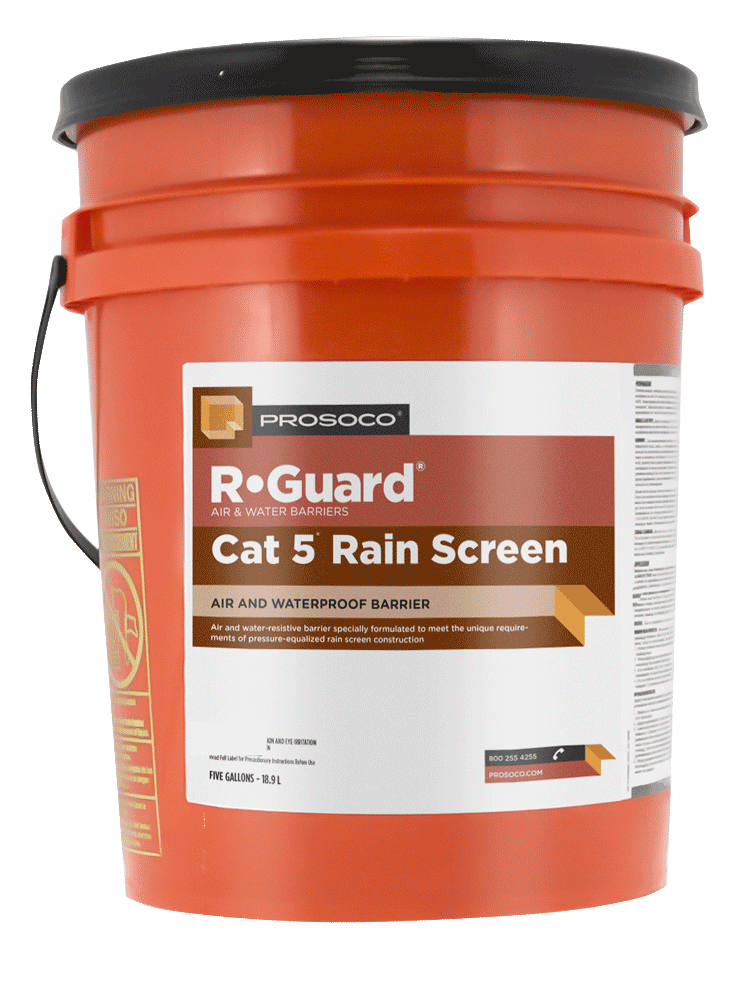
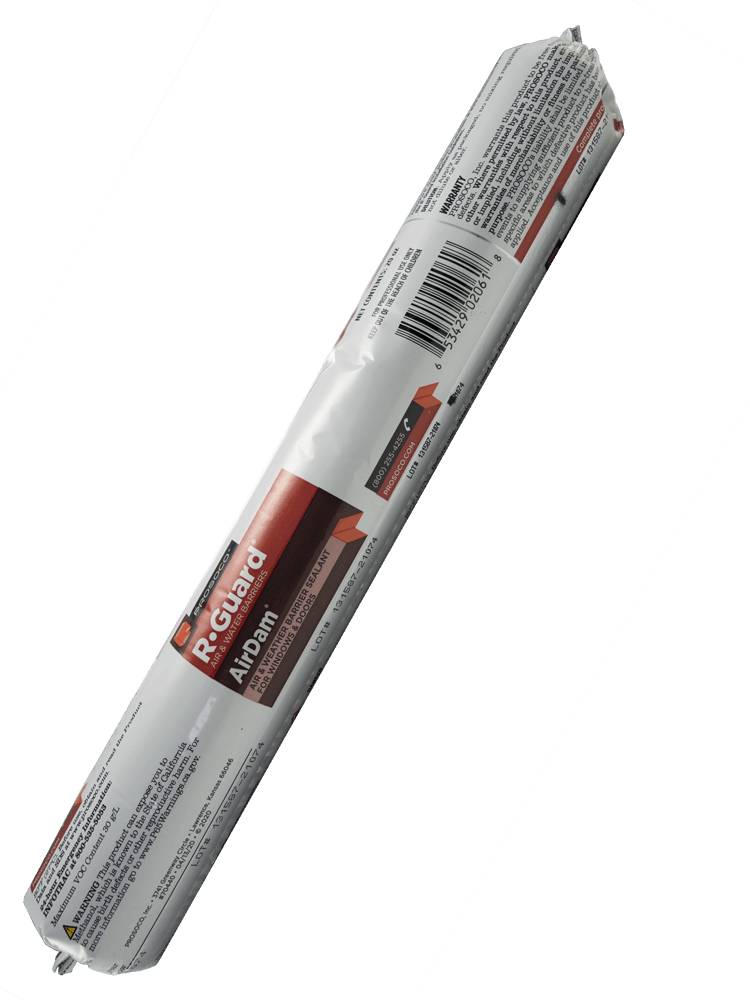
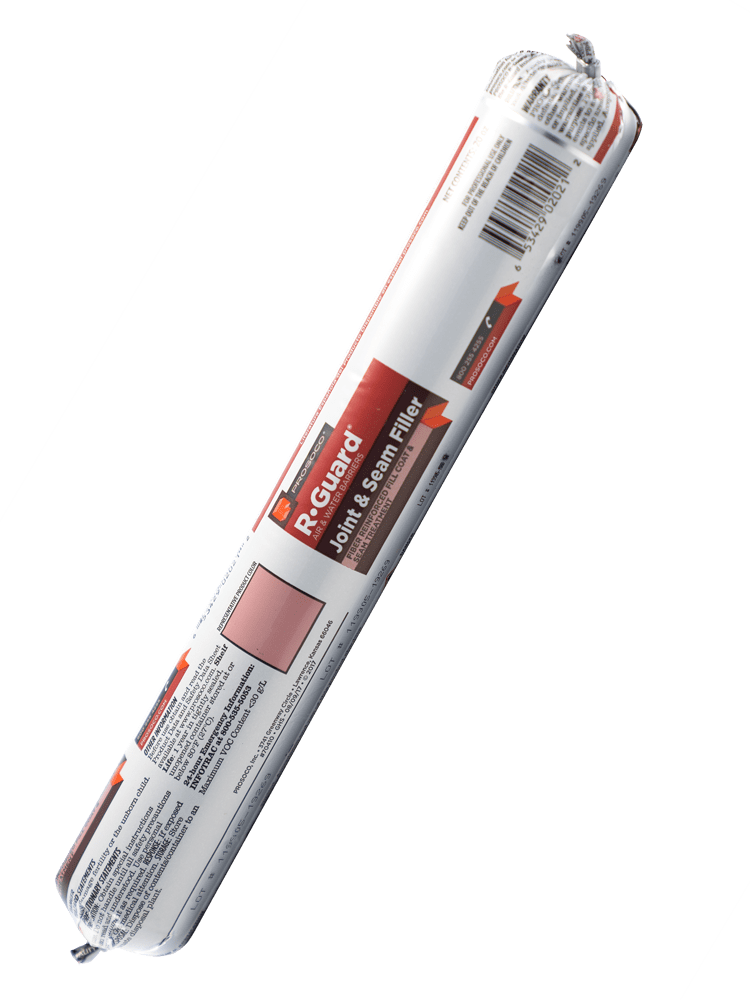
Achieving LEED v5 just got a little easier thanks to six new Environmental Product Declarations (EPDs) for six PROSOCO’s R-Guard air and water barrier products: Cat 5, Cat 5 Rain Screen, FastFlash, Joint & Seam Filler, AirDam, and Targeted Interior Air Seal.
Earlier this year, PROSOCO announced EPDs for all five of its concrete densifiers: LS, LS/CS, Blended Densifier, BD1, and DensiKure.
Considering the R-Guard system has been trusted on thousands of green projects since it pioneered the fluid-applied flashing market in the early 2000s, adding an EPD to its repertoire of accreditations was an easy choice, says Alex Boyer, PROSOCO’s Vice President of Sustainability and Business Development.
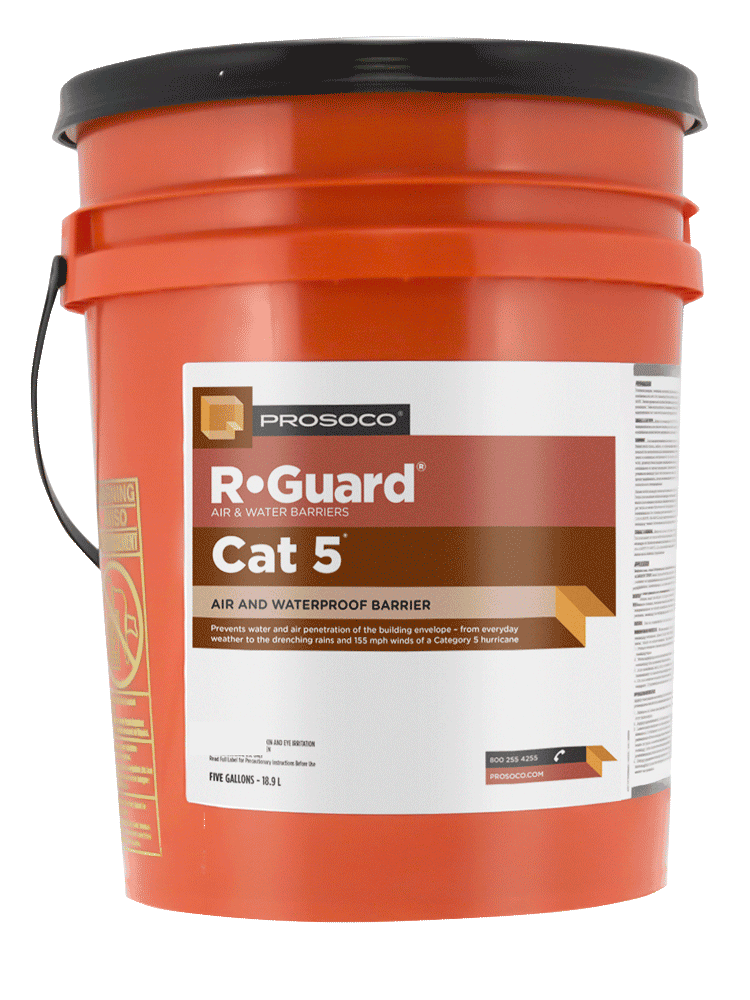
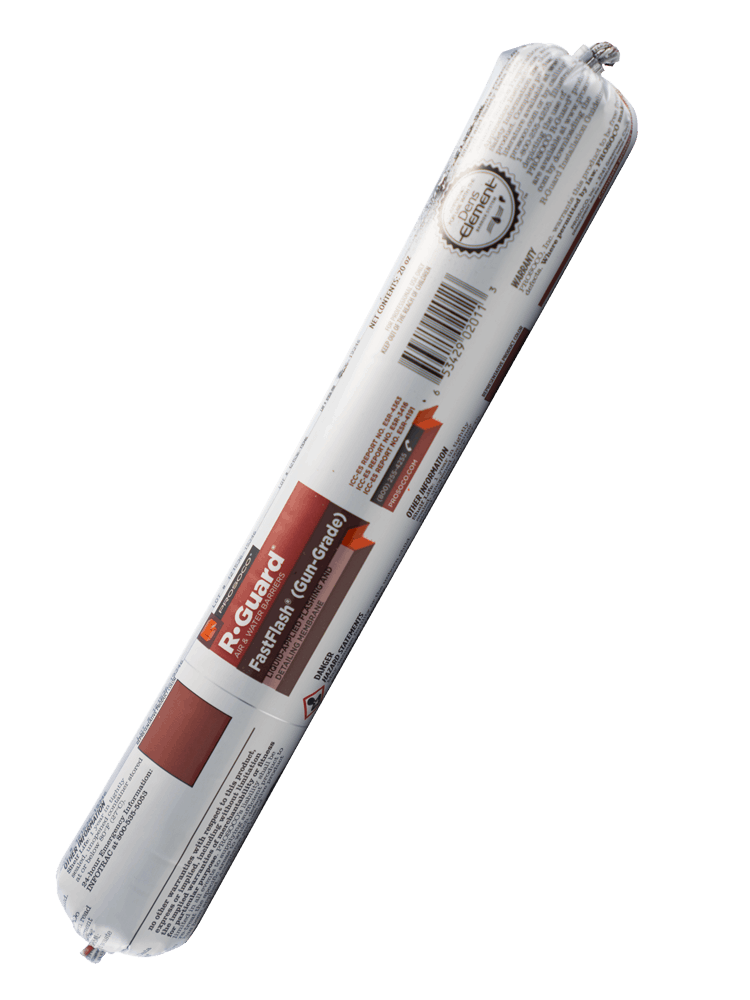

“When FastFlash debuted more than 20 years ago as the first fluid-applied flashing membrane on the market, building science professionals quickly recognized the role it could play in advancing our standards for moisture management for healthier, more energy-efficient living,” Boyer says.
Word-of-mouth about FastFlash (and other subsequent additions to round out the R-Guard Cat 5 system), spread quickly when PROSOCO voluntarily removed phthalates from the FastFlash formulation to allow its use on perhaps the most famous green building in the world – Seattle’s Bullitt Center.
Since then, R-Guard STP air and water barrier products have been used on many signature green projects, including the Kendeda Building at Georgia Tech in Atlanta; Second + Delaware, the world’s largest multi-family Passive House; and dozens of Living Building Challenge projects.
The six EPDs will help contribute to LEED credits sought out by sustainability professionals, specifiers, consultants, and designers.
“The R-Guard line has long been trusted on the greenest buildings in the world, and its decades of proven performance is a good reason for that,” Boyer says. “We’ve always been conscious about the manufacturing impact of our products on the environment, and we’re proud to now have documentation of that impact.”
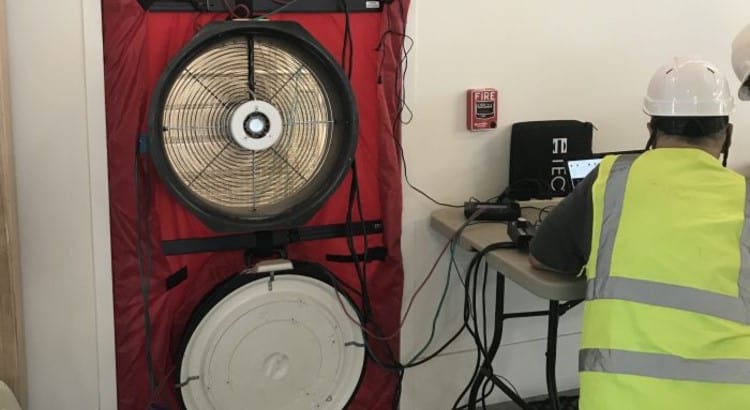
Amongst its legacy counterparts, Targeted Interior Air Seal (TIAS) is the relative newcomer to the R-Guard family. Launched in 2025, TIAS is installed from a building’s interior to air-seal around through-wall penetrations and along joints and seams that separate conditioned from non-conditioned spaces where air leakage is likely to occur.
“When people think of green building, they tend to think of new construction, and TIAS is solving a problem for those who want to improve the performance of existing buildings,” Boyer says. “The deepest green retrofits need a solution for getting a good quality air seal from the interior. We’re excited to get this kind of accreditation for TIAS to show that it can and should be used in LEED and green building-certified retrofits moving forward.”
SUSTAINABILITY CONTACT:
Alex Boyer, alex.boyer@prosoco.com