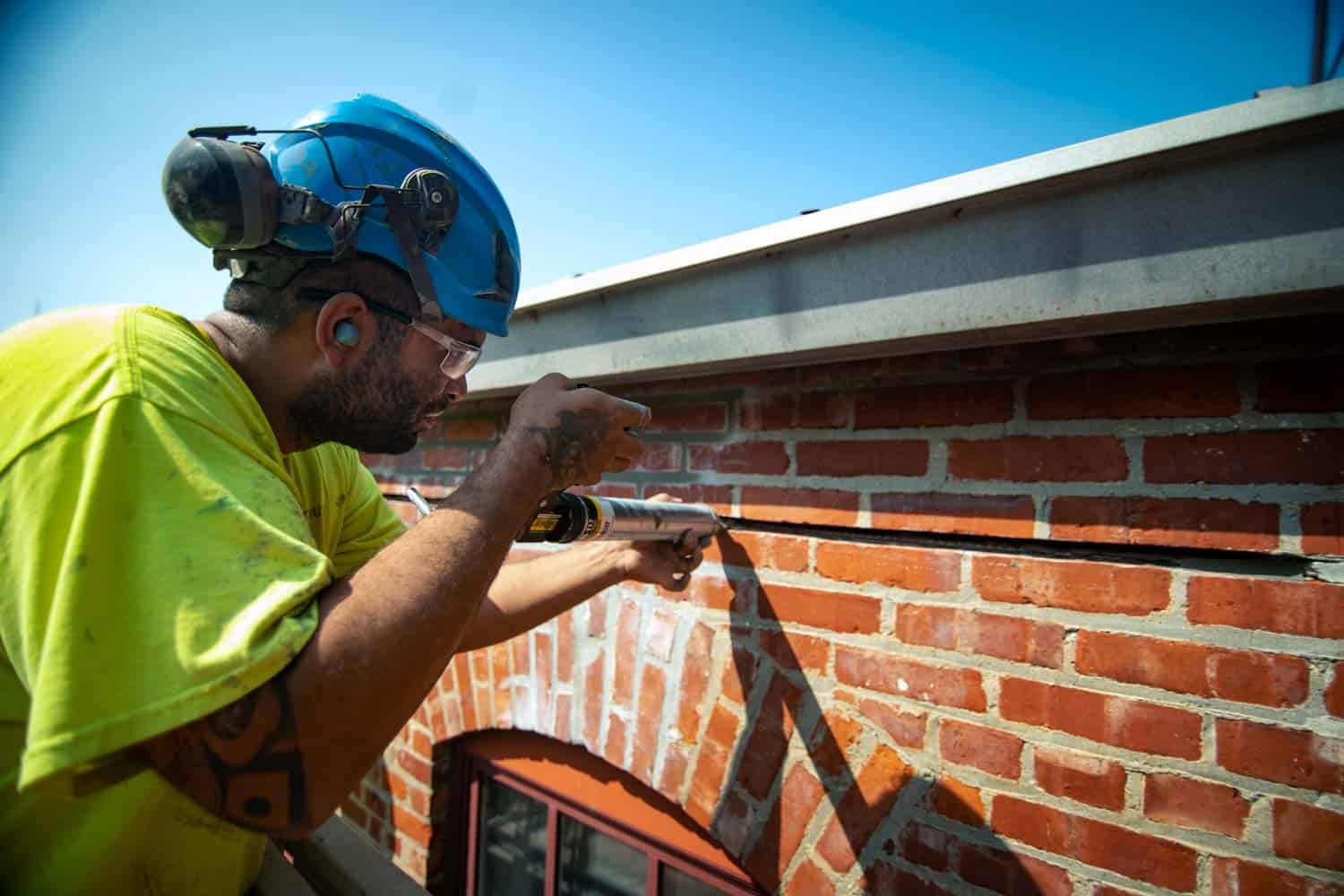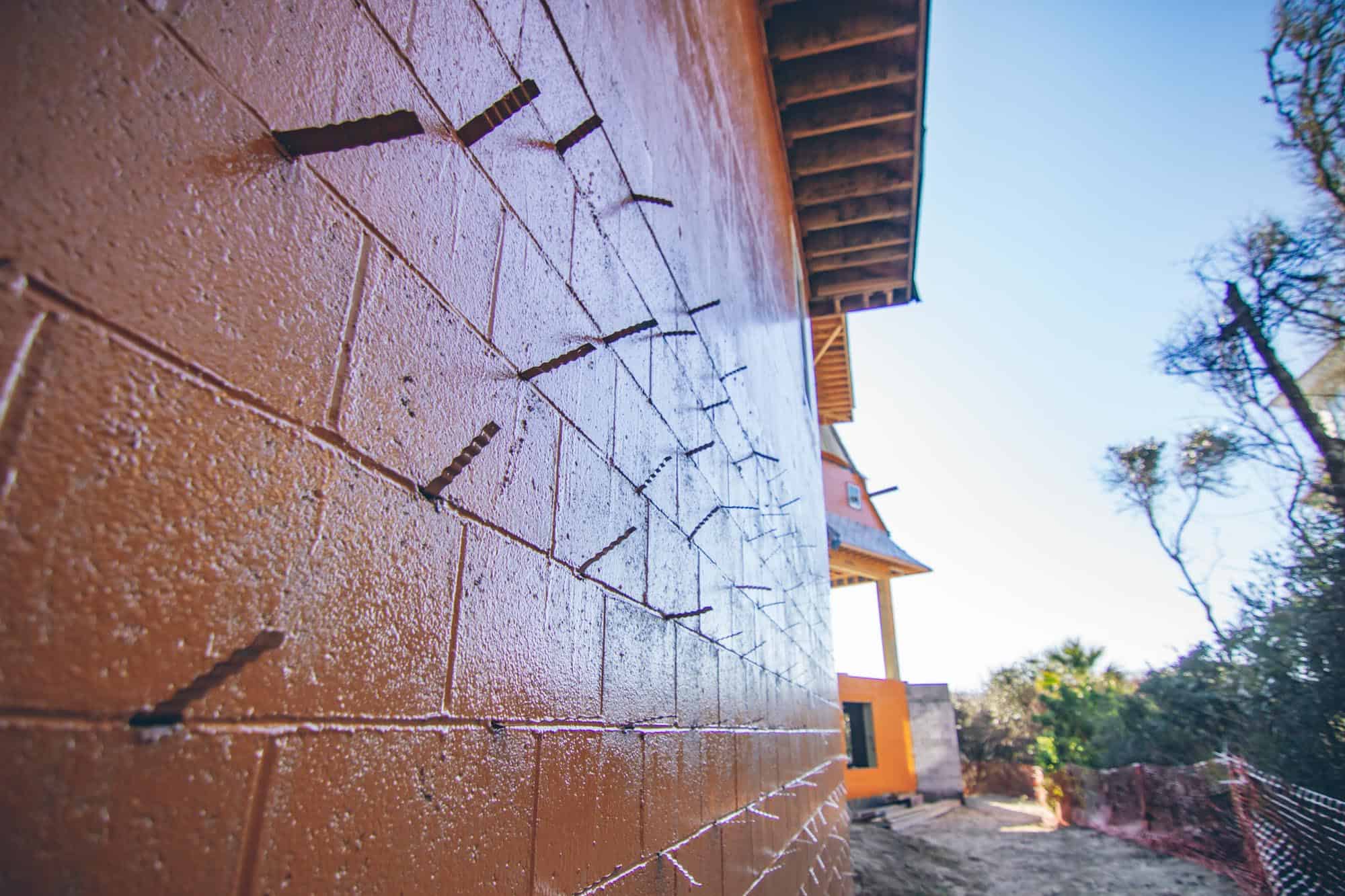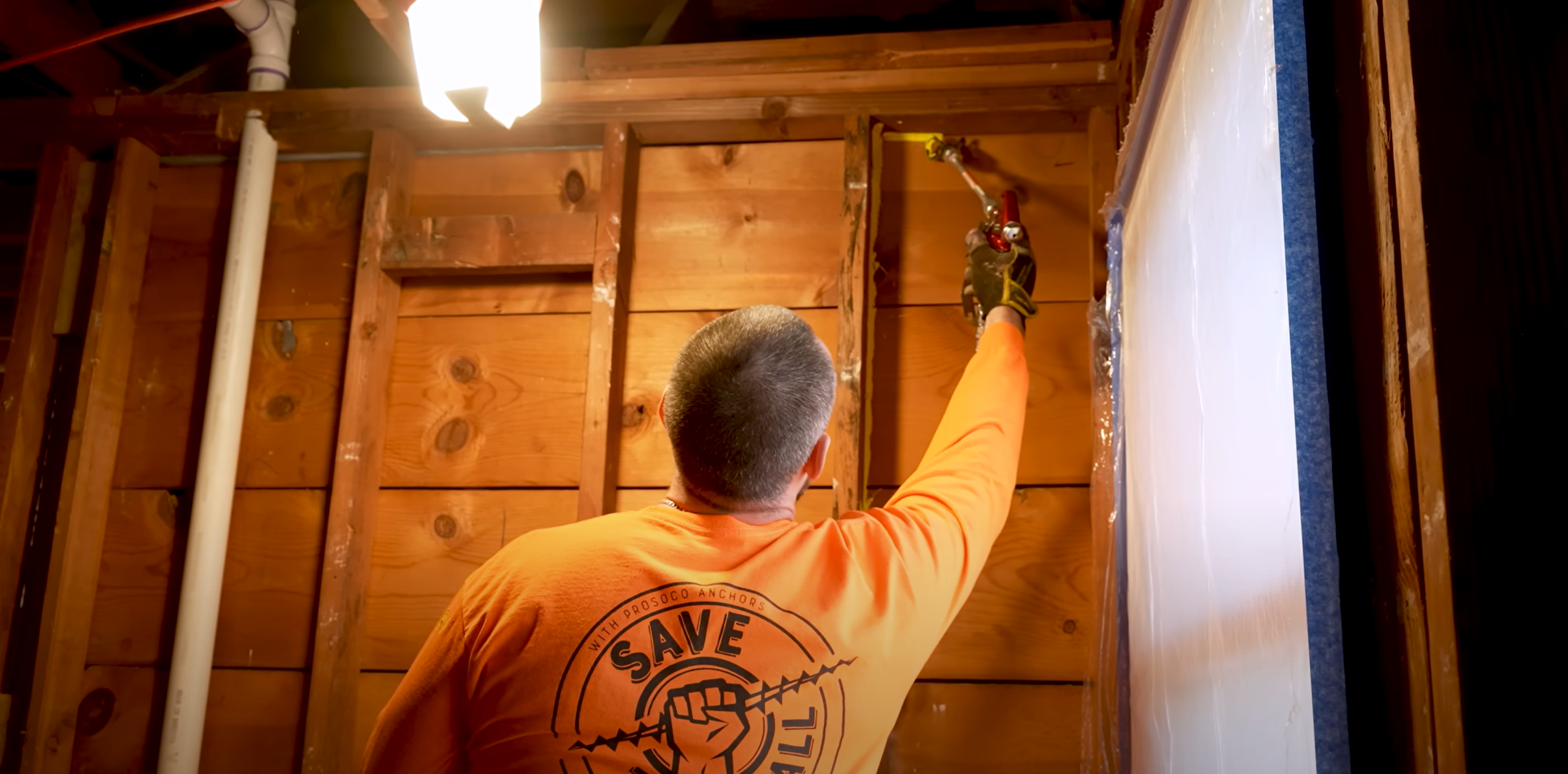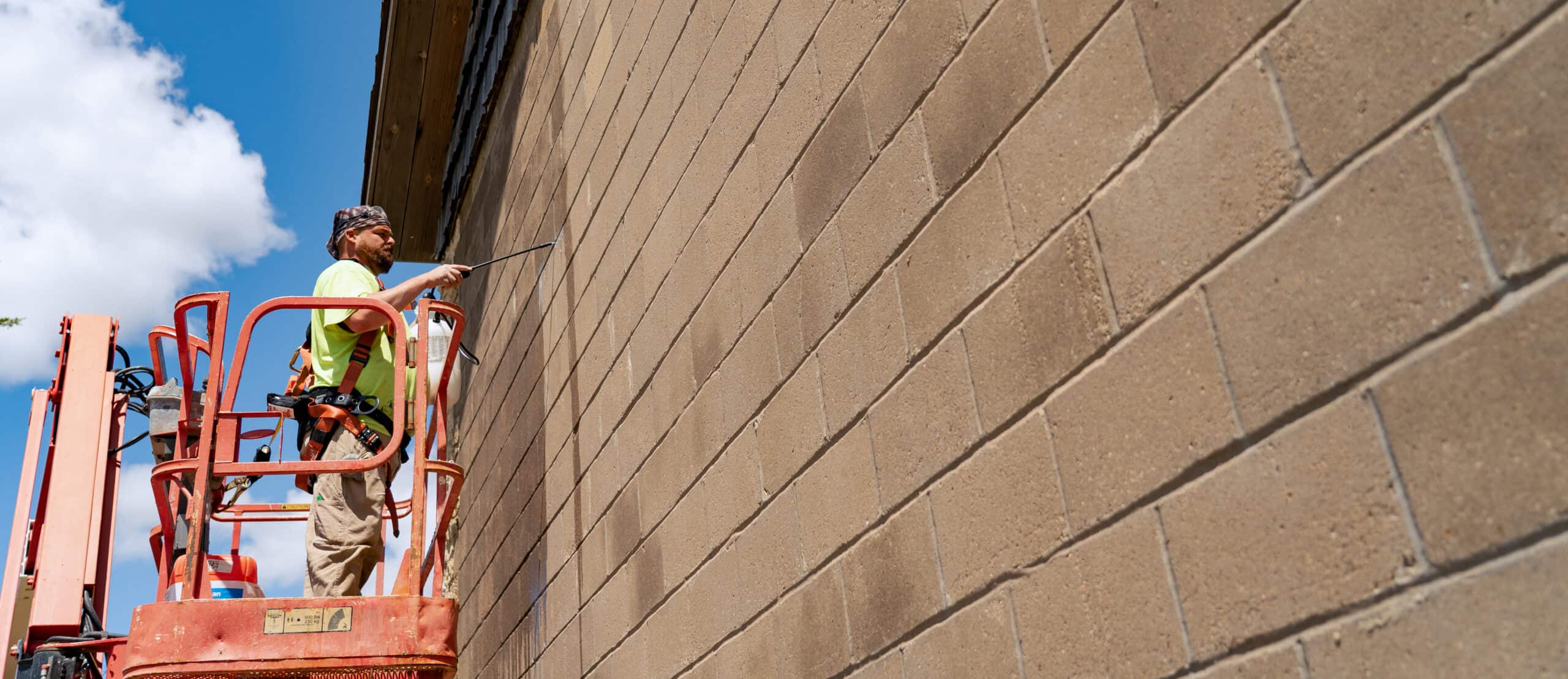
When it comes to masonry anchors, restoration is a whole different ballgame than new construction. While new construction anchors are installed while the wall is being built, fastened to the backup structure and mortared into place at the veneer connection, restoration anchors are installed through existing building materials, drilled and installed through the mortar joints or body of the brick, where they can then be patched over to hide the repair.
So, when I asked Jeff Scarpelli, PROSOCO’s Product Engineer for our anchoring systems, what architects need to know about masonry anchors, the conversation was decidedly divided into these two tracks. Here is his QA on what every architect, designer, and specifier should know about specifying restoration anchors.
How to spec masonry anchors for restoration
Q1: What’s the biggest mistake architects make when specifying masonry anchors for restoration?
A1: The biggest, and most common, mistake I see is only looking at published laboratory data and not performing on-site testing. The performance of an anchor on-site is highly dependent on the existing condition of the materials present. If you have 20 years of moisture intrusion, where the mortar joint has decayed, the performance you achieve on-site will most likely not meet the data observed in laboratory conditions.
Q2: How often do you see anchors specified generically rather than system-specifically, and what are the consequences?
A2: If a project has reached a point where specifications/drawings have been completed, the restoration anchor type is typically spelled out clearly by the A/E. In some cases, there may be performance requirements, or notes on a specific number of tests that need to be performed prior to project startup. As noted earlier, if testing has not been performed prior to this, where the specification is based solely on laboratory performance data, issues can arise if field testing has not been performed to verify the anchor meets the project requirements.
Q3: Is there a meaningful difference in how architects should think about anchor specification versus how contractors think about anchor installation?
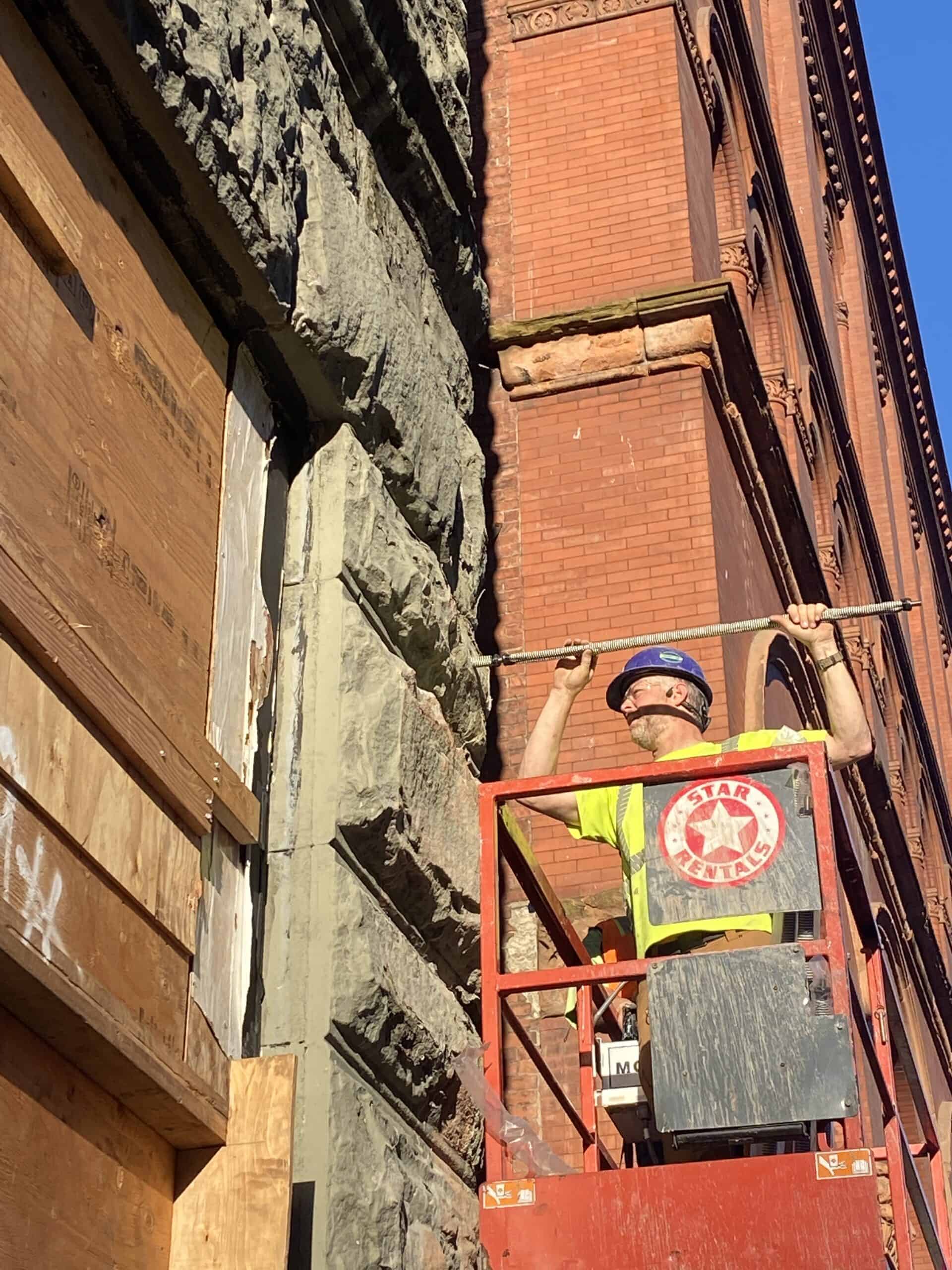
A3: Architects and engineers typically focus on the performance requirements of the anchoring system, while the contractors focus on the installation aspects of it.
In restoration, existing conditions are often unknown until the wall is opened up. Material deterioration, poor construction, or varying substrate conditions mean the engineer should specify performance requirements and allow flexibility to adjust the anchoring approach based on field observations and testing. The contractors play a large role in restoration by identifying unforeseen conditions as the work is being performed. If any conditions or distress not previously observed by the A/E is found, they help communicate this information back to the design team to ensure an appropriate repair is performed.
Q4: What codes and standards govern masonry anchor specification today, and are architects generally aware of them?
A4: In restoration, there are not any prescriptive code provisions that address post-installed masonry anchors for existing buildings at this time. A/Es typically rely on manufacturer testing, engineering judgement, and project-specific field testing to develop repair details. Because of this, restoration anchor design is often more performance-based than code-prescriptive, making field evaluation and verification much more important than in new construction.
Q5: What information does an architect need to gather before they can even begin to specify a restoration anchor — and how do they get it if the original drawings don't exist?
A5: Before specifying a restoration anchor, the A/E must first have an understanding of the existing wall, and most importantly, the root cause of the distress. Unlike new construction, restoration projects often involve undocumented construction details or varying material properties. Industry resources such as the ICRI 410.1-2008 Guide for the Evaluation of Masonry Facade Structures and the TMS Assessment and Retrofit of Masonry Structures (2020) provide comprehensive guidance for evaluating existing masonry buildings.
At a minimum, the design team should understand the root cause of the distress, the condition of the existing wall, the materials requiring anchorage, and the expected loads the repair needs to resist.
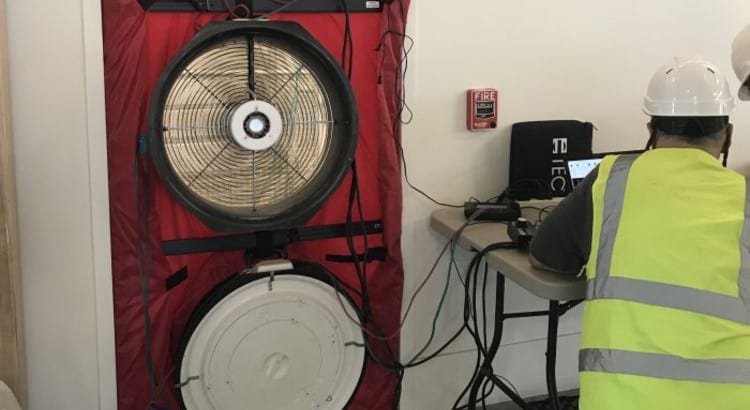
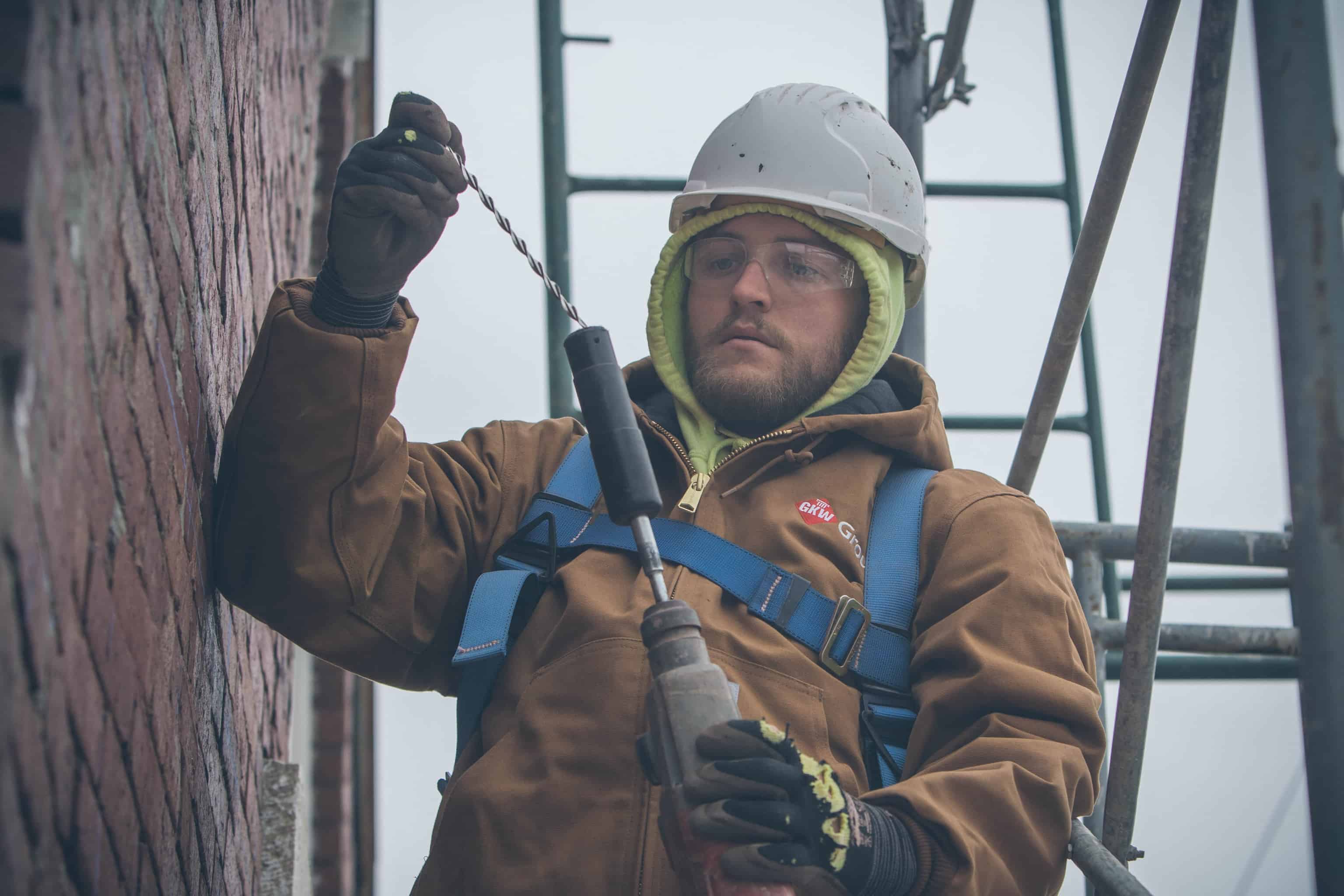
This information is typically achieved by the A/E during thorough field investigations through on-site observations, destructive openings, or material testing. The proposed retrofit anchoring system should then be validated through project-specific field testing to confirm it performs as expected.
Q6: How do you assess the condition of existing mortar joints to determine whether they can accept a restoration anchor?
A6: Drilling probe holes and getting a feel for how soft or hard a mortar joint is can provide some insight into the potential (or lack) of anchoring performance, but field testing is the only true way to get an understanding of anchor performance.
Q7: How does the unknown variable of existing cavity width affect restoration anchor selection, and how do you specify for that uncertainty?
A7: It would mainly affect the sizing or length of the anchor selected. In some cases, a longer anchor could be specified, where it is embedded deeper in cases where the cavity width is less, and where it reaches a minimum embedment depth at all conditions. Or multiple lengths of anchors could be specified.
Q8: When existing anchors have corroded or failed, what does that tell you about what type of replacement anchor to specify?
A8: If the existing anchoring system has corroded, there may be moisture infiltration issues that have caused this, which also need to be addressed. It is possible that the building is old, where it was constructed before modern masonry standards standardized corrosion-resistant anchoring materials, so it is not uncommon to encounter plain steel or lightly galvanized anchors.
After addressing the potential moisture intrusion issues, corrosion-resistant restoration anchors could be specified, such as stainless steel or brass.
Q9: How do helical anchors factor into masonry restoration specification, and when are they the right choice versus other systems?
A9: Helical anchors are one of the most cost-effective masonry restoration anchors to provide supplementary lateral connection due to their low material and labor costs for installation. Field testing should be performed to determine if they meet the engineering requirements for performance, as there are many variables that could affect the overall performance, from the condition of the existing materials to installation methods such as drill type or pilot hole diameter.
I typically recommend helical anchors as an initial solution, as they are the most cost-effective, and work my way up to other anchoring styles that are more robust if they aren’t a good fit.
Q10: What substrate conditions (spalled brick, deteriorated CMU, cracked mortar) affect whether a restoration anchor will perform as specified?
A10: The condition of the existing substrate is one of the biggest factors affecting the performance of a restoration anchor. Weakened mortar joints, moisture-related deterioration, spalled veneer or backup materials, and voids could all reduce the potential anchoring capacity.
Even if anchors have good published laboratory performance data, they may not necessarily achieve the same results on a building that has not been taken care of. This is why field testing is key to understanding the anchor’s performance, where the A/E will account for a safety factor within their design to provide redundancy and to account for any additional variability above and beyond what was observed during the investigative phase of the restoration project.
There may also be cases where the A/E determines that restoration anchoring is not a good fit due to the condition of the existing materials, where localized sections may need to be demolished and rebuilt.
Q11: How should an architect specify restoration anchors when they can't fully see or access the backup wall?
A11: Inspection openings or probe holes should be made to determine the wall makeup and condition of the materials to which they plan on anchoring. Afterwards, field testing could be performed, isolating the veneer and backup structure to determine the weakest link in the anchor’s connection to the substrates. This data could then be used to validate a proposed anchor or guide on what anchor style should be tested next.
Q12: What role does historic preservation status play in anchor selection for restoration projects? Are there restrictions on what can be specified?
A12: Historic preservation requirements can influence anchor selection, but they do not eliminate the need for a structurally sound repair. Designated historic buildings or buildings located in historic districts have preservation guidelines that may place restrictions on altering the appearance of the facade, removing original materials, or using repair methods that are visually intrusive. In some cases, the design team may need to balance structural requirements with the goal of preserving as much original material as possible.
Anchor selection may be affected by factors such as drilling locations, mortar joint compatibility, and the ability to conceal repairs. However, the selected anchoring system still needs to meet the engineering load requirements.
Coordination with preservation authorities, the owner, and the structural engineer can help identify acceptable repair approaches that meet both preservation goals and engineering performance requirements.
Q13: How do you specify anchor spacing in a restoration project when the original layout is unknown or inconsistent?
A13: The spacing will be determined based on the loading requirements of the engineer and the corresponding field testing performance of the specified anchor. The original layout of the anchors rarely matters, since, in many cases, the existing anchors are assumed to not be there during the engineer’s analysis.
Q14: What's the relationship between the anchor specification and the repointing specification in a restoration project? Do they need to be coordinated?
A14: For helical anchoring projects, PROSOCO recommends that the restoration be phased as follows:
- Grind and remove the existing mortar to the A/E’s specified depth.
- Drill the pilot holes and install the helical anchors.
- Repoint the mortar joint with the specified color-matched repair mortar.
Q15: How should the spec address the discovery of unexpected conditions during installation, such as unforeseen cavity widths, deteriorated backup walls, existing anchors in the way?
A15: If any unforeseen conditions are encountered, the contractor should work with the engineer to determine if additional solutions would be required, such as repairing a deteriorated backup wall, or if an alternative anchoring solution would be required.
Q16: What did we miss? What do you want architects to know about specifying anchors for restoration?
A16: It would be to just stress the importance of field testing for restoration anchors, as laboratory data is just laboratory data; any project could perform differently depending on the existing conditions present.