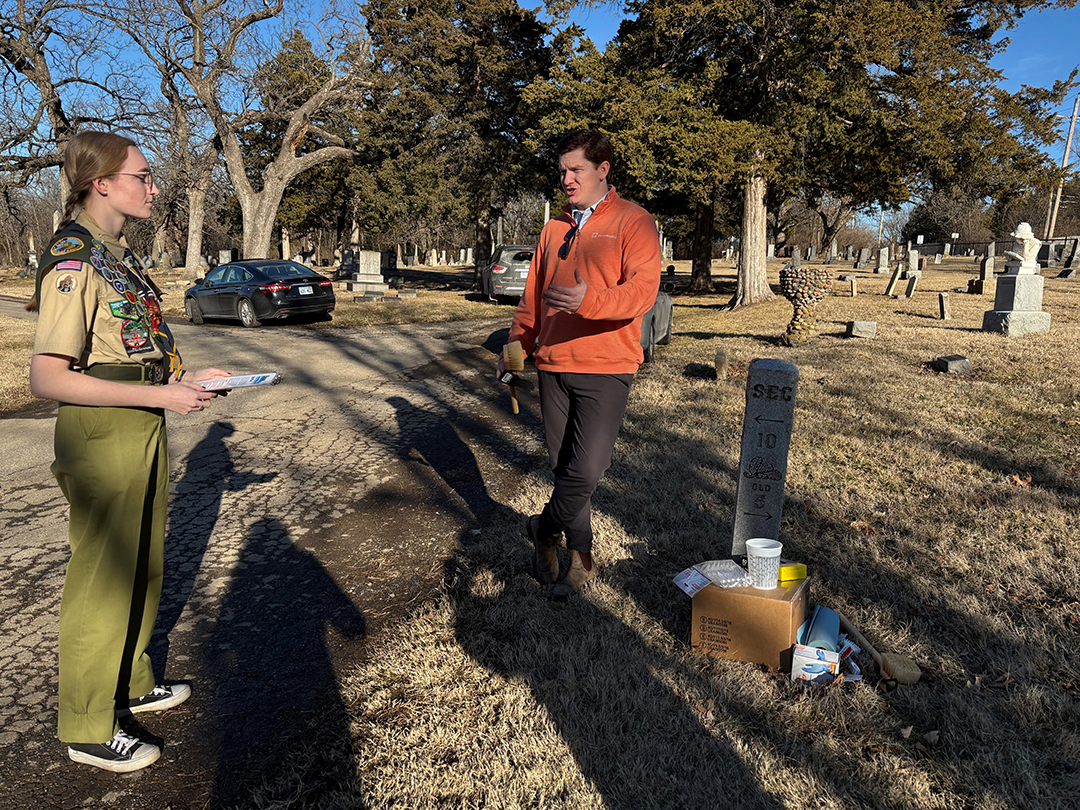
Your driveway is the one of the first things that people see when they come to your home, and it has a substantial impact on your home’s overall curb appeal. As a result, you’ve probably put a lot of thought and energy into making it look great.
However, keeping it looking great isn’t always easy because your driveway has to endure a lot of abuse. It’s a place for cars to park and drive on, after all. There’s always a risk that it might get stained or damaged one day, and knowing the risks doesn’t make it any less upsetting when it happens.
Thankfully, there are some solutions for most of the damages that driveways endure. Today, we want to talk specifically about oil stains on the driveway. Discovering an oil stain on your driveway is never fun, especially when it looks like the stain has been there a while.
However, with the right tools, chemicals, and knowledge, you don’t have to sweat that oil stain. Whether you have a poured concrete or paver driveway, we’re going to show you a surefire method for removing that stain in no time.
The Wrong Way to Remove Oil Stains From Driveways and Garage Floors
Before we get into the proven method to remove oil stains from driveways, let’s talk about some of the other approaches you might find online.
Kitty Litter
One of the most touted methods to remove oil from concrete is to pour kitty litter on top of it. Advocates say to pour the kitty litter over the stain, leave it overnight, and then sweep it up in the morning. This might work on a fresh oil stain, however it’s unlikely to have any effect on an older stain. It will also require a secondary cleaning agent or degreaser and lots of scrubbing.
The Mystery Chemicals
A quick online search will have you believing you can remove oil stains with things like paint thinner, WD-40, dishwashing detergent, oven cleaners, gasoline, and more. While these chemicals might work, they might also strip or further stain your concrete. Using chemicals for things they weren’t intended for can result in unintended consequences – especially on concrete.
The Old Wives’ Tale
There are also some long-held beliefs about how to remove oil stains from driveways. For example, many people say that a two-liter bottle of Coca-Cola poured directly on the stain will eat the stain away. However, we’re pretty sure the only thing that pouring a sugary soda on your driveway will do is to cause an unwanted ant problem!
Skip the Remedies and Go Straight for the Proven Method
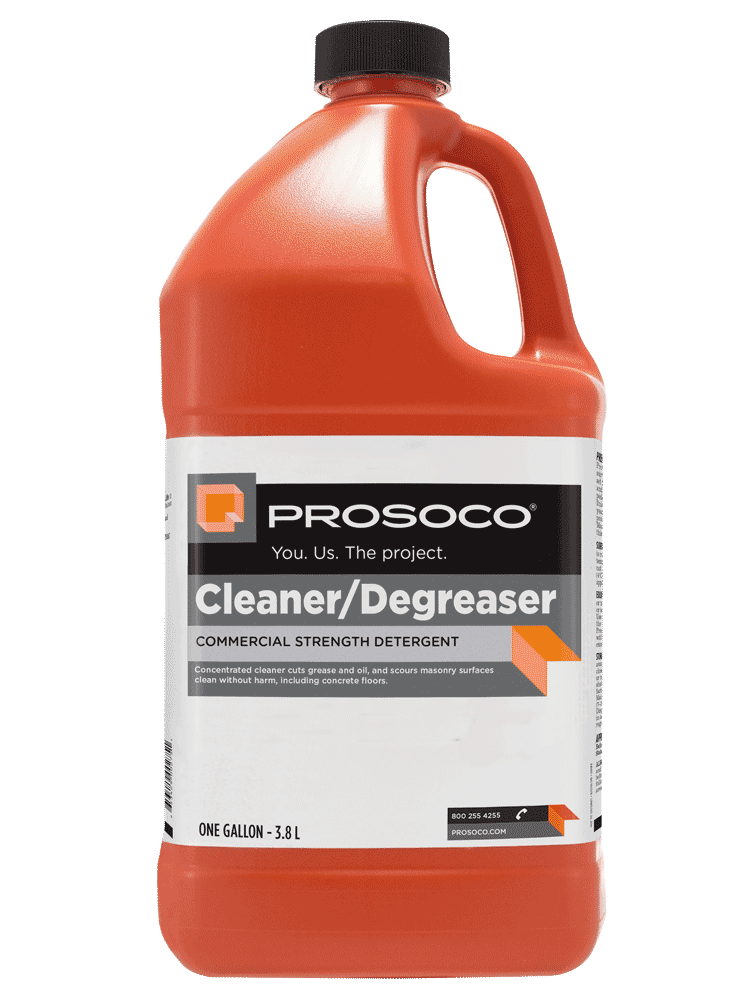
You can save yourself a lot of trouble, manual labor, and disappointment by skipping the methods described above and using a proven tactic for removing oil stains from the driveway – like going with a commercial-strength detergent specifically formulated to remove surface level oil and grease, like Prosoco Cleaner/Degreaser.
To remove surface level oil and grease
Prosoco’s Cleaner/Degreaser is an environmentally responsible choice that cuts through oil stains without using harsh acids or chemicals. You simply dilute the cleaner based on the severity of your stain and apply the solution with a brush, mop, or sprayer. Then, you let it sit for one to three minutes, then reapply, scrub, and rinse.
To remove deeper embedded oil stains
If your oil stain is older and deeper and isn’t removed with the instructions above, then you might need a stronger cleaner, like PROSOCO's Oil & Grease Stain Remover.

The steps are a bit different when you use the Oil & Grease Stain Remover, so let’s talk about those now.
A Step-By-Step for How to Remove Old Oil Stains from Driveways and Garage Floors
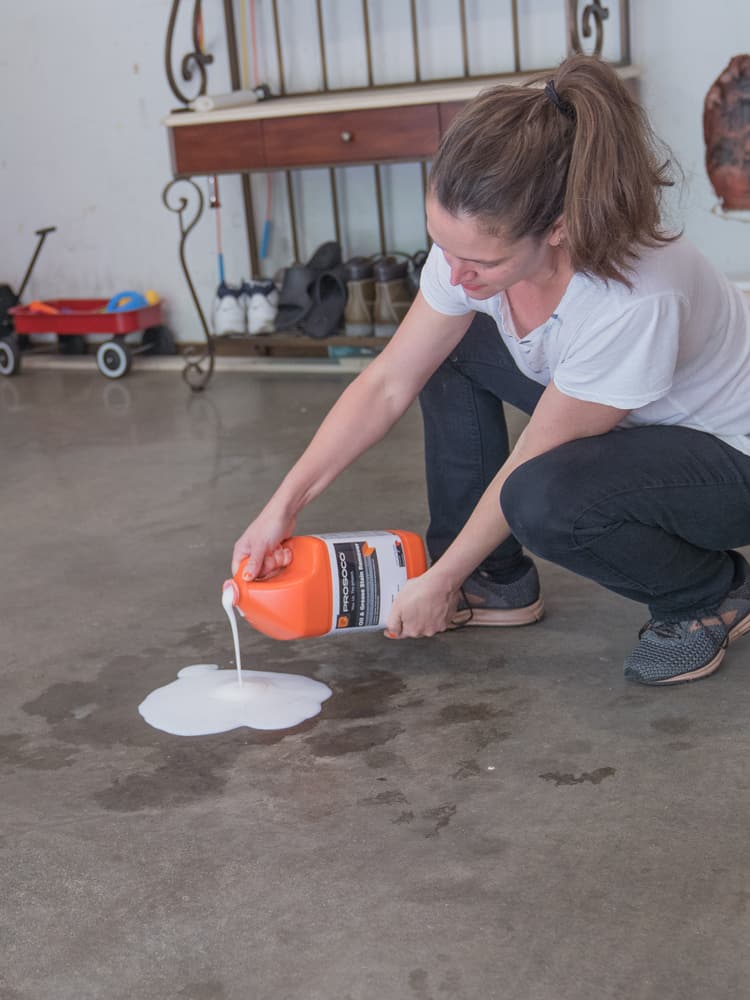
The Oil & Grease Stain Remover is specifically formulated to pull up stubborn oil and grease stains from pavers, concrete, and other porous surfaces. It’s thick like a pancake batter and doesn’t require any mixing or scrubbing.
Here’s how to use this product to remove the old oil stains from your driveway:
1. Pour Oil & Grease Stain Remover On The Stain
Tilt the bottle and pour the solution over the top of the entire grease stain. One quart should be enough to cover a stain that’s less than six square feet.
2. Let it Sit for 5-12 Hours
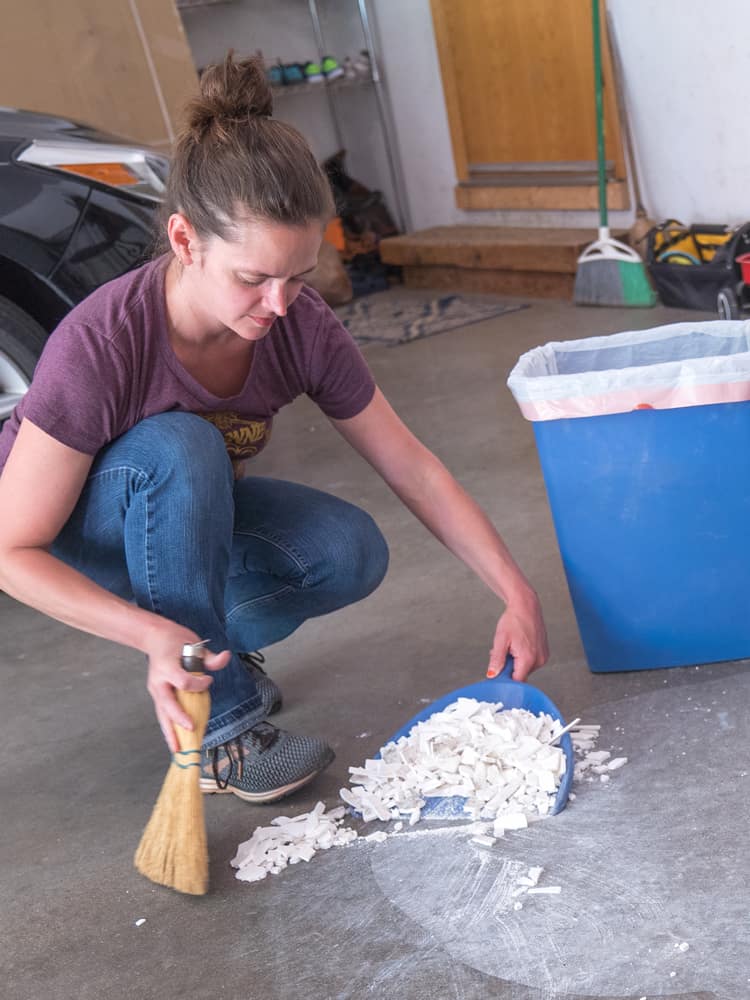
Let the product sit on top of the stain for five to twelve hours, or until the poultice has dried completely. It will start to crack, which is completely normal.
3. Remove the Material
Using a stiff-bristled brush or scraper, sweep up and remove the hardened and dry material.
4. Clean the Residue
Sweep away the pieces and use a water hose to spray off any leftover residue.
5. Repeat if Necessary
One treatment is usually enough, but you can repeat these steps if your oil stain persists.
The Straightforward Way to Remove Oil Stains from a Driveway
There you have it. An oil stain on your driveway or garage floor is no reason to panic. If you have the right solutions and tools, you can get rid of that stain in no time.
For commercial or large volume projects, Cleaner/Degreaser and Oil & Grease Stain Remover are sold through our nationwide distributor network. Find your distributor today, or call us at 1-800-255-4255, M-F, 8a-5p, CST.