When it comes to low-carbon cement, there’s one thing that’s certain: It’s always changing. Here are the key things you need to know about low-carbon cements so you can keep owners happy with your design team and get the LEED v5 credits and GWP numbers you need this year.
By Bruce Ferrell
If you work in new construction, there’s at least a 70% chance that the cement you’re dealing with (for both vertical and horizontal surfaces) is a low-carbon variety known as ASTM C595 Blended Hydraulic Cement, also called Portland Limestone Cement or Type 1L Cement.
That’s how quickly the demand for reduced carbon emissions from cradle to grave on U.S. construction projects has taken hold of the industry. Low-carbon cements have skyrocketed to the No. 1 position of U.S.-sourced cements on the market today.
Even though architects, designers, and specifiers may not carry the greatest liability when it comes to the known challenges and concerns with the performance and behavior of low-carbon cements, you can gain competitive advantages, make yourself and your firm look good, and earn repeat business by understanding these cement types and ensuring you know which type ends up on your job. Here are the top 6 things every design professional should know about low-carbon cement.
#1: When in doubt, look for the number 595.
When I first started seeing low-carbon cements show up on jobsites at the start of the decade, they were most commonly referred to as Type 1L Cement or Portland Limestone Cement (PLC). One development to come out of one of my ASTM committee meetings was to classify these cements under the broader category of ASTM C595 Blended Hydraulic Cements. That category encapsulates dozens of cement types that are mixed with raw limestone or dosed with admixtures, manmade pozzolons and other fillers like ground-granulated blast furnace slag (GGBFS) or fly ash.
The one thing I tell designers and architects to look for is 595. If that’s on your documentation, you’re working with one of the types that falls under this general category of low-carbon cements.
“Add up two or three of these changes and your cement could have a completely different personality.”
#2: You can ask for ASTM C150 cement, but you’re probably not going to get it.
Designers can put ASTM C150 in their spec, but in most cases in the U.S., the ready-mix plant will come back and say it’s not available. In a lot of specs I see, they’ll ask for ASTM C150 in case they can get it, but they’ll put ASTM C595 in there as a backup.
Some construction professionals prefer ASTM C150 cement for its known consistency, and they can still get it – if they import it from places like China, India, Turkey, or Vietnam. In most cases, an ASTM C595 cement will be your reality when the chute meets the ground at the jobsite.
(Of course, low-carbon cement will be only one part of your carbon reduction strategy if you’re on a LEED v5 project or your owner wants a certain GWP (global warming potential) number. Another development to come out of LEED v5 is a focus on steel rebar and substitutes like macrofibers.)
When it comes to ASTM C595 cements, here’s the advice I give all designers: Pay attention when the ready-mix plant turns in their submittal before you rubber-stamp it. Yes, it’s another step in your due diligence, but it’s important to know whether the mix you specified has changed at all, and if so, how.

#3: The actual cement mix design is likely to change, sometimes significantly, in between the spec and the jobsite.
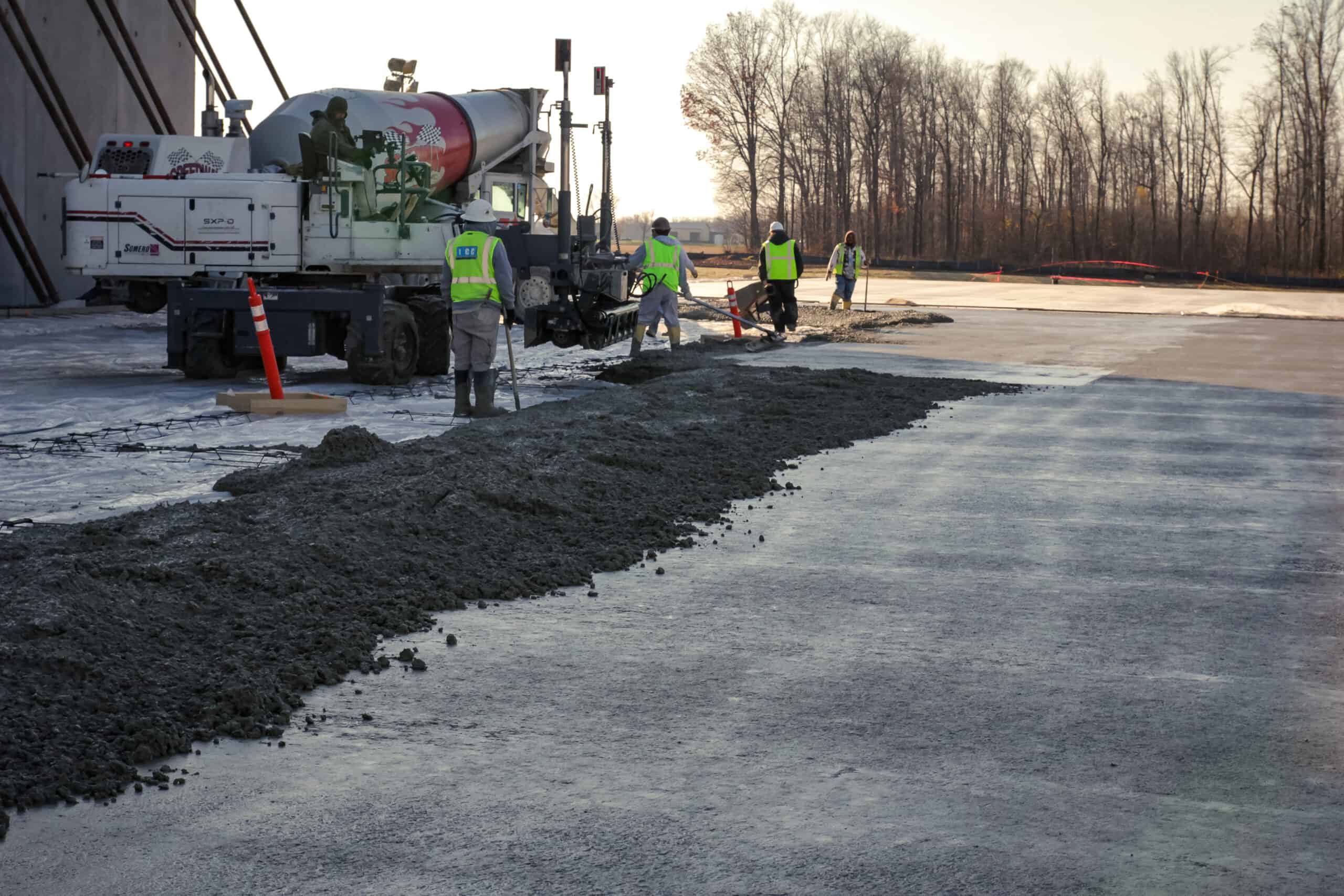
The structural engineer designs the strength of the cement, and the architect specifies it, but the ready-mix plant may supply a mix based on the available materials at the time – a mix they believe is the same thing. It may be a minor difference, a small change in the percentage of raw limestone or a substituted filler. But when you take one minor difference and add it to another minor difference that happens further downstream, you could quickly have a significant difference on your hands. That’s why it’s so important to check the submittal from the ready-mix plant, and then cross-reference it with the batch ticket and addendum sheet on site.
More changes to the mix could happen when the ready-mix plant bills the cement trucks to run the cement to the jobsite, and then again when they dose the mix in the truck with other materials on the jobsite. The general contractor may ask the applicator to dose the cement to accommodate environmental conditions on the jobsite, as one example.
Add up two or three of these changes and your cement could have a completely different personality. Make sure to check the batch ticket and any addendum sheets (which are not always easy to find) to determine what was added at the jobsite. Sometimes, the architect or structural engineer can tell it’s not their mix design, but they don’t know how much has been modified, or with what.
Adding this step to your due diligence is inexpensive insurance to catch a problem before it gets too far along. It’s better to be proactive and explain it to the owners upfront instead of at the end.
#4: The type and percentage of fillers in your mix design can vary, almost infinitely.
For starters, consider the types of cements that fall under the ASTM C595 category, including but not limited to: Type 1L, Type 1P, Type 1S, Type 1T, Type 1C, and Type LS3. The differences in these types are based on the percentages of supplementary cementitious materials (SCMs) they contain. The type of low-carbon cement you specify will reflect the owner’s green building goals, whether it’s LEED v5, net-zero-energy, lifecycle carbon emissions, a certain GWP number, Passive House, etc., or a combination of those.
Then, there are the materials being added to Portland cement and raw limestone to complete a low-carbon mix design. That could include blast slag (GGBFS), fly ash, manmade pozzolans, calcinated clays and other materials. The sources of these fillers are vast and always changing, especially as the CO2 emissions thresholds get lower. The latest idea I’ve seen as an ingredient in cement brick and block mortar is ground-up wind turbine blades, which are a composite of fiberglass, epoxies and plastic resins. Considering the array of filler types, as well as the different percentages in the mix designs targeting certain carbon emissions metrics, the variables are endless.
#5: The problems associated with low-carbon cements are well-documented.
Today, many construction professionals remain unaware that there’s been any change at all to their cement mixes. That’s why I’ve been called out to so many jobsites to help troubleshoot why they’re seeing the cement behave in surprising ways they’ve never seen before.
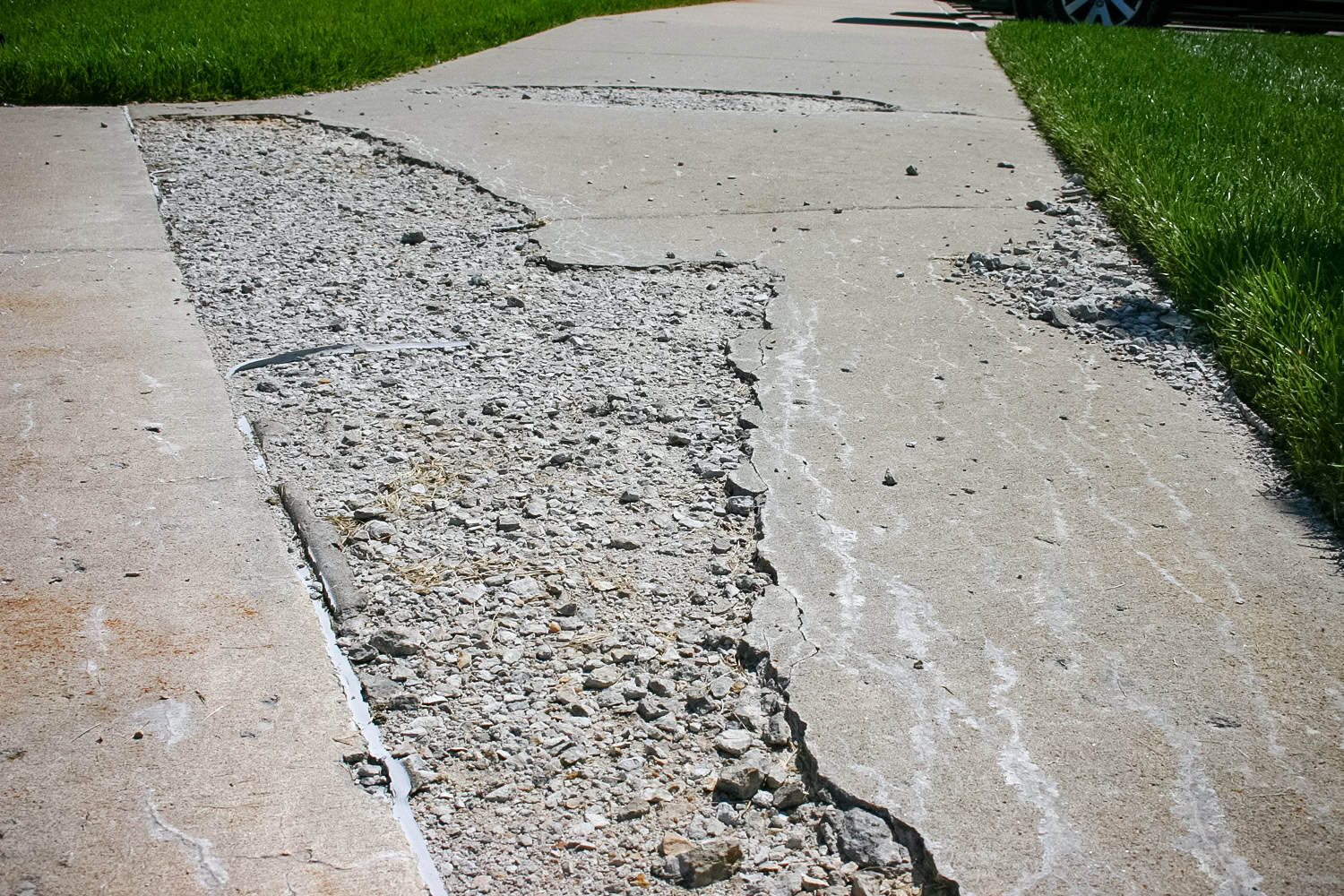
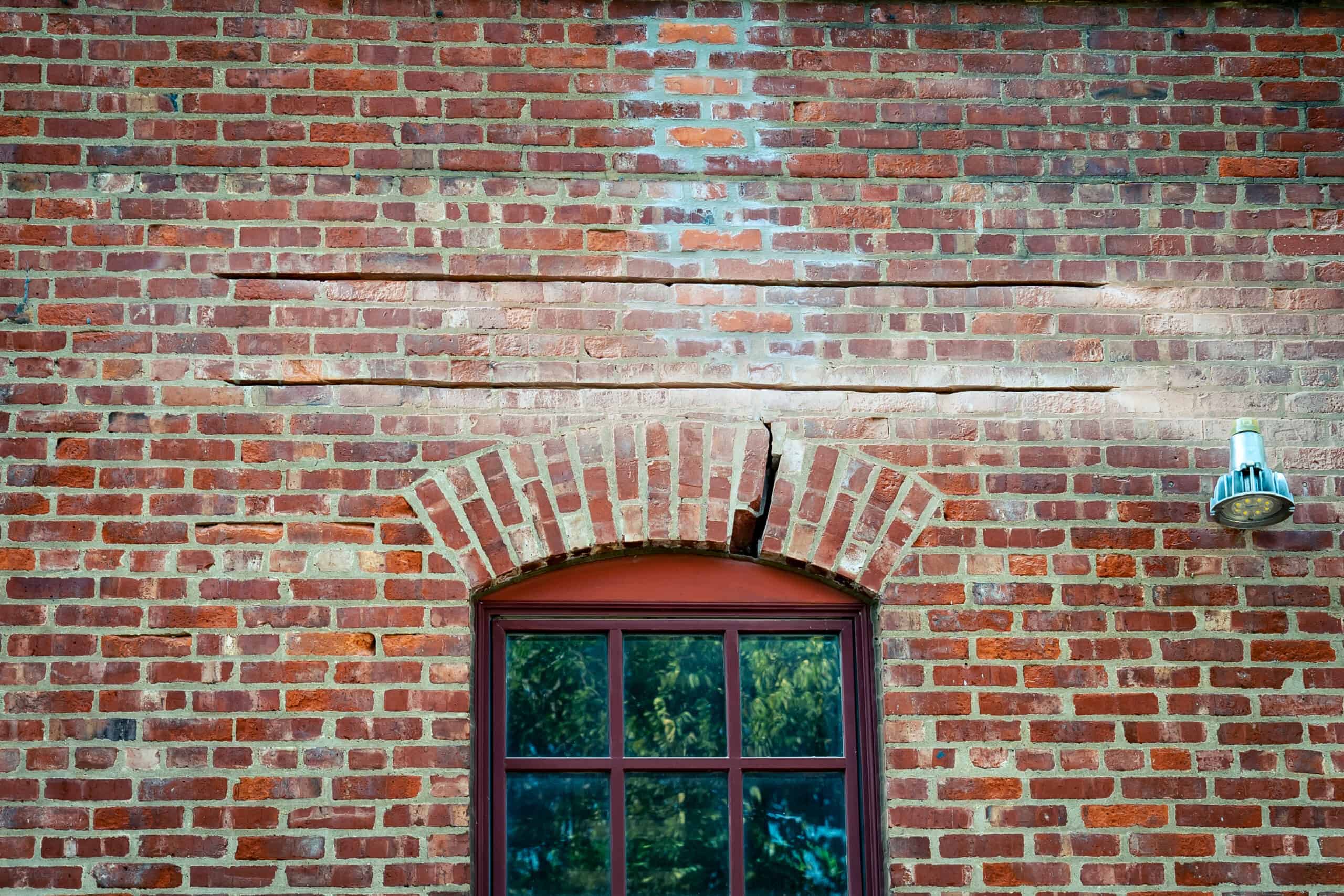
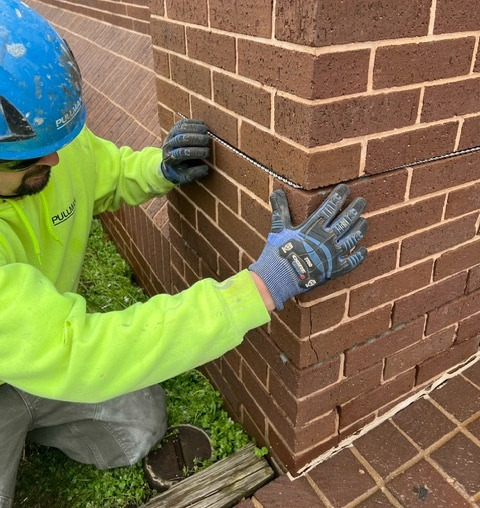
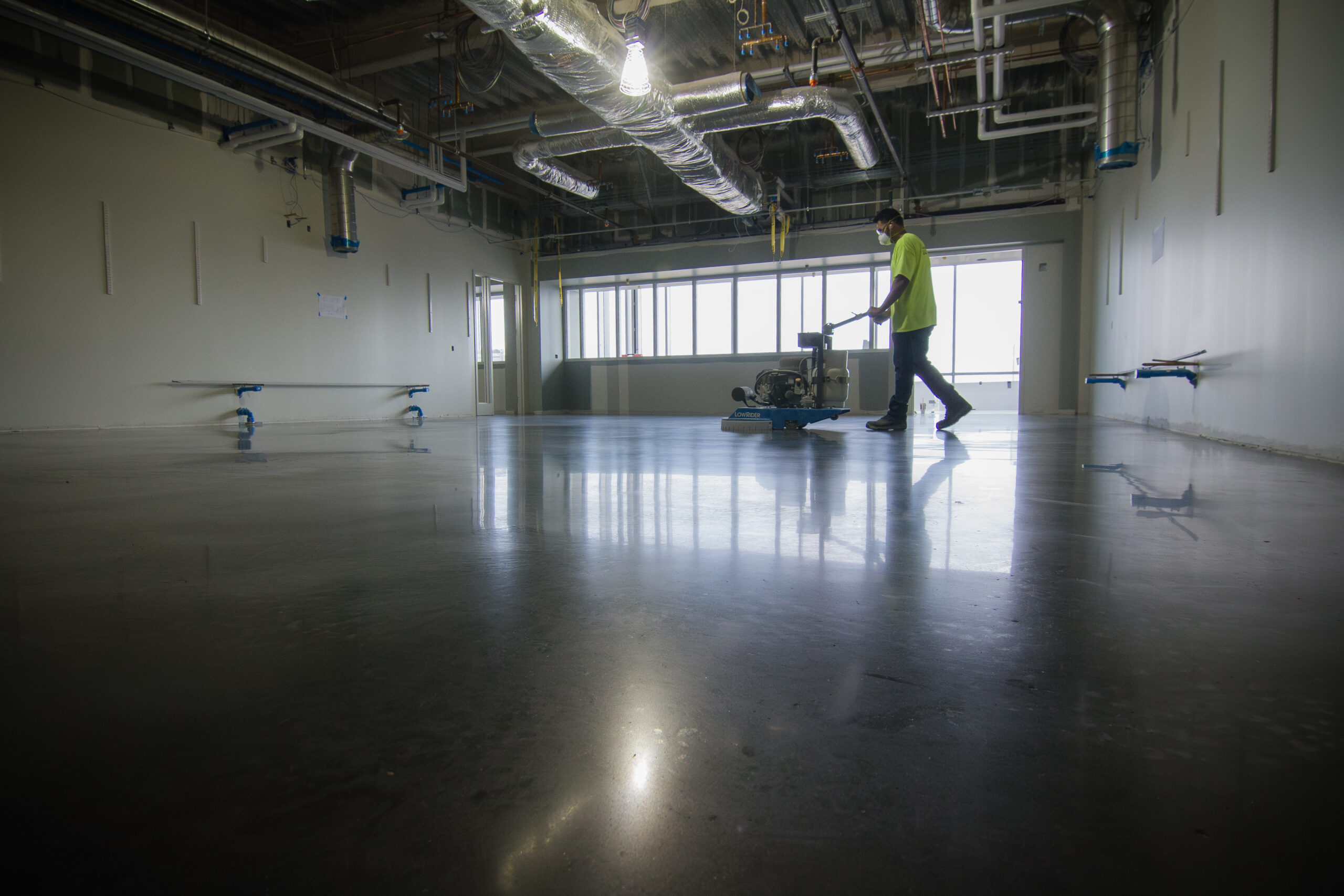
The makeup of low-carbon cements means they perform and behave differently from cements we were accustomed to just a decade ago. These differences are affecting all sorts of performance and quality factors, including floor-flatness (FF) and floor-levelness (FL); consistent and uniform color; potential for delamination; porosity; absorption of chemicals; stain repellency; water repellency; hardness; and more. As just one example, coverage rates of water repellents applied to a low-carbon concrete floor are significantly lower. These floors just absorb more inputs. And that’s just the floors! Low-carbon cement is also going into CMU and mortars, meaning vertical surfaces are performing in surprisingly different ways as well.
If you want to see the most common problems associated with low-carbon cements, sign up for my lunch-and-learn presentation on this topic.
#6: Arm yourself with knowledge to keep owners happy.
I don’t mean to sound like an alarmist, but a big blind spot remains in the industry’s awareness of the behavior and performance characteristics of low-carbon cements. Your next project with low-carbon cement could go perfectly! Or, maybe there’s just a slight hiccup like a delaminated floor that needs to be patched up. A patch on a new floor that’s purely aesthetic in nature could be a minor blip – but, then again, sometimes it’s the minor stuff that really gets under the owner’s skin.
The important thing for designers is to equip themselves with knowledge so that they can manage the owner’s expectations upfront, not at the end when there’s a problem and everyone’s looking for someone to blame.
Many of us know from experience that a happy owner is a tough ask. But, armed with the right knowledge, the diligence to pursue accurate and thorough information, and the ability to manage expectations, maybe you can get an owner who’s not unhappy. Wouldn’t that be great?

How can we help?
This is the 10,000-foot view of what designers need to know about low-carbon cements. We’re happy to go deeper with you on this topic if you want personalized advice based on the cements available in your region, green building goals and certifications, and any other challenges and requirements specific to your project .
Read this article in Green Building & Design