
Oil can soak below the surface of patio, driveway, or walkway pavers before the spill is cleaned up. A degreaser may remove oil near the surface, but a dark mark that remains after cleaning and drying often indicates embedded contamination. The best way to remove oil stains from pavers is to match the cleaning method to the depth of the stain.
Why Oil Stains Penetrate Porous Pavers
Concrete, brick, and many stone pavers contain pores that can absorb liquid. Motor oil, cooking grease, and other contaminants can enter those openings and leave discoloration below the exposed surface.
Surface cleaning may lighten the mark by removing oil films and residue. Once oil has soaked deeper, surface cleaning alone may not pull it back out.
A compatible oil-repellent treatment may slow absorption, but spills still need prompt cleanup. Confirm that the cleaner is compatible with the paver material, finish, and existing protective treatment before treating a large area.
How to Tell Whether an Oil Stain Is Surface-Level or Embedded
Stain age offers a clue, but the paver’s condition after cleaning and drying provides a better test. A recent spill can penetrate quickly into an untreated paver. An older stain may remain closer to the surface when the pavers still have an intact oil-repellent treatment.
To remove oil stains from pavers efficiently, check the stain after surface cleaning and complete drying.
- Free oil or a greasy film remains on the surface. Absorb the excess before applying a cleaner.
- The stain becomes lighter after degreasing. The contamination may still be concentrated near the surface.
- A dark shadow remains after the paver dries. Wet pavers can conceal the result, so evaluate the stain only after complete drying.
- Repeated surface cleaning produces little improvement. A poultice cleaner may be the appropriate next step.
Cleaner/Degreaser can remove grease from pavers and address oil films that remain near the surface, while Oil & Grease Stain Remover targets contamination left deeper within porous masonry.
How to Remove Surface Oil Stains From Pavers
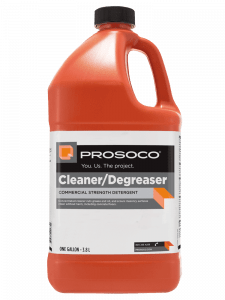
Removing oil from pavers starts with absorbing a fresh spill before more oil has time to soak into the material.
- Absorb the excess oil. Blot or cover the spill with a suitable absorbent material. Avoid rubbing oil into nearby joints or clean pavers.
- Protect the surrounding area. Move vehicles and protect people, landscaping, property, and surfaces from splashes, residue, fumes, and wind drift.
- Test a small area. Apply the cleaner to an inconspicuous section and inspect the test area after it dries.
- Check the conditions. Best results occur when air and surface temperatures are 50°F or higher. Cleaning concrete pavers below freezing or before overnight freezing may damage the concrete, so let frozen surfaces thaw before cleaning.
- Dilute the cleaner. Use one part Cleaner/Degreaser to four parts fresh water for heavy oil and grease. Light oil and grease films may allow dilution up to one part cleaner to 50 parts water. Follow the Product Data Sheet and test for the highest dilution that produces effective results.
- Apply the solution to dry pavers. Do not pre-wet the surface. Use a cleaning brush, mop, low-pressure sprayer, automatic scrubbing machine, or approved pressure-washing equipment.
- Let the cleaner dwell for one to three minutes. Reapply the solution before scrubbing.
- Reapply, scrub, and rinse. Agitate the stain vigorously, then rinse away all residue. When pressure-rinsing porous concrete pavers, PROSOCO recommends 400 to 1,000 psi with a flow rate of six to eight gallons per minute.
- Let the pavers dry completely. Remaining discoloration may indicate embedded oil.
Household degreasers or dish soap may help clean oil off pavers after a fresh spill. Test compatibility first because these products vary, and they are unlikely to extract oil that has soaked below the surface.
Homeowners dealing with automotive leaks may also find the related guidance on removing oil stains from a driveway useful.
How to Remove Old Oil Stains From Pavers
A stain that remains after degreasing and drying may indicate oil below the surface.
To remove oil stains from pavers at that depth, apply Oil & Grease Stain Remover after the surface residue is gone. The poultice draws absorbed oil toward the surface as it dries.
Test a small area and allow it to dry before treating the full stain. Apply the product when air and surface temperatures are 50°F or higher, and let frozen substrates thaw first.
- Allow the pavers to dry. The remaining stain should be visible before the poultice is applied.
- Shake the container well before pouring.
- Pour the product over the stain. Oil & Grease Stain Remover has a pancake-batter-like consistency and does not require mixing or troweling.
- Extend the application past the stain. Cover at least one inch beyond the visible edge.
- Protect the treatment from rain and traffic. A raised plastic tent can shield the area without touching the wet material or blocking airflow.
- Wait for the poultice to dry completely. Drying normally takes five to eight hours. Protected applications may remain in place overnight.
- Look for a developed crack pattern. Cracking is normal and indicates drying.
- Sweep up the dried material. Use a broom or stiff-bristled brush and dustpan.
- Rinse away remaining powder. Use a hose or approved pressure-rinsing equipment, then follow the Product Data Sheet for disposal and cleanup instructions.
- Evaluate the dry paver. Deeply absorbed oil may rise back to the surface after the first treatment. Reapply the product when discoloration remains or returns.
The demonstration follows the poultice from application through drying and removal.
Typical coverage is approximately two to three square feet per quart or eight to twelve square feet per gallon.
When to Clean, Dry, and Reseal Pavers
Do not apply a sealer or protective treatment while visible oil remains. Oil and grease left on the surface can compromise the treatment’s penetration and performance.
Allow the pavers to dry completely after the final cleaning. Follow the selected sealer’s instructions for surface preparation, moisture conditions, weather, and cure time. Compatibility may vary among concrete pavers, brick pavers, natural stone, and previously treated surfaces.
Blot future spills quickly to limit how much oil enters the paver. Drip pans or protective mats can reduce repeated motor-oil contamination beneath parked vehicles or outdoor equipment.
Common Mistakes When Cleaning Oil From Pavers
To remove oil stains from pavers without damaging the surface, avoid these common errors:
- Choosing a cleaner without assessing the stain. A degreaser and a poultice serve different purposes.
- Relying on pressure washing alone. Pressure rinsing can remove loosened residue, but it cannot replace a poultice when oil remains below the surface.
- Using untested household chemicals. Acids, solvents, bleach, and other products may discolor some pavers, strip protective treatments, or damage nearby materials.
- Judging the result while the paver is wet. Moisture can temporarily darken the surface and conceal the remaining stain.
- Sealing before cleaning is complete. Oil left on the surface can interfere with the protective treatment’s penetration and performance.
- Expecting one treatment to solve every stain. Deep contamination may require repeated poultice applications.
Get Help Choosing the Right Cleaning Product
Oil stains can penetrate pavers at different depths, and the correct treatment depends on the surface and stain condition. PROSOCO can help you select a compatible cleaner and confirm the application requirements for your pavers. Contact us today for more information.
Frequently Asked Questions
Oil-stain cleanup often raises questions about pressure washing, poultices, and resealing.
Can Old Oil Stains Be Removed From Pavers?
Many old stains can be reduced or removed, but results depend on the paver material, stain depth, previous treatments, and the amount of oil present. Embedded contamination may require more than one poultice application.
Will Pressure Washing Remove Oil Stains From Pavers?
Pressure washing may help rinse loosened surface residue when the cleaner’s instructions allow it. It usually cannot replace a poultice when oil remains below the surface.
Can Dish Soap Remove Oil From Pavers?
Dish soap may help with a small, fresh surface spill. It is less likely to remove oil that has penetrated a porous paver.
How Do I Know When a Poultice Cleaner Is Needed?
Use a poultice when a dark mark remains after surface cleaning and complete drying. Persistent discoloration may indicate that oil is still held within the paver.
Can Pavers Be Sealed After an Oil Stain Is Removed?
Yes. Remove the stain as completely as possible, let the pavers dry, and follow the sealer manufacturer’s surface-preparation instructions.