PROSOCO announces EPDs for five concrete densifiers

graphic by Andy Harrington

It just got easier for sustainability professionals to meet LEED v5, GWP targets, and optimization credits when selecting concrete densifiers for their projects.

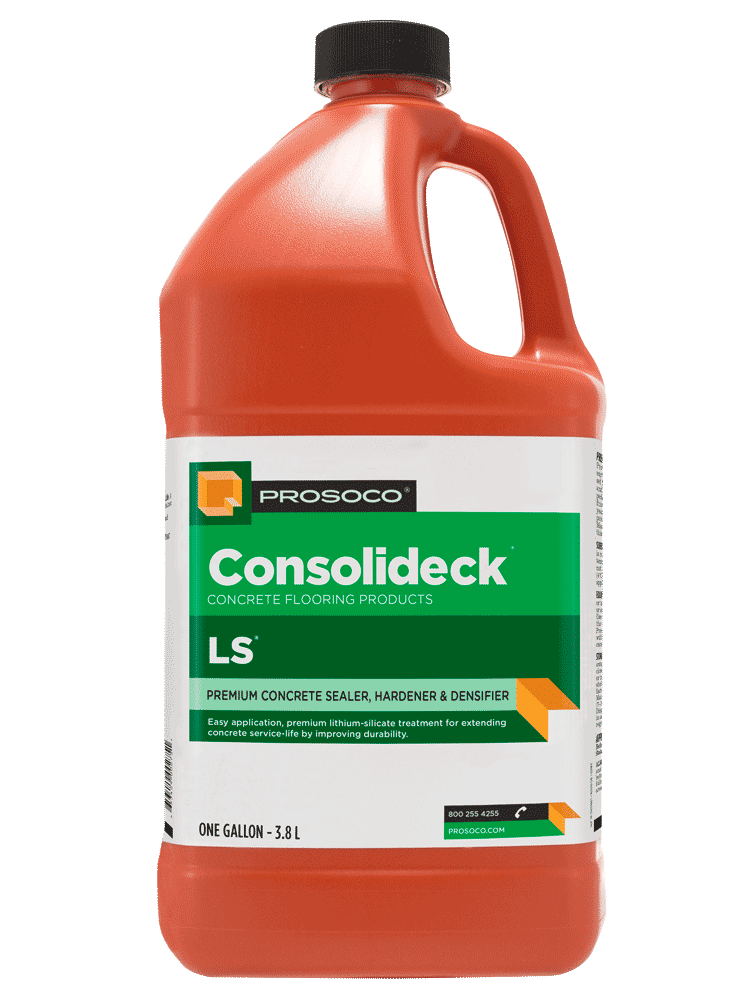
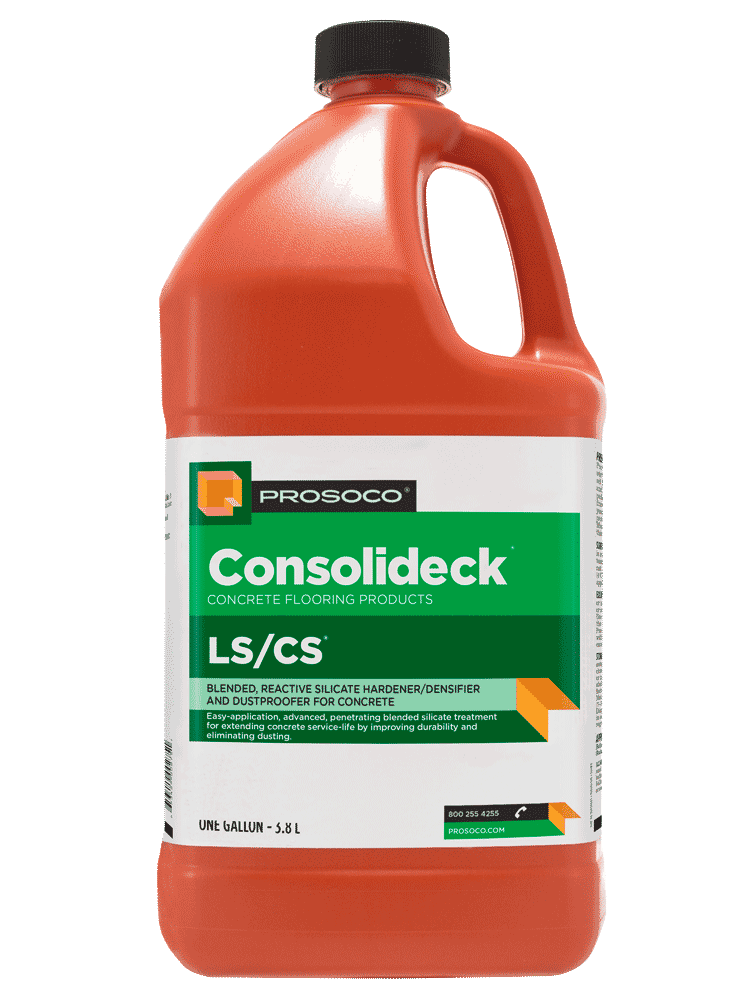
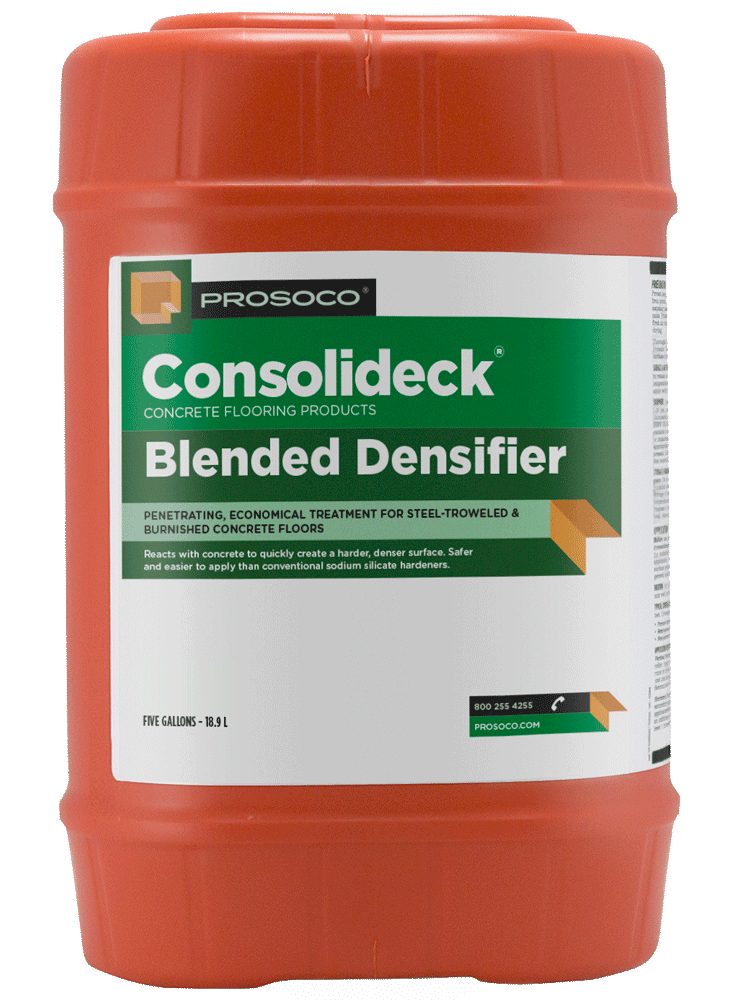
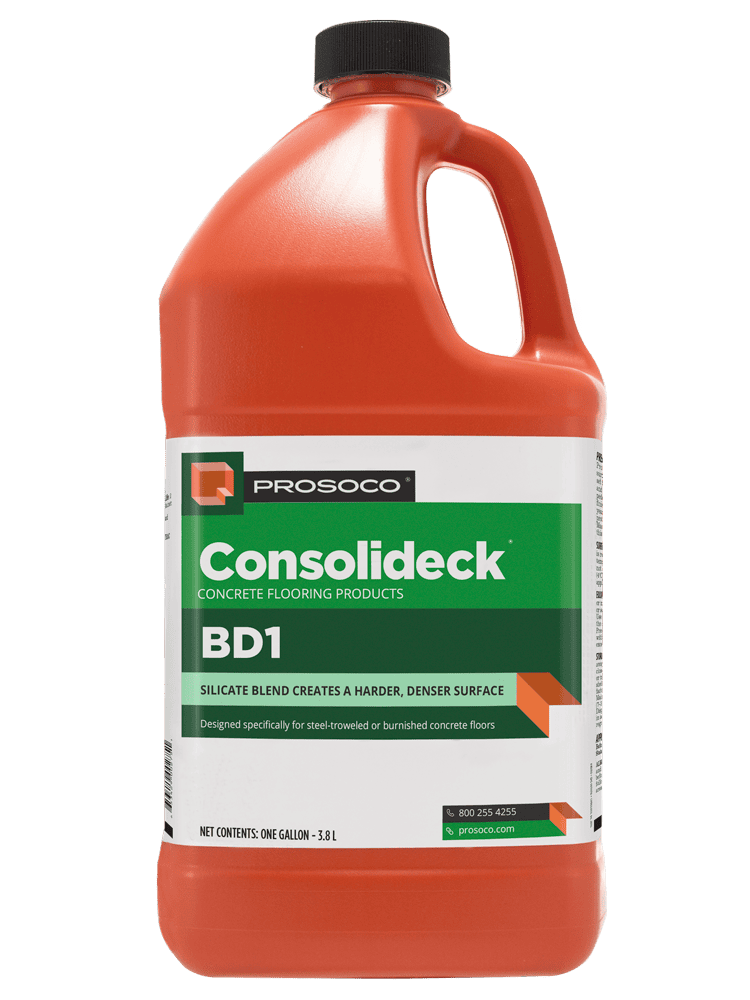
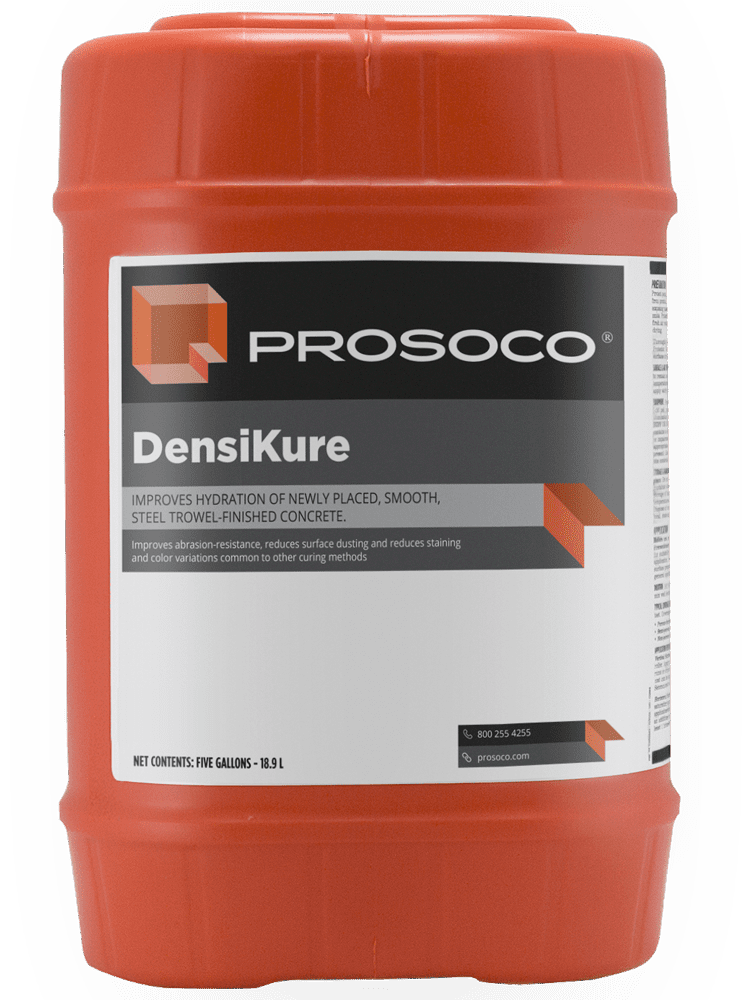
PROSOCO is proud to announce Environmental Product Declarations (EPDs) for all five of its concrete densifiers: LS, LS/CS, Blended Densifier, BD1, and DensiKure.

The product-specific, cradle-to-gate EPDs are issued by TrueNorth Collective and independently verified, published and operated by Smart EPD.

Alex Boyer, PROSOCO’s New Business Development and Sustainability Specialist, said that though the decision to pursue EPDs has been years in the making, the achievement became a priority due to the evolving demands of the green building design community and recent updates to green building standards like LEED v5.

Here are our EPDs:

“These new EPDs reflect PROSOCO’s continued commitment to environmental transparency and responsible product development,” Boyer said. “By providing verified environmental data, we’re helping project teams make more informed decisions while supporting evolving sustainability expectations across the built environment.”

Those professionals could include anyone who is working toward LEED or WELL, looking for optimization credits for materials, or calculating full-building life cycle assessments or carbon footprints.

“In addition to helping project teams, EPDs are also invaluable as a resource for manufacturers like PROSOCO,” Boyer added. “The exercise of generating these documents helps us better understand the impact of our products and practices on the environment and identifies opportunities for improvement in sustainability.”

Paired with these densifiers’ compliance with ASTM F150 (Standard Test Method for Electrical Resistance of Conductive and Static Dissipative Resilient Flooring), the new EPDs mean that all of PROSOCO’s densifiers are data-center-ready and LEED-ready.

SUSTAINABILITY CONTACT:

Alex Boyer, alex.boyer@prosoco.com
chevron-logo

chevron-logo

low-carbon cements are affecting jobsites nationwide

Concrete Flooring

Top 6 Things Designers Need to Know About Low-Carbon Cement

When it comes to low-carbon cement, there's one thing that's certain: It's always changing. Here are the key things you need to know about low-carbon cements so you can keep owners happy with your design team and get the LEED v5 credits and GWP numbers you need this year. By[…]

Hard Surface Care

Applying a water repellent with a drone

Last year, Jake Boyer told me that one big trend for masonry cleaning in 2025 would be applications performed via drone. That has definitely been the case as we've seen this emerging technology become more commonplace for cleanings. What we haven't seen yet this year, until now, is an application[…]

The Rambler is protected by several R-Guard products

Air & Water Barriers

The Rambler takes center stage

Highly accoladed and weather-protected Pacific Northwest home will be featured in upcoming TV series. A residential project in the Pacific Northwest that's been highly lauded by the design community will soon be showcased on a much larger stage - a national TV show and streaming platforms. The Rambler, winner of[…]

Air & Water Barriers

Air-sealing the world’s largest affordable Passive House

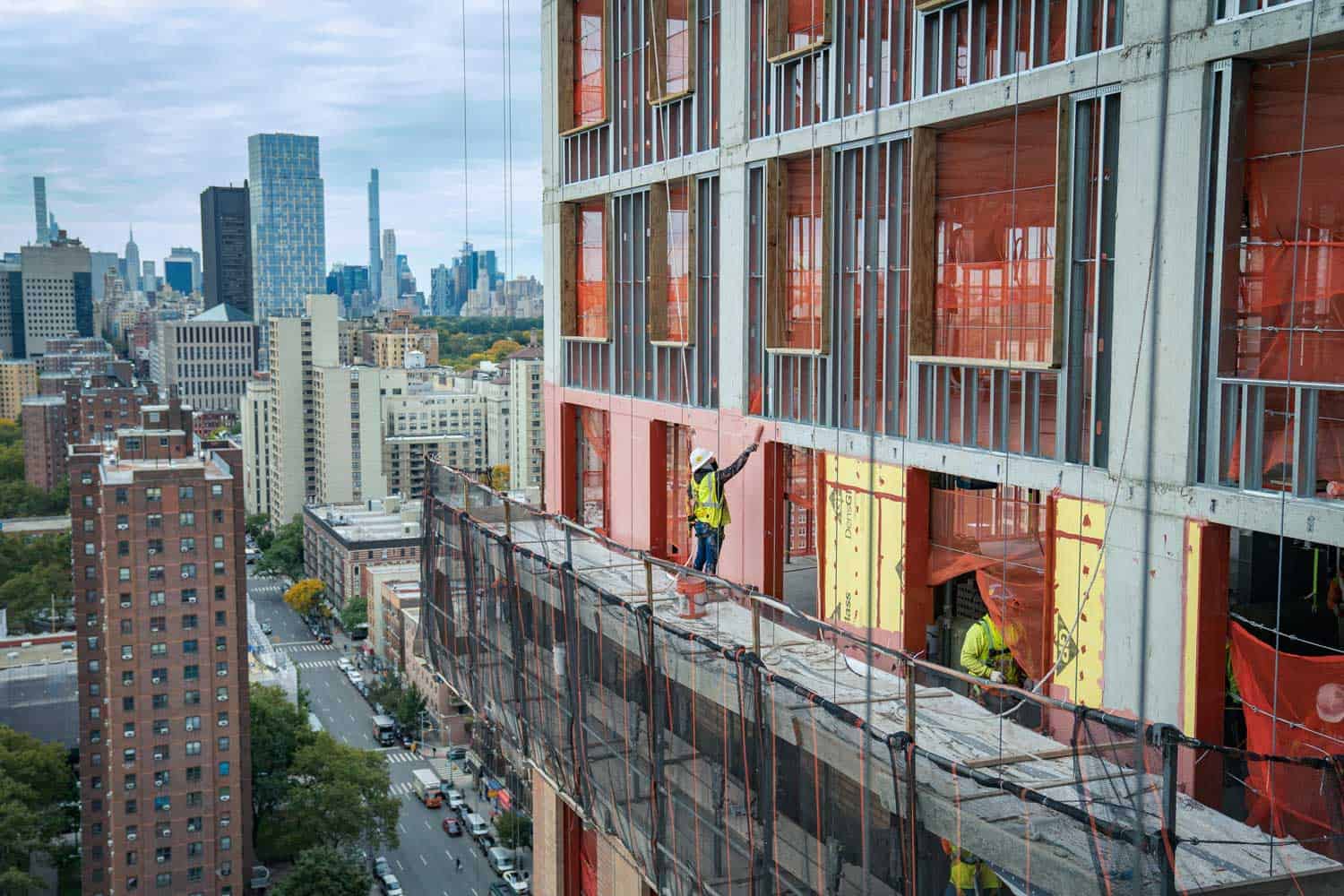
A project with 34 stories and a goal of Passive House certification has to pay special attention to air-sealing their building envelope in order to hit the PH air-tightness target of 0.6 ACH50. We recently got to take a look inside the in-progress construction of Sendero Verde's tower, dubbed Sendero[…]

The Kendeda Building is the first Living Building in the U.S. Southeast

Green building

“Proof positive” at Georgia Tech’s Living Building – Kendeda

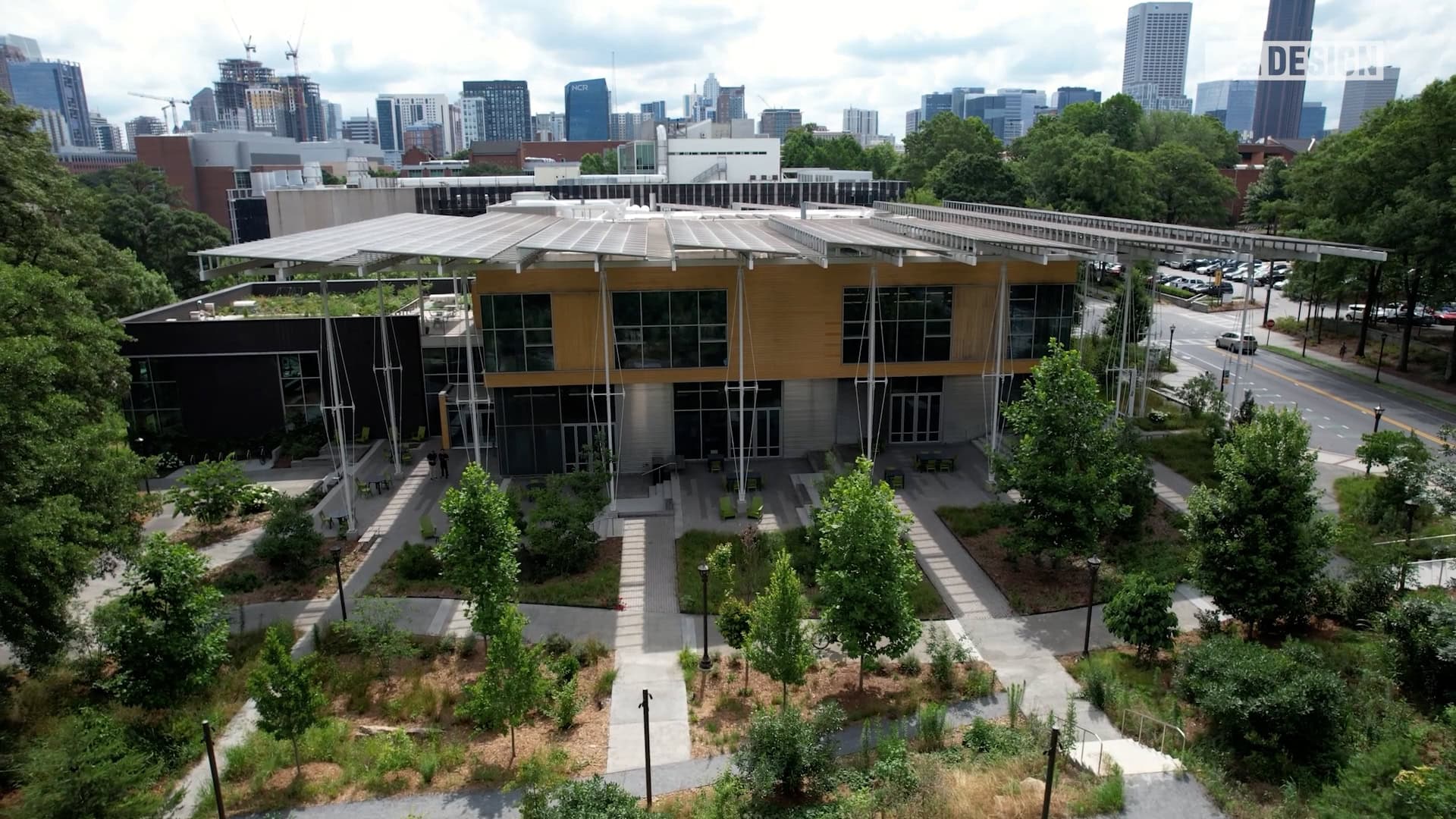
*UPDATE:* You can watch the full episode on-demand here!  The Kendeda Building at Georgia Tech, a beacon of sustainable design and materials and a certified Living Building, will be showcased on an upcoming episode of America By Design on CBS News, at 9 pm EDT on Saturday, Nov. 15, on[…]

crack-stitching a cracked brick wall in Washington, D.C.

Anchor Systems

Crack-stitching saved this post office wall in DC

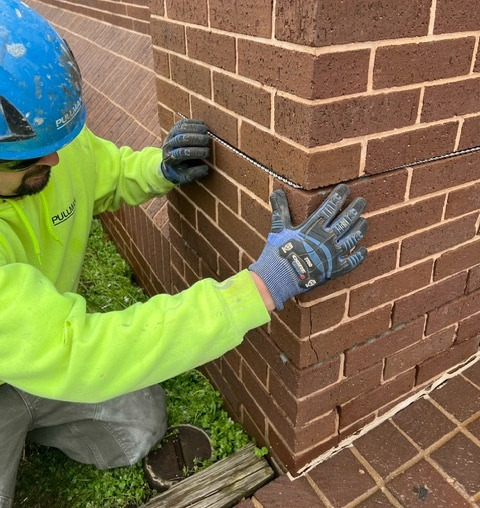
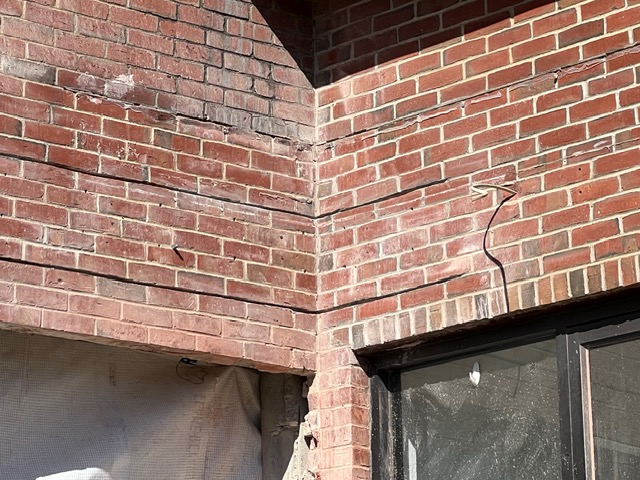
Cracks happen. Some more severe, some less. Some are stairstep, some are vertical. Either way, cracks in brick can lead to major structural problems and concerns of life safety.  Crack-stitching solves it.  At this post office in Washington, D.C., crews for Pullman Services recently used PROSOCO Stitch-Ties to perform a[…]

helical beaming job

Anchor Systems

Creative problem-solving on a Helical Masonry Beaming job

Any one of our Anchoring Specialists in the field on any given anchoring project will always say you need 20 inches of wall on each side of an opening in order for helical beaming (also known as helical masonry beaming) to work.  On a recent job with John Montecalvo, one[…]