By Ken Rathbun, Director of Product Strategy for PROSOCO's Clean & Protect Group
Anyone who’s spending time around CMU jobs today can see the shift. Concrete masonry isn’t just the backup wall; it is the finish on more pr ojects. Thanks in part to the CMU check‑off program and a broader focus on design and education, architects and owners are looking at block differently. And when CMU is the final surface, everything that happens during construction becomes more visible.
That change doesn’t mean CMU is harder to work with. It just means we must be more intentional. The same fundamentals still apply—using quality materials, ensuring skilled workmanship, and following proper sequencing—are especially important when the wall you build is the one everyone will see.
More Finish Options
One of the biggest changes showing up on jobsites is the variety of block finishes being specified. Integrally colored units, burnished block, split‑face textures, ground‑face CMU—these finishes all bring a different look and feel.
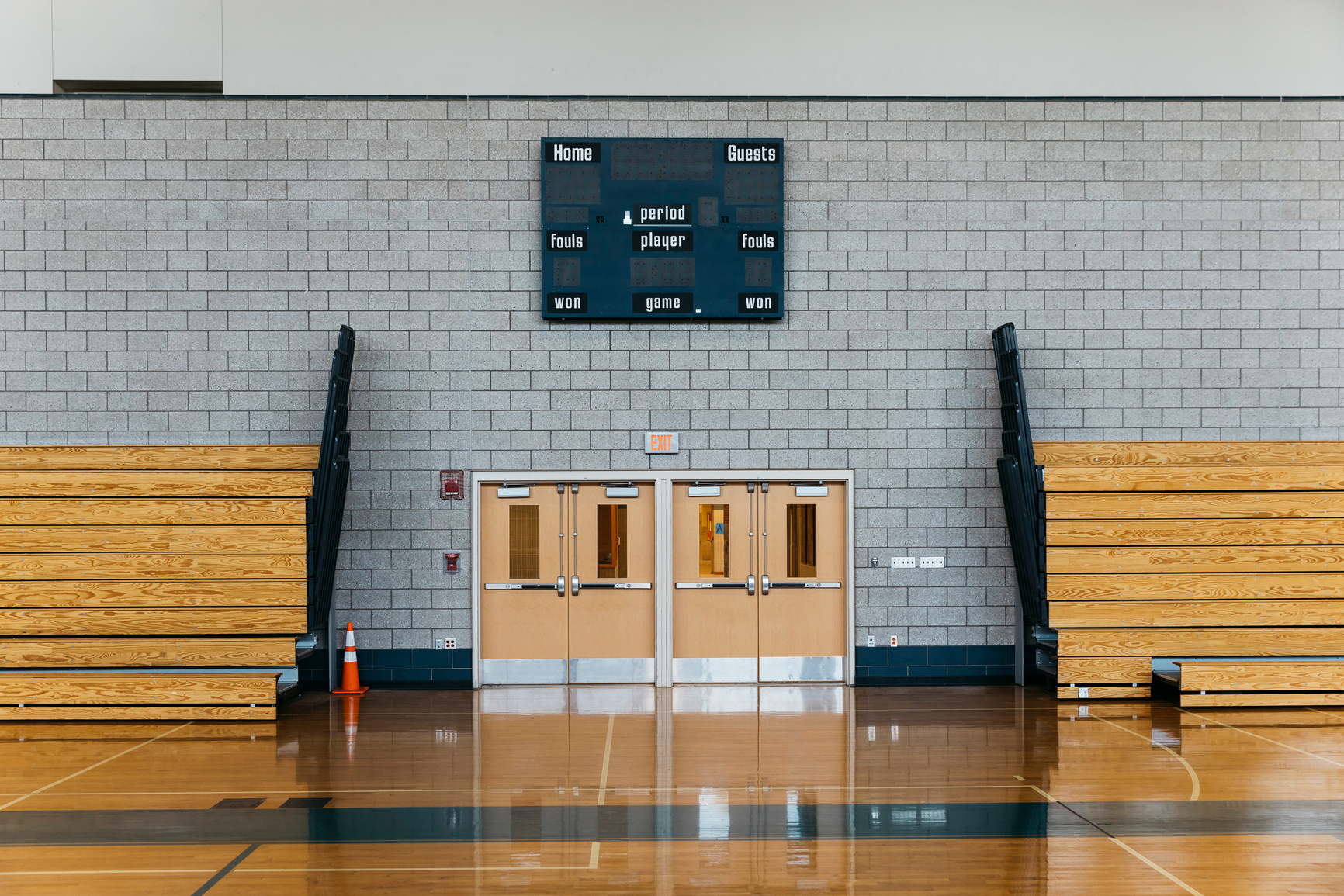
What’s important to understand is that they don’t all behave the same way during construction or cleanup. Some finishes are denser and show variation more easily. Others have texture that can hold onto mortar residue. None of that is a flaw—it’s just the nature of the material.
From the field perspective, the takeaway is simple: cleaning has to match the block. A method that works fine on a traditional gray block wall may give uneven results on a burnished or integrally colored unit. Knowing the finish, knowing what you’re trying to remove, and testing before you commit across the whole building goes a long way toward avoiding issues later.
Mortar Matters More Than You Might Think
Mortar plays a bigger role than most people realize. Higher-cement or lighter-colored mortars can leave more visible residue if cleaning isn’t timed right. Mortar joints respond differently to cleaning than the face of the block, which is why test panels matter more than ever.
Test panels aren’t just a box to check anymore. They help everyone—masons, general contractors, designers, and owners—see what’s realistic. They allow you to dial in cleaning approach, dilution, dwell time, and pressure before it’s done on the entire structure.
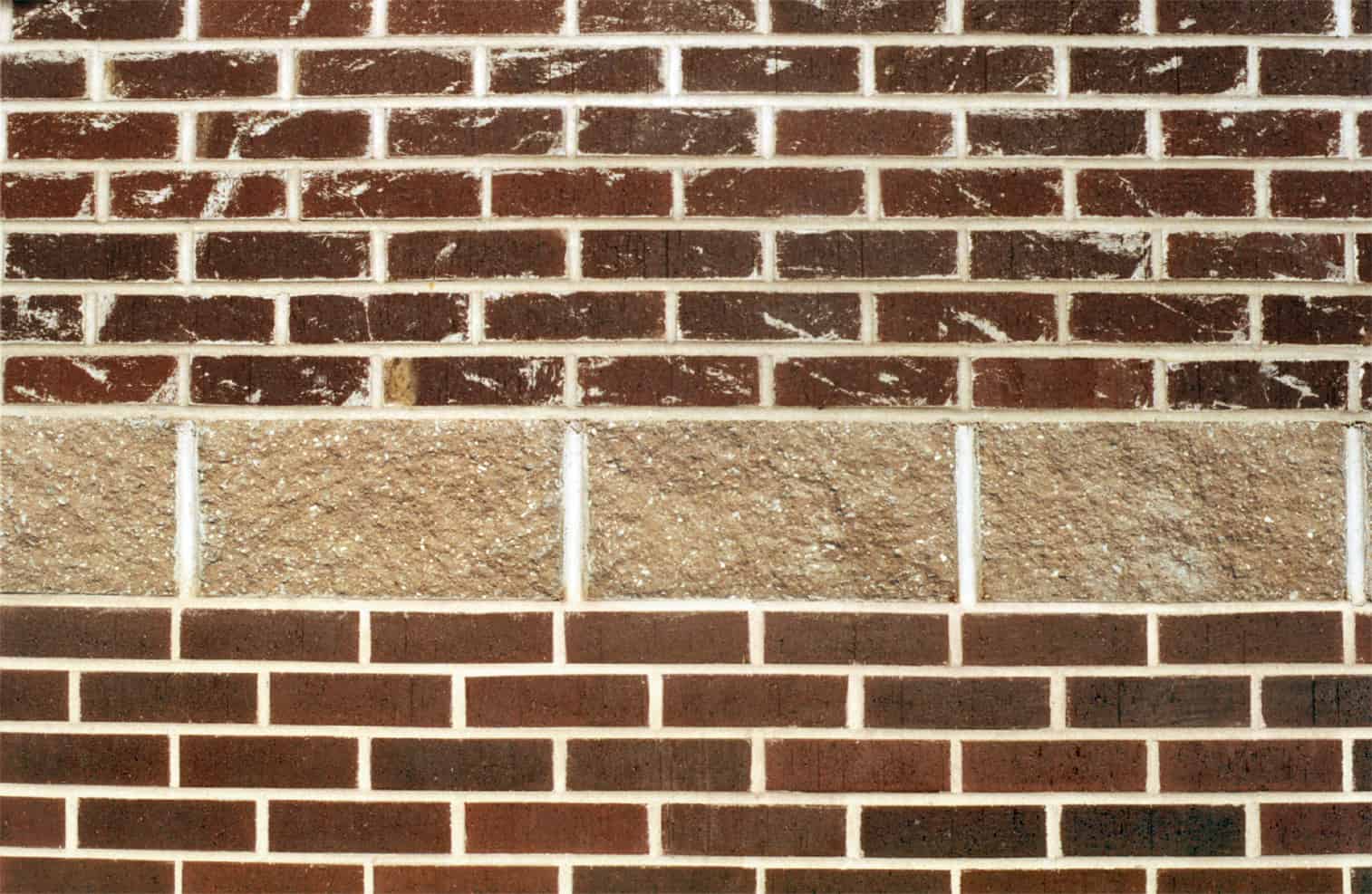
Timing is important.
One thing the field continues to confirm is how critical cleaning timing really is. Cleaning too early can smear mortar fines, weaken green joints, or push moisture deeper into the wall. Waiting too long can make residue harder to remove without stepping up aggression—which increases risk to the surface.
There’s no universal “right day” to clean a CMU wall. Conditions matter. Block type matters. Mortar matters. Sun, shade, wind, and temperature all matter.
Timing of the clean down is one of the biggest contributors to consistent results.
Moisture Is Part of the Process
Moisture is another topic that deserves realistic expectations. New masonry contains water from the block, mortar, grout, and jobsite conditions. As that moisture moves to the surface of the wall, it can carry water‑soluble salts with it. When the moisture evaporates, those salts are left behind as efflorescence.
A common rule of thumb is allowing about one month of drying time per inch of masonry thickness.
Efflorescence that shows up shortly after construction—often referred to as new building bloom—is normal.
A common rule of thumb in the field is allowing about one month of drying time per inch of masonry thickness. Just as important, that clock doesn’t really start until the building is enclosed and HVAC systems are operating.
If efflorescence continues well beyond that period, it’s usually a signal to look deeper.
CMU Still Does What It’s Always Done Well
Even as CMU takes on a stronger visual role, its core value hasn’t changed. The benefits of block’s structural utilities, sustainability, resilience, value, round out its beauty. We are glad to play a part in keeping masonry strong, showing that beauty and preserving it from elements over time.

Rathbun says:
"Using the wrong product on burnished block can result in fading, etching, and degradation of the finish."
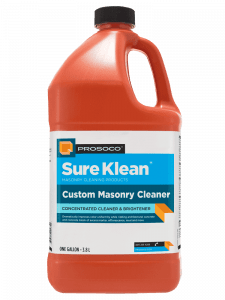
In general, when cleaning split-faced block, Custom Masonry Cleaner is the best choice.
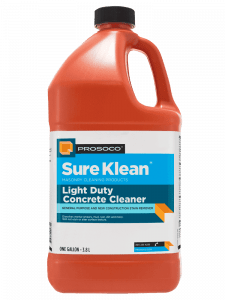
...and on burnished CMU, Light Duty Concrete Cleaner is the best choice.