
Fireplaces accumulate residue in ways most indoor masonry surfaces never experience. Every fire releases carbon particles, smoke byproducts, and trace combustion compounds that rise, cool, and settle back onto the surrounding brick. Over time, those particles darken the surface, concentrate around the firebox opening, and migrate into mortar joints where heat and airflow are most intense. Understanding how to clean brick fireplace surfaces starts with recognizing that soot buildup behaves differently than surface dirt, which is why standard cleaning approaches often fail on brick fireplaces.
Why Brick Fireplaces Stain Over Time
Brick fireplaces are exposed to repeated combustion cycles that create conditions unlike other interior masonry surfaces. Heat, smoke movement, and cooling patterns drive residue deeper into brick and mortar instead of allowing it to remain on the surface.
How Soot Bonds To Brick And Mortar
Carbon soot particles lodge within the open pore structure of fired clay brick and cement-based mortar. Once soot mixes with moisture, it spreads and migrates deeper into the masonry rather than lifting away. This bonding behavior explains why surface wiping often enlarges stains instead of removing them.
Why Fireplaces Stain Differently Than Other Brick
Interior fireplaces experience rapid heating and cooling, which expands and contracts masonry repeatedly. Those cycles open pores over time, allowing soot to penetrate more easily. Exterior brick does not experience the same concentrated heat exposure, so staining behaves differently.
Inspecting A Brick Fireplace Before Cleaning
Inspection determines whether cleaning can proceed safely or whether damage risk outweighs cosmetic improvement. This step protects both the brick surface and the surrounding structure.
Identifying Soot, Smoke, And Other Masonry Stains
Most fireplace discoloration is carbon soot, but not all stains respond the same way. Smoke residues may contain oily components, while white powdery deposits indicate efflorescence driven by moisture movement. Different masonry stains respond to cleaning methods in different ways, which is why accurate stain identification matters before any cleaning begins.
When Cleaning Should Not Proceed
Brick that is spalling, mortar that is deteriorating, or surfaces that have been painted or sealed require specialized treatment. Historic or older brick may be too soft for aggressive cleaning. In these cases, improper methods can permanently damage the masonry.
Preparing The Fireplace And Surrounding Area
Preparation limits soot migration and prevents residue from spreading into finished spaces. Skipping this step often creates more cleanup work than it prevents.
Protecting Adjacent Surfaces From Soot Migration
Dry soot becomes airborne easily during cleaning. Firebox interiors must be cold, and loose ash should be removed carefully. Vacuuming with appropriate filtration removes surface soot without grinding it deeper into the brick.
Why Dry Removal Comes Before Wet Cleaning
Water changes how soot behaves inside masonry pores. Introducing moisture too early dissolves and mobilizes carbon particles, spreading stains. Dry removal reduces the amount of soot available to migrate once liquids are introduced.
Choosing The Right Cleaner For Brick Fireplaces
Cleaner selection should follow inspection and preparation, not precede them. Brick and mortar respond poorly to products designed for non-porous surfaces.
Why Household Cleaners Often Fail On Brick
Soaps and general detergents leave residues inside brick pores that attract future soot. Acids can etch brick faces and weaken mortar joints, while misused alkaline cleaners cause uneven color changes. These reactions explain why household solutions rarely deliver lasting results.
Selecting Brick And Masonry Cleaners Based On Stain Type
Masonry cleaners formulated for soot removal penetrate pores, disrupt carbon bonding, and allow controlled rinsing. Cleaner chemistry must match both the stain and the substrate to prevent damage while lifting residue effectively, which directly affects how to clean brick fireplace masonry without damaging brick or mortar.
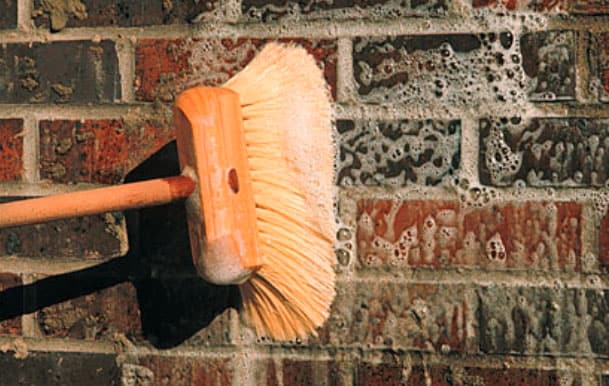
Step-By-Step: How To Clean Brick Fireplace Surfaces
Effective cleaning follows a controlled sequence that limits moisture while targeting soot at the pore level, which is why understanding how to clean brick fireplace surfaces requires following each step in order.
Step 1: Dry Soot Removal
Brush and vacuum brick surfaces gently to remove loose soot. This step prevents smearing once liquid cleaners are applied. Careful dry removal sets the foundation for successful wet cleaning.
Step 2: Controlled Wet Cleaning
Apply masonry cleaner in manageable sections to avoid streaking and uneven absorption. Measured dwell time allows the cleaner to react with soot without saturating the brick. Controlled application reduces the risk of driving residue deeper.
Step 3: Final Rinsing And Drying
Rinsing must remove lifted residue completely without flooding the surface. Excess water mobilizes remaining soot and introduces moisture problems that surface later. Proper drying prevents streaking and secondary staining.
Cleaning Heavily Soiled Or Older Brick Fireplaces
Some fireplaces show staining that reflects years of use and earlier cleaning attempts. These conditions require realistic expectations and careful judgment.
Why Aggressive Scrubbing Makes Staining Worse
Heavy scrubbing abrades brick faces and opens pores further. This damage allows future soot to penetrate faster and deeper. Mortar joints are especially vulnerable to erosion under aggressive agitation.
When Professional Restoration Is Required
In cases of deep carbon penetration or historic masonry, cleaning may improve appearance without fully restoring original color. Understanding how to clean brick fireplace interiors includes recognizing when professional restoration is necessary to avoid irreversible damage.
Preventing Future Soot Buildup On Brick Fireplaces
Preventive practices reduce the frequency and intensity of future cleaning efforts.
Operational Habits That Reduce Soot Accumulation
Burning dry, seasoned wood limits soot production. Adequate airflow reduces incomplete combustion that creates oily smoke residues. Regular ash removal prevents buildup that becomes airborne during use.
Long-Term Masonry Care Considerations
Moisture movement through fireplaces contributes to staining and efflorescence. Efflorescence forms when moisture moves salts to the masonry surface, creating deposits that signal ongoing water migration through the assembly.
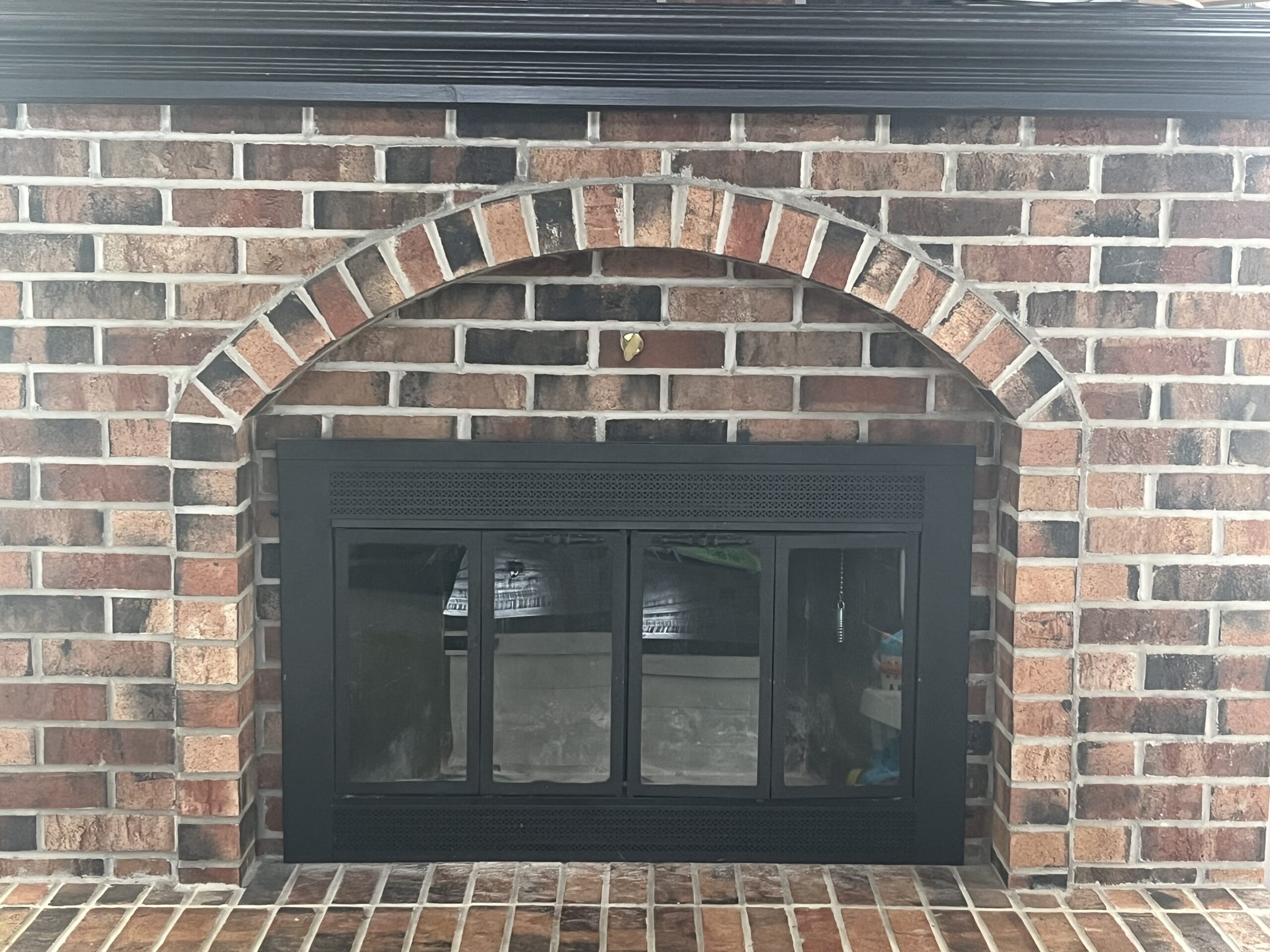
Clean Brick Fireplaces Require The Right Process
Ultimately, how to clean brick fireplace surfaces effectively comes down to following the process instead of forcing results. Inspection, dry removal, correct cleaner selection, controlled application, and careful rinsing work together to remove soot without damaging brick or mortar. Skipping steps or introducing excess moisture creates new problems that often outweigh cosmetic improvement.
Choose PROSOCO Cleaners for Brick Fireplace Maintenance
PROSOCO engineers and manufactures masonry cleaners designed to address soot, smoke residue, and other fireplace-related stains without damaging brick or mortar. Each product is formulated to work with masonry porosity and stain behavior rather than against it. Contact us today for more information.