The owners of Bilco Brick are on top of their game in every way – just don’t let them know.
The family-owned business led by Randy Colen and Clay Colen has survived and thrived since 1955, not in spite of, but because of their perception of being the underdog. They’re the scrappy outsiders looking in, David taking on Goliath, the less-tended-to stepchildren, equipped with chips on their shoulders and the deck stacked decidedly against them.
Infused in that attitude is the kind of grit and ingenuity required to build a national multi-million-dollar business from the ground; to make sacrifices to sustain that business through numerous recessions and a pandemic that bled many others like it dry; and to invent new ways to grow in an exceedingly tough industry.
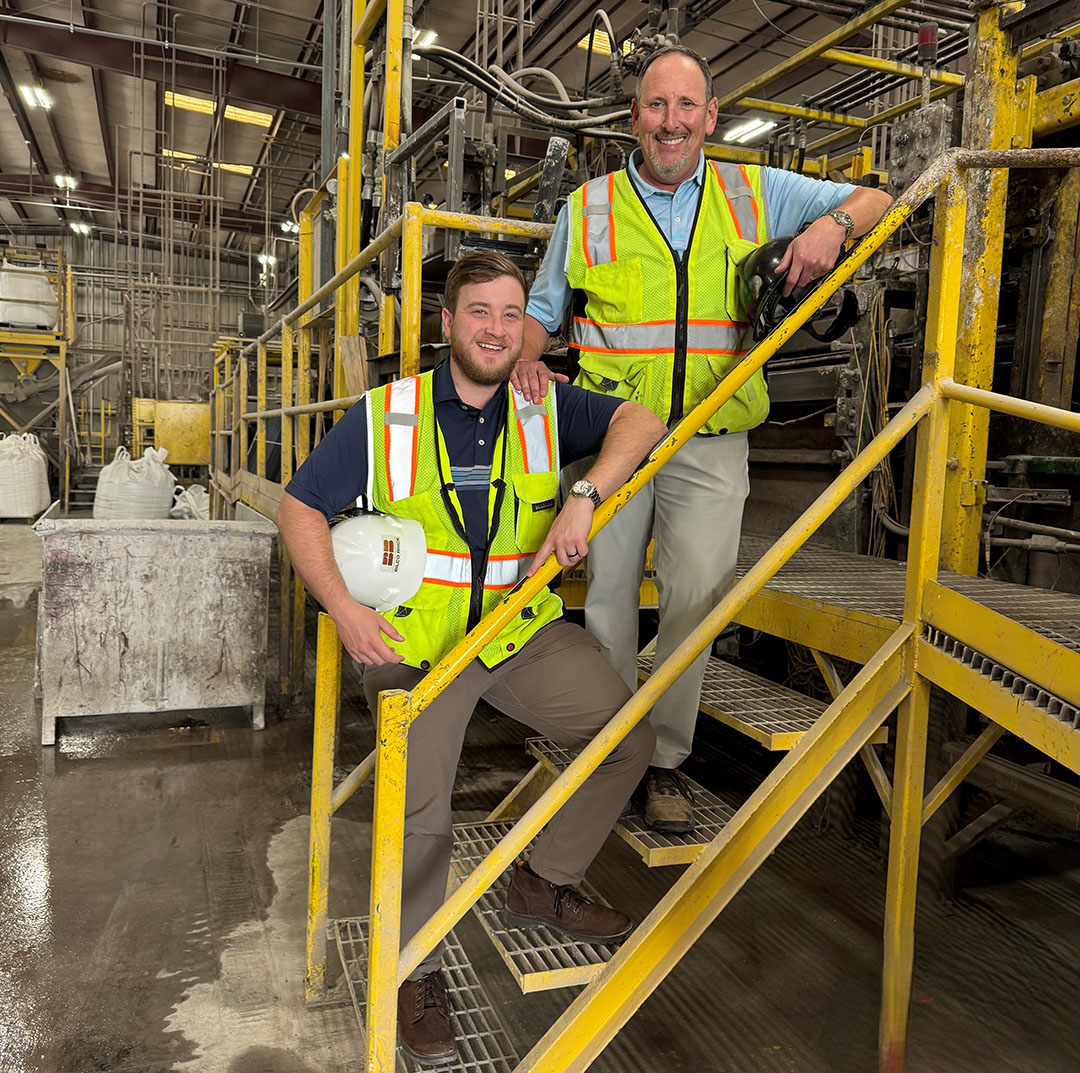
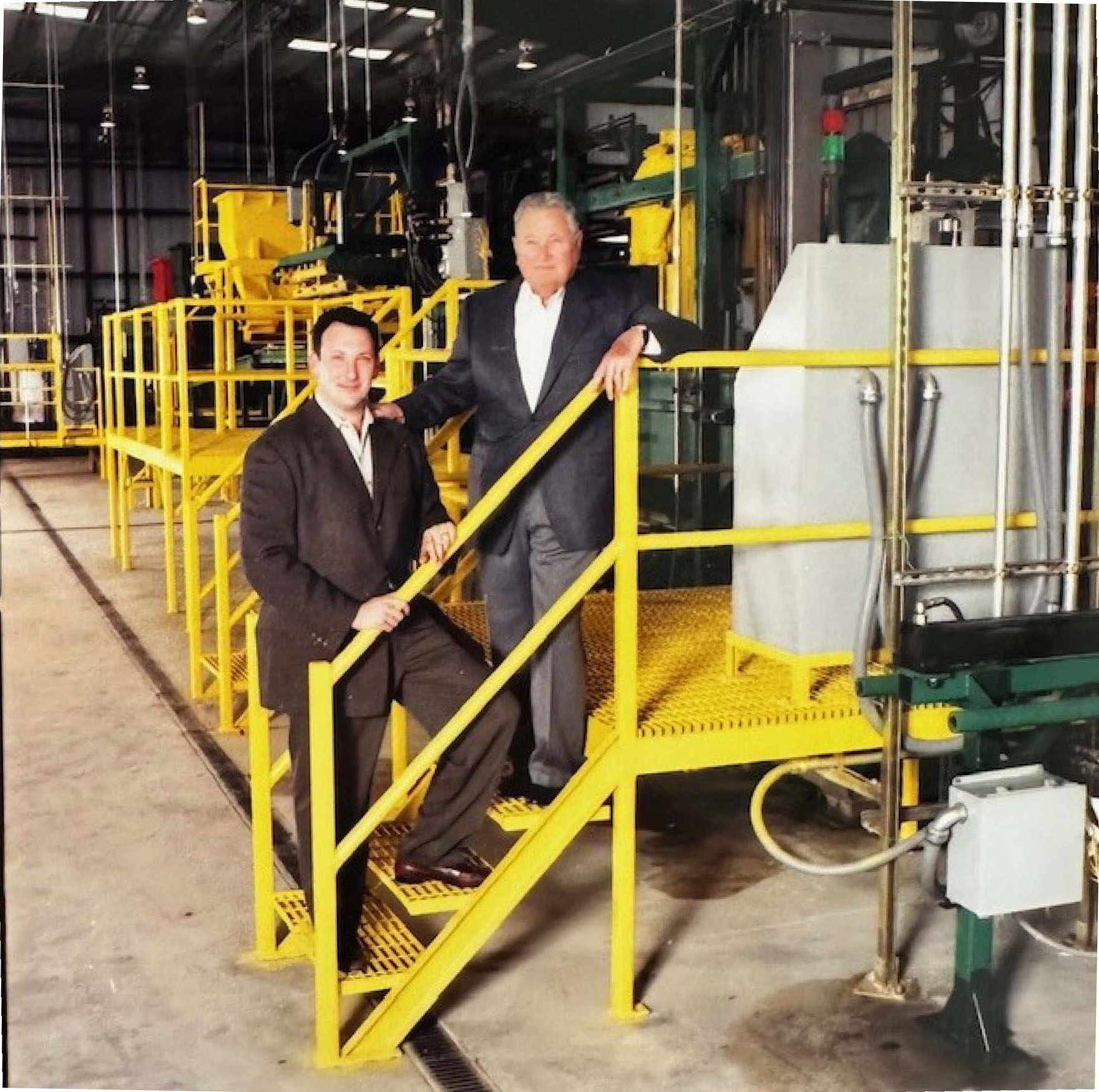
Bilco Brick makes concrete brick in a world dominated by clay brick. (CEO Randy estimates clay brick makes up about 95% of brick on the U.S. market today.) Bilco Brick is not like the others. They’re not allowed to join national brick associations that mandate their members be clay brick producers. And that’s OK, because not being accepted is what feeds their determination not only to win, but to disprove all the people who counted them out.
Humble aspirations
It began with Bill Colen, Randy’s father and Clay’s grandfather, who was born in 1923. Growing up poor in Texas inspired Bill to never be poor again. He went to college, got drafted, and served in World War II. After the war, he opened up a sprinkler business but found it too labor-intensive.
Meanwhile, Bill’s brother, Albert, was building a house in Berkeley, Calif. Albert called Bill one day and said, “You need to go into the brick business. I can’t find brick to put on my house.”
"We’re the only company that 100% of our revenue is making concrete brick. We’ve clawed and fought our way up."
A flip through the Dallas yellow pages that day validated his brother’s idea. Bill found only one brick company in the area.
The idea to go into concrete happened while Bill was in California, living with Albert and Albert’s wife while working for a company called Best Products, which still makes concrete products.
“That’s when he decided to make concrete brick,” Randy says. “He knew everyone else made clay brick. His idea was to make a new brick look antique.”
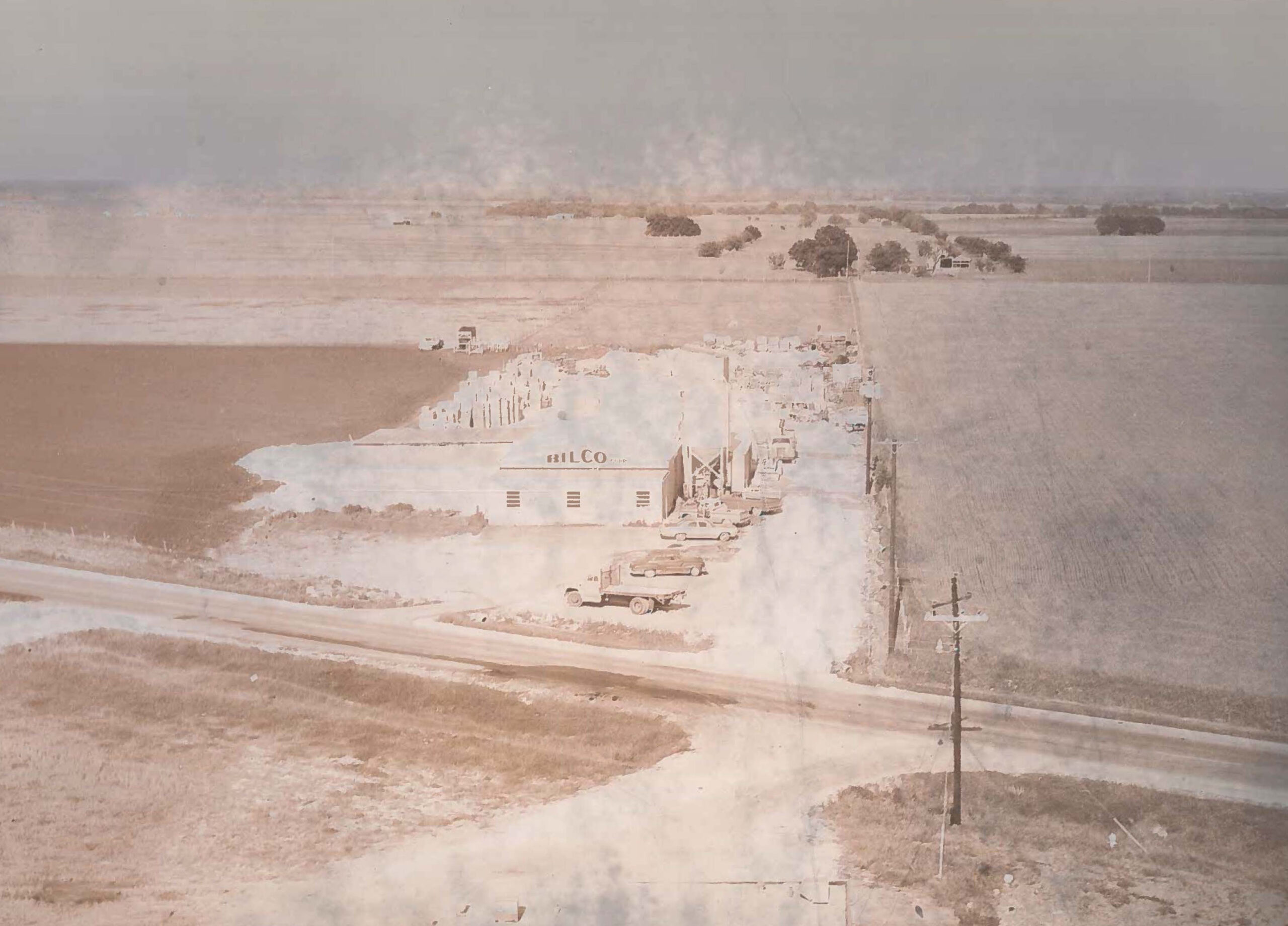
Bill moved back to Dallas in 1955 and found four friends to invest $3,000 each in Bilco (a blend of his first and last name) Brick. Together, they invested $15,000 and lost $14,000 of it after their first year. Bill bought out his buddies (who did remain friends after the fact) and started off on his own with a hand-made machine that could produce 3,000 bricks a day.
Growth spurts
When a local banker called Bill with an opportunity to buy some automation machinery and 8 acres from a farmer in Lancaster, Texas, Bill pounced, even though the deal came with a quirky condition: The farmer wanted permission to show up and drink coffee with Bill every morning and watch the equipment run.
“My dad had a chair out for that farmer, and he really did come over to drink coffee every morning,” Randy says.
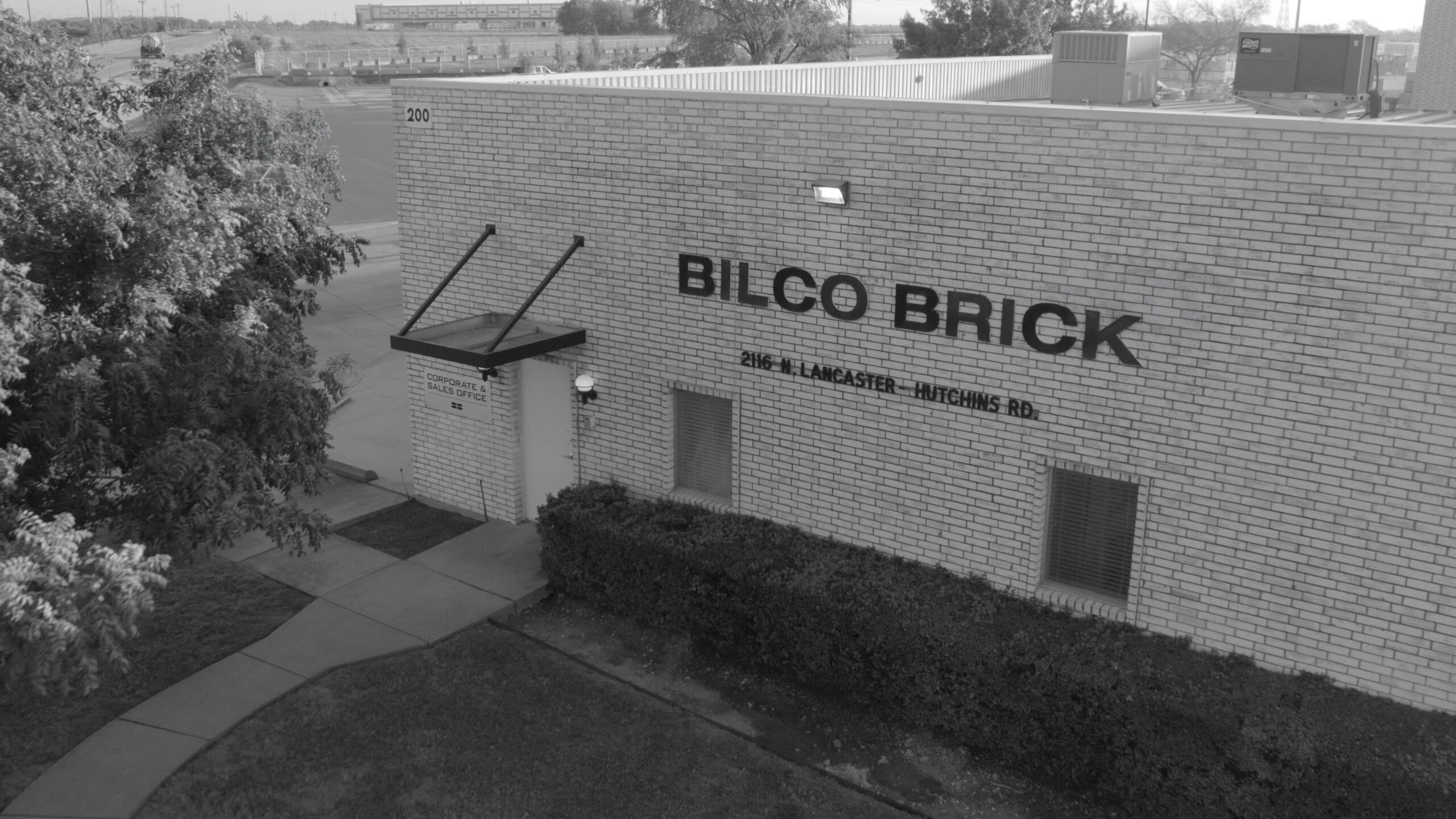
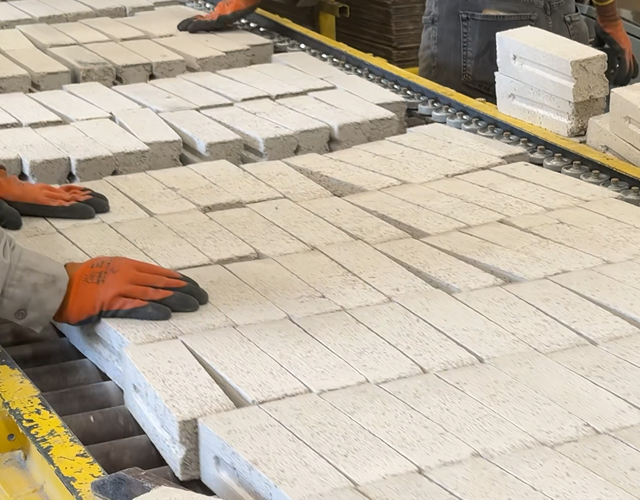
Those 8 acres became Bilco Brick’s current Lancaster facility, which today can crank out 100 million bricks a year (that’s 8.3 million bricks a month, or roughly 277,000 a day – 93 times Bilco Brick’s original brick output).
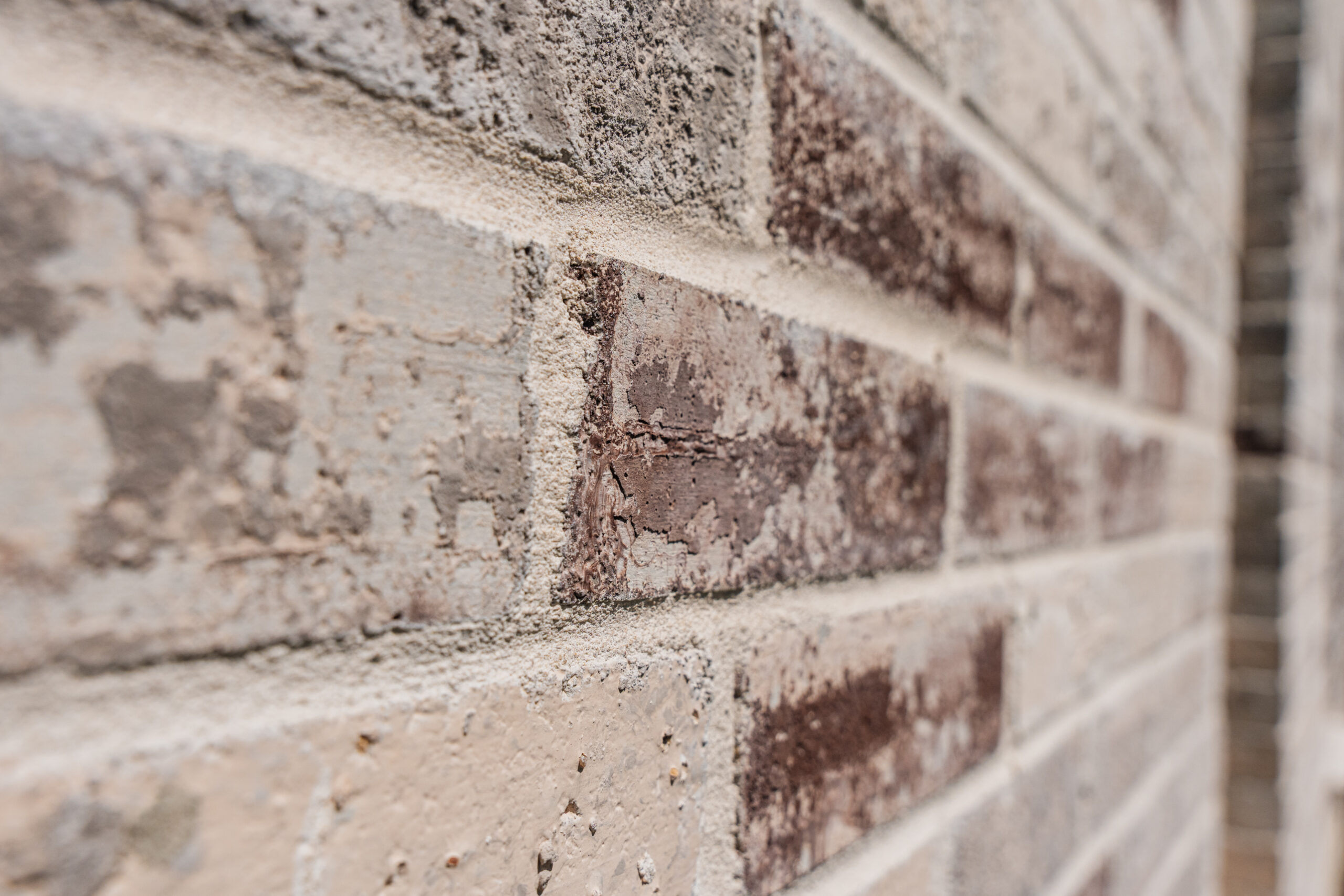
The automation machinery helped Bill achieve the goal of a simple-sounding premise: Making new concrete brick look antique. He used it to design a system where, as the brick ran down the line, they placed a wet cement facing on it and added a few different drops to make it look antique.
“Compared to clay brick, you can’t tell the difference,” Randy says.
A solid foundation
Business grew, in large thanks to Bill’s savvy tax strategies and operational design decisions. With no one to answer to but himself, he expensed equipment instead of capitalizing it, minimized his tax burden, developed proprietary equipment lines, and kept virtually all operations in-house.
“Instead of a $5,000 conveyor that we’d have to capitalize, my dad would say, ‘Let’s make the equipment and expense it,’” Randy says. “The IRS has changed all that, but as a result, we have our own monster machine shop. We build everything ourselves, from conveyors to rollers. It becomes a lot less expensive because we build it a lot better and build it ourselves.”
No one else could fabricate equipment better tailored to their needs, says Clay Colen, Vice President of Operations.
“There’s a lot of production lines out there that are made to move light products fast, like mail,” Clay says. “We need heavy products to move fast, so we manufactured our own lines. We have full control.”
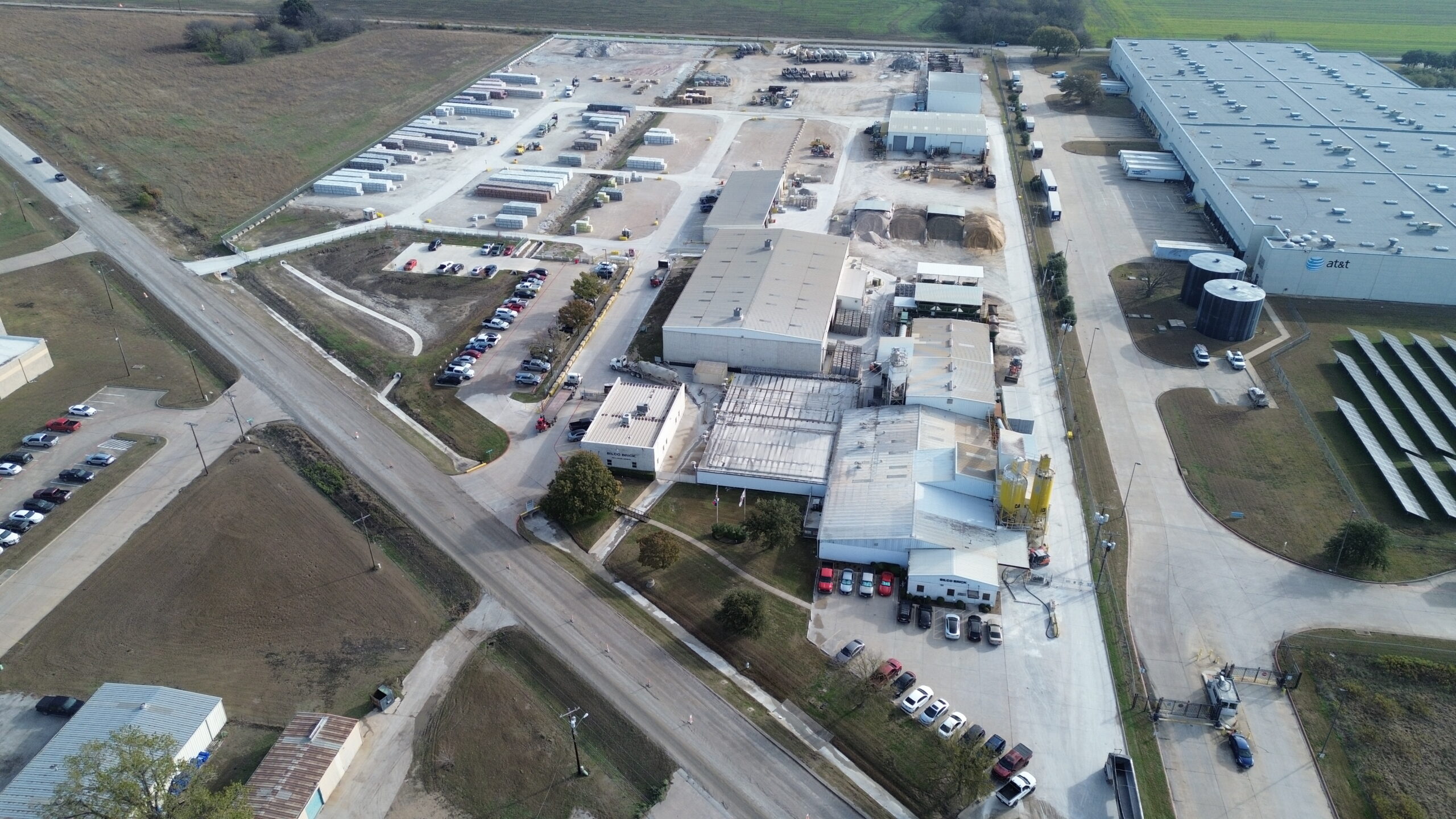
Today, Bilco Brick employs about 90 employees, including engineers, truck drivers, production workers, sales people, office staff, and fabricators.
“We’re in one facility on 25 acres and 7 different buildings,” Randy says. “We perform our own operations. We do everything in house, human resources, payables, payroll, etc. I don’t like to contract any work out. We have our own equipment, our own engineering department that designs hoppers and conveyors. I always like to make it ourselves for more control.”
As an employer, the Colens know they compete with much bigger companies in Dallas-Fort Worth with shiny perks and benefits, so taking care of their employees is a top priority.
“We have one employee who’s been here 55 years,” Randy says. “Our head of engineering has been with us for 35 years. Our plant manager has been here for 30 years, and our head salesman has been with us for 30 years. We have about 20 other people who have been here for 20 years. I hope that means we’re doing something right. I’ve always made sure we take care of our employees.”
“I just kept the company alive”
If Bill’s legacy is establishing Bilco Brick, Randy’s legacy is sustaining it -- through economic downturns and crises that many other businesses did not survive.
Randy didn’t originally plan on going into business with his dad. “He never pushed me into it,” he says.
After earning an undergraduate degree in engineering, Randy went to work for a mortgage company. Then the mortgage crisis hit. “I knew I was going to eventually be fired if I didn’t do something,” Randy says. “I called my father and said, ‘I’d like to join you if you have an open space for me.’ I started in sales in 1989.”
Around 2008, when the housing crisis-turned-global financial crisis devastated demand for building materials, caused hundreds of thousands of construction jobs to vanish, and massively shrunk the supplier base, Randy was running the show – Bill had died a few years earlier in 2005.
“From 2008 to 2020, we didn’t make a profit,” Randy says. “We sure didn’t sell a lot of brick. We made CMU block and concrete foundation cylinders to keep the revenue coming in. That kept us going. I just kept the company alive. I don’t know how I did it, but I did. The only thing that kept me from going out of business was the PPP loan during Covid.”
Clay brick v. Clayton
Randy followed his dad’s footsteps in many ways, including the choice to not pressure his son to join the family business.
(One decision made by Randy and his wife seemingly defied his dad – naming his son Clay, the very essence of Bill’s No. 1 competition. Bill refused to call his first grandson by his nickname and always called him by his birth name, Clayton. So, why did Randy name his son Clay? “My wife wanted to name him after our grandparents. Her grandmother was Cecil, and she wanted a name that started with the letter C. We came up with Clay. It was the 1990s,” Randy laughed.)
Yes, young Clay grew up in his dad’s brick plant and fondly remembers the time some employees in the truck shop made him a go-cart to ride. But as he got older and his future path materialized, it wasn’t yet paved in brick. Instead, Clay went to St. Edwards University in Austin to study business administration. While building his own life in Austin, his mind kept wandering back to the many conversations he’d had with his parents about there always being a spot for Clay at the business.
“It was difficult, because Austin is so fun,” Clay says. “I started in sales in 2018. I learned the entire process and helped implement new technology and update the office.”
Not only that – Clay’s fresh perspective shook them out of their legacy systems and ways of doing things. In just 8 years, Clay has spurred multiple initiatives which Randy credits for growing the business and fortifying it for years to come.
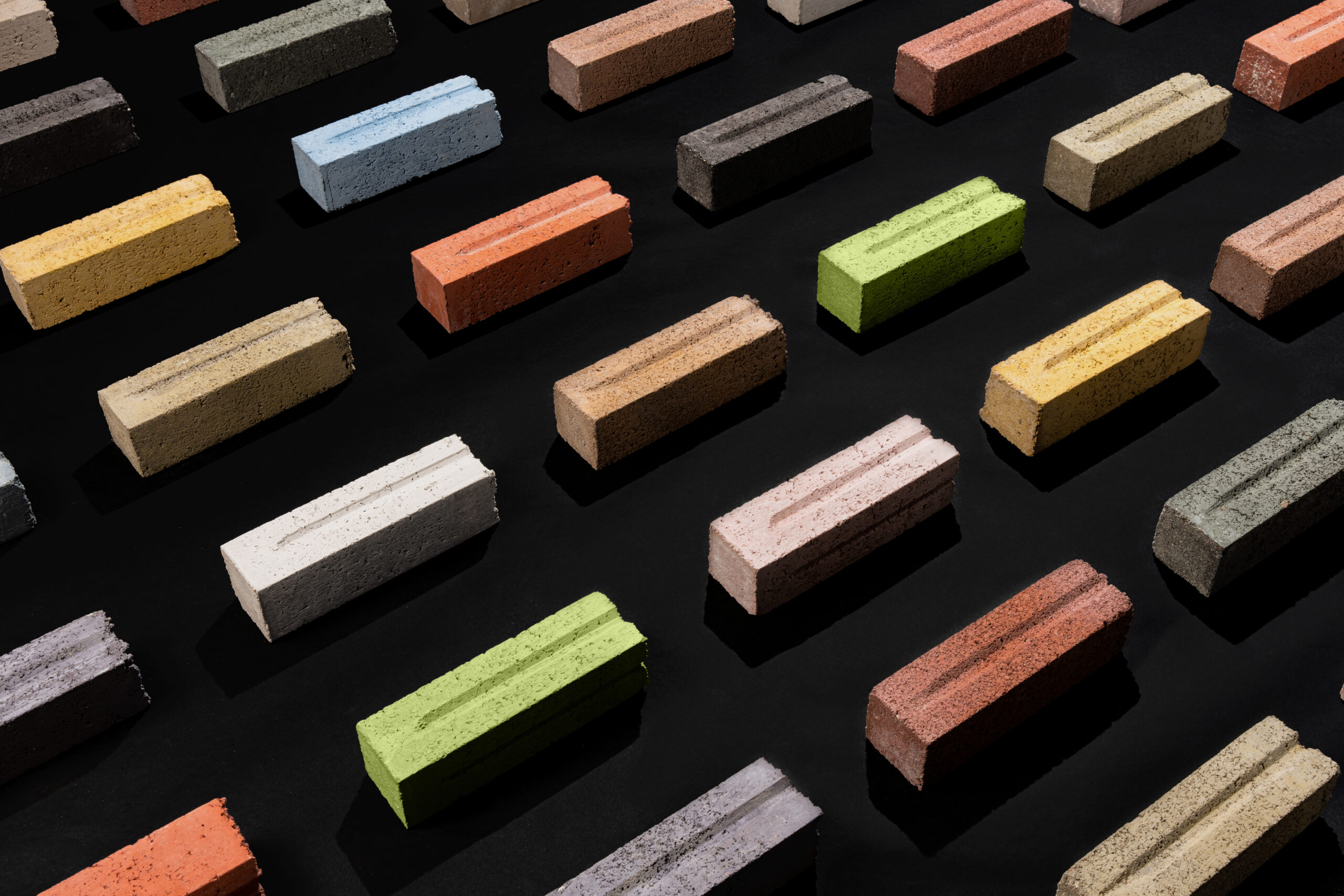
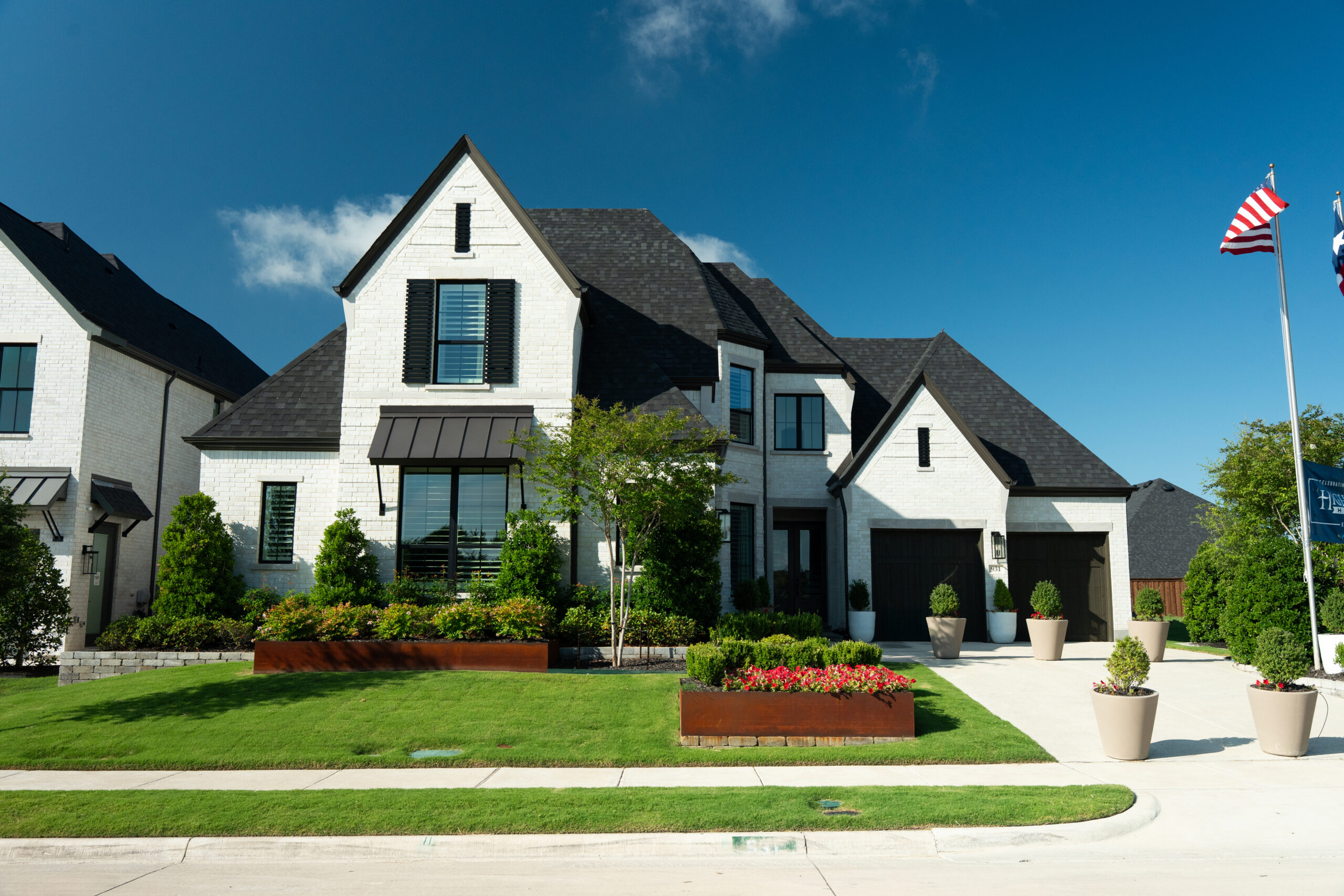
“Really, the big change has been Clay,” Randy says. “He’s the one. For 70 years, we’ve only focused on residential builders. Clay came in and said, ‘Why do we have to put the slurry on it? Let’s make an integrally colored brick.’ So now we have a process for integrally colored brick. We didn’t want to just fall on the heels of clay brick where they make 10 commercial bricks and put them on a handboard. We decided to do something different. Clay’s idea helped us introduce a seven-color system where we can make any color anybody wants, from white brick, to blue brick, and anything in between.”
Clay also spearheaded a new design of different sizes of brick to target commercial builders. “Clay took that and ran with it,” Randy says. “It’s exciting. It’s a new chapter.”
Every color imaginable
The advent of a professional line of colored concrete brick has elevated Bilco Brick to a new niche.
Clay explains how he arrived at the concept:
“We would take the same type of concrete you see on roads and bridges, that classic gray, and then add a facing on top. So now we could turn it orange, brown, whatever color we want. It’s similar to how clay brick does a white brick. It’s a brown base coated with white. But the problem is, when it chips due to weathering, that base color comes out. That was the issue we were seeing when doing lighter colors with a darker color underneath it. That gray would be seeping out of white brick. People don’t like that. And I thought, it’s the same as mortar. You add different sands to either a white base or a gray base to get a different mortar color. I essentially took that idea and applied it to a big batch of brick. So now, we have an integrally colored white brick with white cement and light color aggregates. If it chips, it’s just white underneath. There’s really no maintenance down the road.”
“Our white brick really blew up. Then we started adding different toppings to give them different looks with different aggregates or shades of white to give it variations. We’ll add different percentages of pigments to get whatever color you want. If someone sends us a CMYK or RGB code, or even a paint color they like, we’ll come up with a formula and volume-batch it to match.”
"I can’t tell you how many masons have burned, and how many builders we’ve lost because of (incorrect cleaners used). The pallet tag program is a game-changer for us.”
Clay and Randy have invested a lot of energy into marketing concrete brick in general (they tout its sturdiness, durability, strength, and minimal breakage during transportation), as well as their new integrally colored brick options.
They monitor the architectural trends for colored brick across the country (and even as far north as Canada) as orders come in, though Randy thinks his mom’s tactic of following the color palette at Neiman Marcus still works brilliantly.
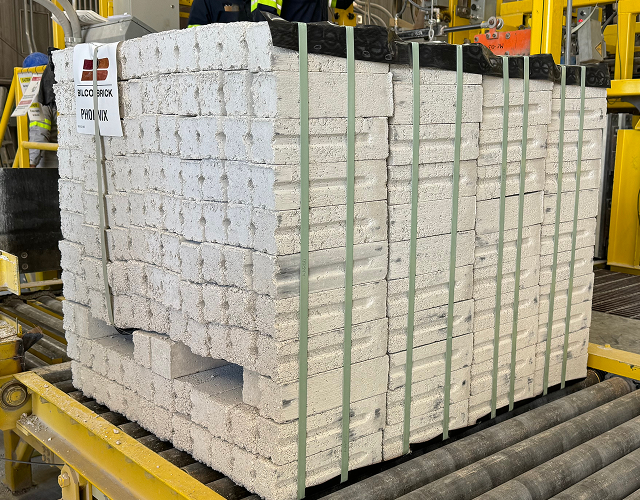
At the suggestion of Wes Brown, PROSOCO’s Regional Sales Manager in Texas, Bilco Brick also recently took advantage of PROSOCO’s free pallet tag program, which provides a tailored set of cleaning recommendations based on the unique composition of producers’ masonry materials.
Cleaning solutions and procedures are different for concrete brick than they are for clay brick, and throwing color pigmentations into the mix changes how the material interacts with chemical cleaners yet again.

“All the years I’ve been out there, I can’t tell you how many masons have burned, and how many builders we’ve lost because of (incorrect cleaners used),” Randy says. “The pallet tag program is a game-changer for us.”
Clay agrees it’s a better way to explain to builders why they would want to use one product over another to clean their bricks, and it’s backed by science.
“We can see immediately if brick was burned because someone used a cheap acid to clean it,” he says. “The pallet tag makes it a lot easier for builders to understand why, if they have a blue brick, they need to use a lighter acid, and if they have a black brick, they should use something else. The pallet tag program backs us up now that we have data behind it.”
The gift of gratitude
Though the pallet tag program is available to anyone who’s interested, Randy was flattered, maybe even surprised, to receive that kind of personal attention.
“We’ve always been the stepchild in the brick industry,” he says. “We’re the only company that 100% of our revenue is making concrete brick. We’ve clawed and fought our way up. So, what Wes did to get us a personalized two-pager on how to clean our concrete brick… no one else would do that.”
Maybe that’s another advantage of possessing an underdog mentality – when you don’t expect to be treated specially, you appreciate it more when you are.
Gratitude is not lost on Randy. Each day when he walks into work, he sees signs everywhere of his dad. It’s the business built by Bill, the farmland-turned-monster machine shop and production lines that make close to 300,000 bricks a day. And there’s signs of the third generation now too, in the colorful innovations Clay has brought to the table. There’s no fourth generation yet (though Clay jokes that his boss asks him about that every day), but right now, Randy is perfectly content.
“I had a great run with my father,” he says. “I’m one of the luckiest people around. I went to lunch with him every day. And now I get to have lunch with Clay every day.”