
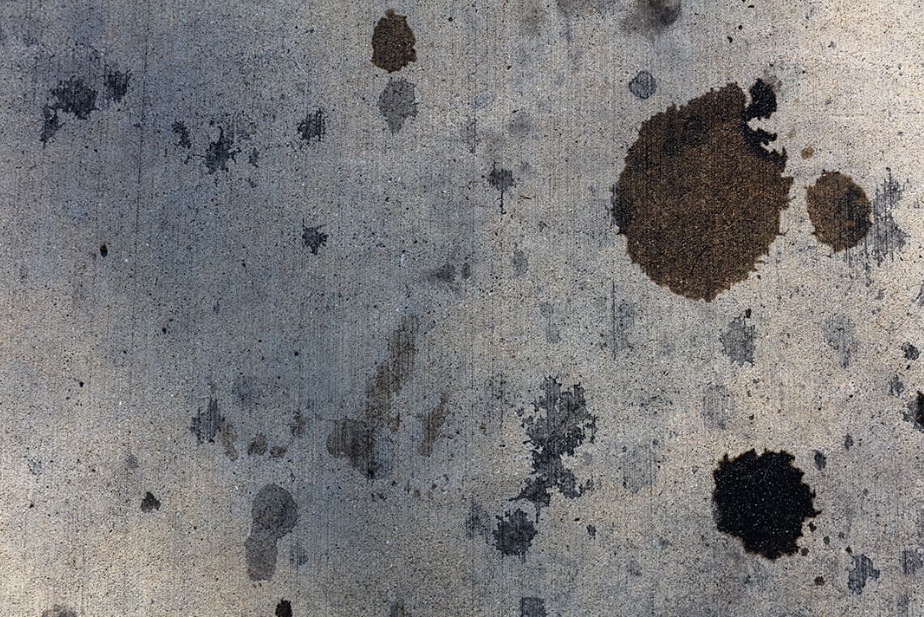
Mildew on concrete starts with trapped moisture. Patios, walkways, pool decks, and shaded slabs often stay wet longer than they should. Green, black, or gray discoloration usually shows up after the slab stays wet through repeated exposure cycles and never gets a full chance to dry.
Why Mildew on Concrete Keeps Returning
Concrete does not behave like a sealed countertop or a glazed tile. It has capillaries, voids, and surface texture that can trap water, hold dirt, and support repeated regrowth when the area never fully dries. Biological growth can affect appearance and durability, and retained water is associated with faster deterioration in masonry surfaces.
North-facing slabs, concrete tucked under dense plantings, areas below leaking irrigation heads, and surfaces that stay shaded through most of the day give growth a stable moisture source. Even a clean-looking patio can start to discolor again if sprinkler overspray, poor pitch, or clogged drainage keeps the surface damp each morning and evening. Moisture control is the central prevention issue because mold growth depends on wet conditions, not just surface dirt.
How to Prepare Concrete Before Cleaning
Once those repeat moisture zones show up, prep work needs as much attention as the cleaning itself. Start by opening up the work area before cleaning mildew on concrete so the slab can dry and the cleaner can reach the stained sections without obstruction. Brush away leaf litter and loose soil, and move furniture or containers that hold moisture against the concrete. Sweep the surface so the cleaner reaches the concrete instead of sitting on dirt and organic buildup.
If landscaping borders the slab, pre-wet nearby plants and cover sensitive materials where needed so rinse water and cleaner runoff are easier to control. It also helps to test the chosen cleaner on a small section before treating the entire area, especially if the concrete has a decorative finish, a colored treatment, or an older sealer with an unknown history. Preservation guidance and PROSOCO’s own cleaning materials both support protecting adjacent materials and testing first before full application.
Choosing the Right Cleaner for Biological Growth on Concrete
The cleaner has to match both the staining and the concrete. Concrete can tolerate routine washing, but biological staining responds differently than surface dirt, especially when moisture stays in the slab long enough for regrowth to take hold.
Why Bleach, Vinegar, and Pressure Need Caution
Cleaner choice is where many concrete surfaces get into trouble. Household recipes often default to bleach, vinegar, or aggressive pressure washing because those methods are easy to find online and seem fast. On masonry, that shortcut can create avoidable risk. PROSOCO warns that bleach and metallic-salt “toxic washes” can leave residues, stain masonry, lighten color, or create crust formation, while preservation guidance also warns that harsh chemistry and excessive pressure can damage masonry surfaces.
Where ReKlaim Cleaner Fits
Because those common shortcuts can create avoidable surface problems, the goal with mildew on concrete is to use the least aggressive method that will break down the biological staining and rinse away cleanly. A commercial-grade mold and mildew cleaner is often the better fit because it is designed for this exact staining condition and substrate. PROSOCO’s approach to biological growth on masonry is useful here because it is built around masonry behavior rather than general household cleaning.
For mold and mildew staining on horizontal or vertical concrete, ReKlaim Cleaner fits naturally into the process because it is designed for biological and atmospheric staining on concrete and other masonry. That kind of cleaner selection keeps the chemistry aligned with the substrate from the start.
A Safer Cleaning Sequence for Concrete Affected by Biological Growth
The cleaning pass works best when application, agitation, rinsing, and drying stay in order. Each stage affects how much staining lifts and how clearly the slab shows its true condition afterward.
Apply, Agitate, and Rinse Thoroughly
Wet the surrounding area as needed, apply the selected cleaner according to product guidance, and give it enough dwell time to react with the staining instead of rushing straight to hard scrubbing. Agitation still matters, especially on textured concrete, but the brush should help the cleaner lift and loosen the growth rather than become the main source of force.
A natural or synthetic bristle brush is usually the safer choice for broad scrubbing because metallic bristles can leave deposits in masonry. Once the staining releases, rinse thoroughly so dissolved material, loosened debris, and remaining cleaner do not dry back onto the slab. Preservation guidance supports non-metallic bristle tools and thorough rinsing as part of safe masonry cleaning.
Let the Slab Dry Before You Judge the Result
To clean mildew on concrete effectively, rinsing has to be taken seriously. Many disappointing results come from incomplete rinse work, not from the first application itself. If cleaner residue stays on the slab, the surface can dry with uneven color, streaking, or a visible film. Thorough rinsing also makes it easier to see whether the remaining discoloration is active biological growth, deeper embedded staining, or a shadow left by uneven weathering.
Drying is part of the cleaning process, not a separate afterthought. Concrete almost always looks darker when it is wet, and damp areas can disguise whether the growth has actually been removed. Let the slab dry before making a final judgment about what still needs work. That aligns with ReKlaim’s own testing guidance, which calls for thorough drying before inspection.
When a Specialized Masonry Cleaner Makes Sense
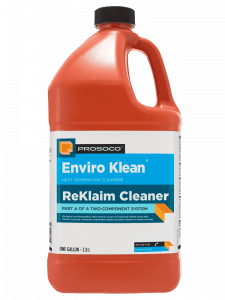
If the slab dries and still shows widespread or stubborn staining, it is time to move to a more specialized system. PROSOCO ReKlaim Cleaner is described as a two-component system for difficult biological and atmospheric staining on concrete and masonry. In those conditions, the system gives the cleaner more time and range to break down deeper or more persistent staining.
Used in line with product directions and follow-up neutralization steps, that approach helps the cleaner do the work it was designed to do without forcing the operator to rely on excessive pressure or repeated experimental mixes.
How to Keep Growth From Returning
Cleaning only solves the visible part of the problem. Regrowth usually points back to recurring moisture, so prevention has to address the wet conditions that keep feeding the same cycle.
Correct the Moisture Conditions First
The reason mildew on concrete returns is usually straightforward: the surface keeps getting wet, and it does not dry fast enough between wetting cycles. If irrigation is striking the slab every morning, if downspouts discharge near the patio, if soil or mulch is piled against the edge, or if tree cover keeps the area shaded most of the day, cleaning alone will only reset the clock. Prevention starts with correcting drainage, trimming back dense growth that blocks airflow, adjusting sprinklers, and removing organic buildup that keeps the surface damp. PROSOCO and EPA guidance both support moisture correction as the key long-term control point.
Decide Whether the Surface Needs Breathable Protection
Once those moisture sources are addressed and the concrete is fully dry, the next step is deciding whether the slab needs breathable protection. PROSOCO says a water-repellent treatment can greatly reduce the likelihood of future biological growth and describes its penetrating repellents as breathable, which makes that follow-up relevant after the surface is clean and dry.
Maintenance is also easier when the next cleaning cycle starts on a drier, less absorbent surface instead of on concrete that keeps pulling moisture back into the same trouble spots. That is why the safest approach for property owners and contractors is to think in sequence:
- remove the organic buildup that is feeding the problem
- choose a cleaner that fits concrete and biological staining
- apply it with controlled dwell and agitation
- rinse thoroughly
- let the slab dry
- correct the moisture conditions that support regrowth
That sequence leaves less residue behind, cuts down repeat staining, and makes the next cleaning cycle more predictable.
Get Concrete-Specific Guidance for Biological Staining
Biological staining comes off concrete more reliably when the cleaner matches the surface, the exposure conditions, and the severity of the growth. PROSOCO offers masonry-specific cleaning guidance along with products such as ReKlaim Cleaner for surfaces that need a more deliberate approach. Contact us today for help choosing the right cleaner and follow-up protection for the specific slab condition, finish, and moisture exposure on your project.
FAQ
Can bleach remove mold from concrete?
Bleach can lighten visible staining, but it can also leave residues on masonry and is not always the safest choice for finished or decorative concrete.
Why does green growth keep coming back on a concrete patio?
Green growth usually returns when the slab stays wet from shade, irrigation overspray, poor drainage, or slow drying conditions.
Do you need to rinse concrete thoroughly after using a cleaner?
Yes, because leftover cleaner can dry with streaking, uneven color, or visible residue on the slab.
When should you use a specialized masonry cleaner instead of a household cleaner?
A specialized masonry cleaner makes more sense when the staining is stubborn, widespread, or tied to recurring moisture exposure.
Should concrete be protected after mold or mildew removal?
Once the slab is fully dry and moisture sources are corrected, breathable protection can help reduce water absorption, slow future regrowth and decrease reoccurrence of stains.