
Rust stains can make sound concrete look neglected long before the surface has reached the end of its service life. Discoloration can settle into pores, follow water movement, and often return when the iron source stays in contact with the slab, paver, step, or driveway. Knowing how to remove rust from concrete starts with identifying the source, preparing the surface, using the right cleaner, and rinsing thoroughly enough to leave the concrete ready for normal exposure.
Why Rust Stains Form On Concrete
Rust appears on concrete when iron reacts with moisture and oxygen, then transfers orange, brown, or reddish discoloration onto or into the surface. Metal furniture, tools, railings, planters, grates, irrigation heads, fertilizer, well water, and nearby steel components can all leave visible marks.
Concrete is hard, but it is still porous. Rust can sit below the visible face of the surface, especially when water carries iron into the pore structure. That is why ordinary washing may remove dirt without removing the stain.
Inspection should come before treatment. A ring under a chair leg points to direct metal contact, a streak along a driveway edge may point to runoff, and a stain around a crack, pop-out, joint, or exposed point may indicate embedded metal or iron-bearing material beneath the surface.
How To Remove Rust From Concrete Step By Step
A controlled cleaning sequence gives the cleaner direct contact with the stain without exposing the surrounding concrete to unnecessary treatment.
Clear Dirt And Loose Debris
Remove anything that may continue to release rust, including metal furniture, tools, grill parts, planter stands, storage racks, or decorative items. Sweep the area thoroughly so soil, grit, leaves, or construction residue do not block cleaner contact. If the surface is heavily soiled, wash it first with clean water and allow standing water to drain away before stain treatment begins.
Test The Cleaner First
A test area should come before broad application. Concrete can vary by age, finish, density, color, porosity, sealer history, and exposure. Decorative concrete, concrete pavers, integrally colored surfaces, and previously sealed areas deserve extra caution.
Treating a small, inconspicuous area first shows how the surface responds. If the test area reacts unevenly, changes color, or leaves visible residue, reassess the cleaner strength, dwell time, or surface compatibility before continuing.
Apply The Cleaner And Let It Work
A safe approach to how to remove rust from concrete starts with a cleaner matched to the stain, substrate, and surface finish. Household acids such as vinegar or lemon juice may lighten very small, fresh stains, but older rust, larger stains, or concrete that will later receive a sealer or coating needs a more controlled cleaner selection.
Apply the cleaner according to the product instructions. When using Light Duty Concrete Cleaner, prewet the surface, follow the tested dilution, allow controlled dwell time, and rinse before the cleaner dries on the concrete. Read the product label and SDS before use, and use appropriate safety equipment, ventilation, and jobsite controls during handling and application.
Scrub And Rinse Thoroughly
Scrubbing helps the cleaner reach the rust stain and lift loosened discoloration from the concrete pores. Use a stiff nylon brush or another surface-appropriate tool. Avoid aggressive metal brushing that could mark the concrete or leave new metal residue behind.
Rinsing is part of the treatment. After the cleaner has had the proper dwell time and the stain has been scrubbed, rinse thoroughly with clean water. Move rinse water away from adjacent surfaces, landscaping, metal fixtures, and areas where residue could collect.
Repeat Treatment Only When Needed
Some rust stains require more than one treatment. Older stains, deeper iron deposits, and stains baked into the surface by sun exposure may lighten gradually. Repeat the process only after checking the surface response.
That distinction matters when deciding how to remove rust from concrete on driveways, patios, walkways, garage floors, and building entries. Surface rust from a chair leg or tool may respond well to one controlled cleaning process. Rust from embedded steel, exposed reinforcement, iron-rich aggregate, or a recurring water source may need deeper investigation.
 Why Cleaner Selection Matters For Concrete Rust Stains
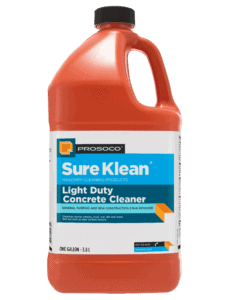
Cleaner selection determines how the rust stain is treated and what condition the surface is left in afterward. The wrong cleaner can leave residue, create an uneven appearance, or stress a decorative finish.
Light Duty Concrete Cleaner fits this sequence because it helps react with light rust staining during controlled dwell time before the surface is scrubbed and rinsed. Using one surface-compatible cleaner process also reduces the trial-and-error that comes with switching between household remedies.
Choosing the right concrete cleaner matters when the surface will later receive a sealer, coating, stain, or other treatment. The cleaned concrete needs to be free of residue before the next step begins. Contractors, maintenance teams, property managers, and property owners working with qualified professionals should match the cleaner to the stain, surface condition, and planned follow-up work.
How To Handle Driveway, Patio, Fertilizer, And Irrigation Stains
The same cleaning sequence applies across most concrete surfaces, but site conditions affect how the work should be controlled. Driveways often collect rust from irrigation overspray, fertilizer, vehicle parts, tools, metal edging, or well water. Large surface exposure and runoff patterns can spread staining beyond the original contact point, so work in controlled sections instead of treating the entire slab at once.
Patios and walkways often develop concentrated rust spots from furniture legs, grill components, metal planters, railing hardware, and decorative fixtures. After cleaning, use pads or non-rusting feet under metal furniture so the same contact point does not stain again. Fertilizer and irrigation stains also need source control. Sweep fertilizer from concrete before it dissolves, and adjust sprinkler heads so iron-rich water does not repeatedly spray across hardscape surfaces.
Can Pressure-Washing Alone Remove Rust From Concrete?
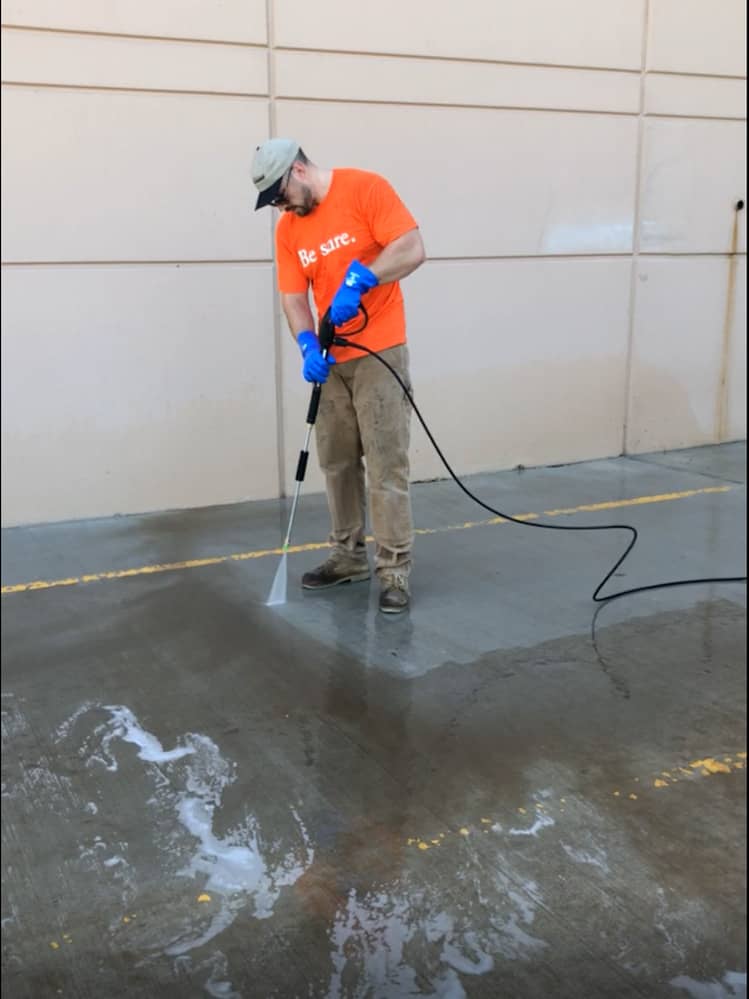
Pressure-washing can help remove loose dirt before treatment or rinse the surface afterward, but pressure alone is not always the right rust-removal method. High pressure, the wrong nozzle, or working too close to the surface can etch, roughen, or unevenly mark concrete, especially on sensitive finishes.
The right answer to how to remove rust from concrete is controlled chemical contact first, with pressure used carefully for surface prep or final rinsing. Bonded rust usually needs cleaner contact before it releases from the surface.
How To Prevent Rust Stains From Returning
Prevention should begin as soon as the surface is clean. Long-term control depends on reducing contact between iron, water, and concrete.
- Keep rust-prone tools, furniture, planters, and metal accessories off bare concrete when moisture is present.
- Add protective pads under furniture legs and metal planters.
- Move metal objects before storms or long wet periods.
- Rinse fertilizer granules from hardscape surfaces before they dissolve.
- Adjust irrigation heads that spray across concrete.
- Correct drainage where water carries rust from railings, posts, grates, or nearby metal fixtures.
When rust appears from cracks, pop-outs, joints, or exposed metal, cleaning should be paired with repair evaluation. Learning how to remove rust from concrete means treating the stain and the condition that caused it. The cleaner solves the visible stain; source control prevents the repeat call.
Choose PROSOCO Products For Concrete Stain Removal
PROSOCO manufactures concrete cleaning products for jobsite and maintenance conditions where surface compatibility, residue control, and cleaner selection matter. Light Duty Concrete Cleaner gives contractors, maintenance teams, property managers, and property owners working with qualified professionals a practical cleaner for controlled concrete stain removal. Contact PROSOCO today for product information, surface-preparation guidance, or help selecting the right cleaner for the job.
FAQ
What Removes Rust Stains From Concrete?
A concrete-safe acidic cleaner can help react with light rust staining so the discoloration can be scrubbed and rinsed from the surface.
Can Pressure-Washing Remove Rust From Concrete?
Pressure-washing can help with loose dirt or final rinsing, but bonded rust usually needs cleaner contact before it releases from the surface.
How Do You Remove Old Rust Stains From Concrete?
Old rust stains may need more than one controlled treatment because iron discoloration can settle deeper into concrete pores.
Why Do Rust Stains Come Back On Concrete?
Rust stains return when the iron source remains active, such as metal furniture, irrigation overspray, fertilizer residue, exposed steel, or iron-bearing material.
How Do You Prevent Rust Stains On Concrete?
Keep rust-prone metal off bare concrete, sweep fertilizer from hardscape surfaces, adjust irrigation, and correct drainage that carries rust from nearby fixtures.