
A dirty stucco wall can become a repair problem fast. Water pressure, harsh chemistry, or stiff brushing can scar the finish, especially when soil is packed into the texture. Knowing how to clean stucco starts with reading the surface, identifying the stain, and respecting the porous material before any cleaner reaches the wall.
Why Stucco Needs A Different Cleaning Approach
Exterior stucco does not behave like vinyl siding, painted metal, or smooth fiber-cement panels. Its rough finish gives dirt, algae, mildew, and airborne pollutants more places to collect. Its porosity also changes how water and cleaning solutions move across the surface.
That surface behavior affects the way stucco should be cleaned. A cleaner that dries too quickly can leave residue in the texture, and a rinse that uses too much force can open weak spots, erode the finish, or push water into cracks. That is why how to clean stucco comes down to surface care: enough water and cleaner to loosen the stain without forcing the finish to take more pressure or chemistry than it can handle.
Common Causes Of Stucco Stains And Discoloration
Stucco stains usually come from more than one source. The wall may have ordinary dirt on the surface, biological growth in shaded areas, mineral deposits near sprinkler spray, and pollution residue near roads or heavy traffic. Each type of discoloration calls for a slightly different cleaning judgment.
Dirt, Dust, And Surface Soil
Dirt and dust often collect after wind, rain splashback, or drainage problems near the base of the wall. These stains may look gray, tan, or brown, and they usually sit in the texture rather than bonding deeply into the surface.
Algae, Mold, And Mildew
Algae, mold, and mildew behave differently. Green staining often develops where shade and moisture remain on the surface, while dark staining may show up below eaves, near drip paths, or around areas where water lingers. Mold on stucco and mildew on stucco should not be treated as ordinary dirt because visible growth is tied to moisture, surface texture, and the material’s ability to hold residue.
To remove mold from stucco, visible surface growth should be loosened with a compatible cleaner and rinsed thoroughly; recurring moisture, cracks, or failed sealant should be corrected rather than washed over again.
Hard Water Deposits And Environmental Pollutants
Hard water deposits can leave white mineral marks near sprinklers, runoff paths, and repeatedly wetted areas. Environmental pollutants can leave dull gray or black film where soot, exhaust, or airborne particles settle into the finish.
The stain source matters because a stucco cleaning solution should match the condition. A cleaner used for general soil may not be the right approach for mineral deposits or heavy biological growth. Identifying the stain first helps prevent over-cleaning.
How To Clean Stucco With Controlled Water And Compatible Cleaners
The safest answer to how to clean stucco is to use controlled water, a compatible cleaner, gentle agitation when needed, and thorough rinsing before residue dries into the texture. This keeps the focus on surface control and reduces the chance of damaging a finish that may already be weathered, cracked, painted, or weakened.
Look at the wall condition before cleaning begins. Cleaning should wait when damage can admit water behind the finish. Cracks, loose areas, open joints, failed sealant, or damaged paint can let water move behind the surface, so cleaning should not be used to hide a repair issue.
Pre-rinsing helps cool the surface, remove loose soil, and reduce uneven cleaner absorption. Use a controlled rinse instead of aggressive force. Then apply cleaning products according to product directions and surface conditions. If light brushing is needed, use a soft brush and work with the surface texture instead of grinding against it.
Choosing A Stucco Cleaning Solution
A stucco cleaning solution should be selected for the surface, stain, coating condition, and surrounding materials. The right cleaner for stucco is a compatible masonry or stucco cleaner matched to the stain, coating, and adjacent materials. Aggressive chemistry can create new problems when it reacts poorly with the finish, paint, trim, or nearby materials.
Test The Cleaner Before Full Application
Testing is one of the most important parts of how to clean stucco safely. Apply the cleaner in a small, inconspicuous area before full use. Let the test area show whether the cleaner changes the color, reacts with the coating, affects surrounding trim, or leaves residue in the texture.
Use Extra Caution With Painted Stucco
Painted stucco requires extra caution. The cleaner must be compatible with the paint film as well as the stucco beneath it. Weathered paint, chalking paint, and previously repaired areas may respond differently from the rest of the wall.
Choose Products Designed For Stucco And Masonry Surfaces
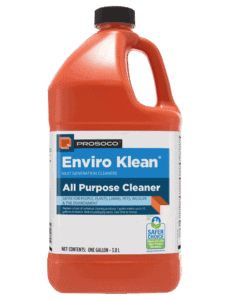
For soiled stucco and related masonry surfaces, All Purpose Cleaner provides a professional-grade cleaner and degreaser option designed for soiled stone, tile, masonry, EIFS, stucco, and metal panels. Klean ‘N Release Cleaner is also designed for soiled stone, tile, masonry, EIFS, stucco, and metal panels when the label directions fit the surface condition.
Product selection should still follow the label, technical guidance, and field conditions. A professional-grade cleaner performs best when the stain, finish, and surrounding materials fit the product guidance.
Rinsing Stucco Without Leaving Residue Behind
Rinsing controls what cleaner and loosened soil leave behind in the stucco texture. If residue dries in the recesses, the wall may show streaks, dull patches, or renewed discoloration.
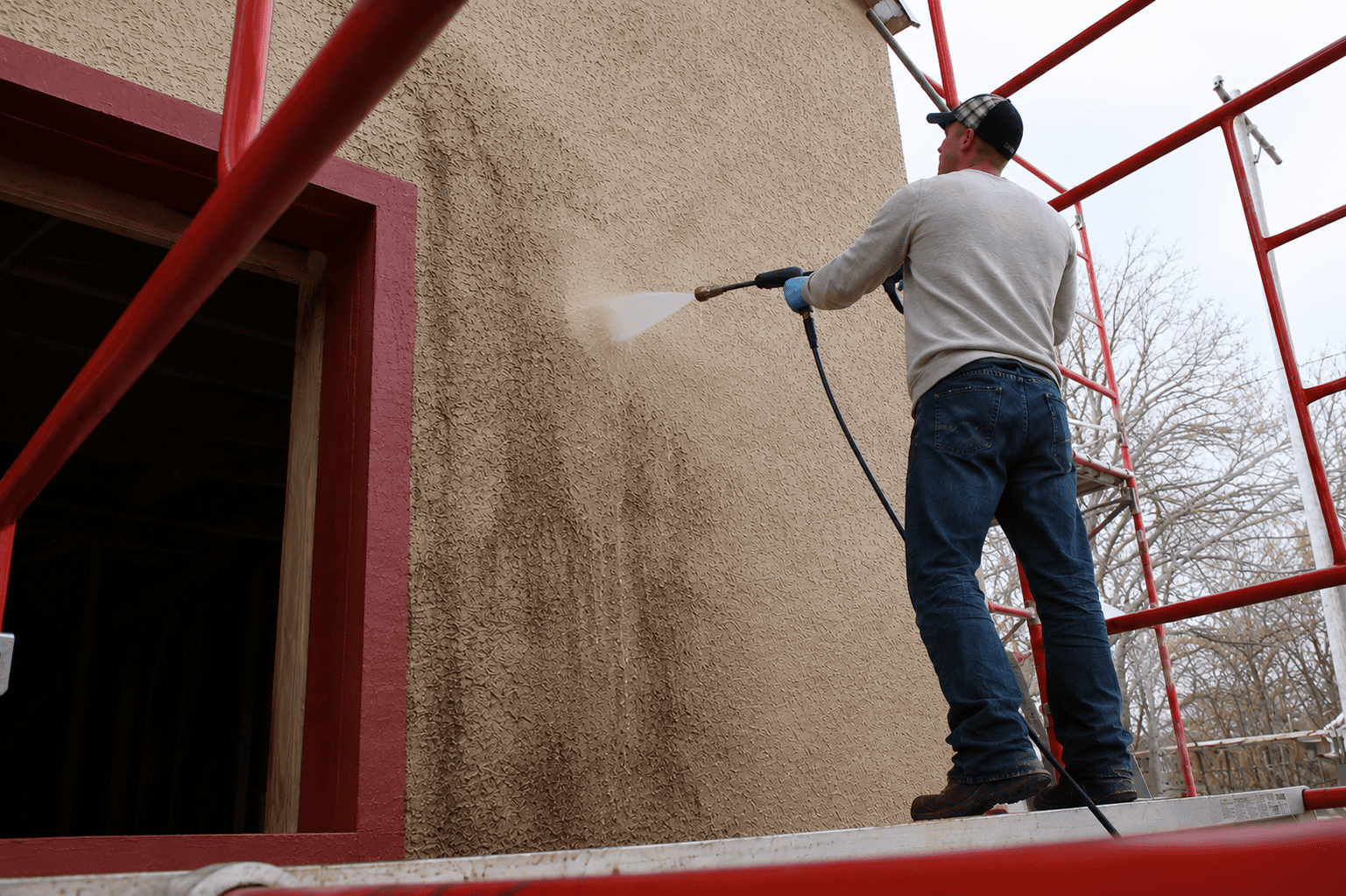
The rinse should move loosened soil off the wall without cutting into the finish. Low-pressure water is usually the safer direction for stucco because it gives the surface a controlled flush without treating speed as the goal.
Keep rinse water moving off the wall so loosened soil and cleaner residue do not dry on lower sections. Work in manageable areas when conditions are warm, sunny, or windy. Rinsing also matters around windows, doors, joints, trim, and repaired areas because those locations can collect residue or admit water if pressure is forced into openings.
Mistakes That Can Damage Stucco
Most stucco cleaning damage comes from impatience. The wall looks dirty, so the cleaner, brush, or water pressure gets stronger before the surface condition has been properly evaluated. That is how a cleaning job turns into a finish repair.
Avoid these common mistakes:
- Using excessive pressure that erodes texture or forces water into cracks
- Scrubbing with abrasive pads, wire brushes, or stiff tools that scar the finish
- Applying harsh chemicals without confirming compatibility
- Skipping a small test area before full application
- Letting cleaner dry on the surface before rinsing
- Cleaning over cracked, loose, or damaged stucco
- Treating mold, mildew, hard water, and general dirt as the same problem
- Forgetting painted stucco may react differently than unpainted stucco
These mistakes matter because stucco damage is not always visible right away. Water intrusion, surface erosion, discoloration, or coating damage may show up after the wall dries. Safe stucco cleaning depends on restraint.
When Professional-Grade Cleaning Products Make Sense
Once the damaging shortcuts are off the table, product selection becomes the next control point. Large wall areas, mixed materials, older finishes, repeated staining, and uneven weather exposure can turn stucco cleaning into a maintenance decision rather than a quick wash, especially when property managers and building professionals need to account for stucco, masonry, EIFS, metal panels, trim, glass, and repaired surfaces on the same building.
Professional-grade products make sense when the cleaning work needs clear product guidance instead of guesswork. For anyone asking how to clean stucco, the better field rule is simple: start with the least aggressive approach that can release the stain, then stop before the finish shows signs of stress.
Use PROSOCO Cleaners For Stucco And Masonry Surface Care
Stucco cleaning works best when product choice follows the condition of the wall. PROSOCO offers professional-grade cleaners and restoration products for masonry, stucco, and other building surfaces where stain type, cleaner compatibility, and surface condition guide the work. Contact us today for more information.