Mo Bashar isn’t scared of problem floors. He runs toward them passionately, ready for the challenge of putting out a new fire each day.
Mo Bashar didn’t come to the U.S. to clean buildings – rather, his trek from Sudan to Missouri in the 1990s was to study business in the United States and, that he did at Central Missouri State University (CMSU) in Warrensburg (now called University of Central Missouri).
To support himself through college, Mo began cleaning office buildings at night – a prescient choice at the time. Back then, he never could have imagined that his future self would still be cleaning buildings – just on his own terms, at a much larger scale, and in aid of his own entrepreneurial success.
“After I graduated, I thought, OK what am I going to do next,” he says. “I thought, ‘I enjoy cleaning and I love what I’m doing. I’m just going to continue working and build my business.’ And that’s how I started.”
Mo is the founder and owner of Unlimited Building Maintenance (UBM), a Lenexa, Kan.-based business offering a “total facility solution” to mostly commercial building clients, though he absolutely loathes the pomp of that “owner” title. “I’m not here to tell people that I own the company,” he says.
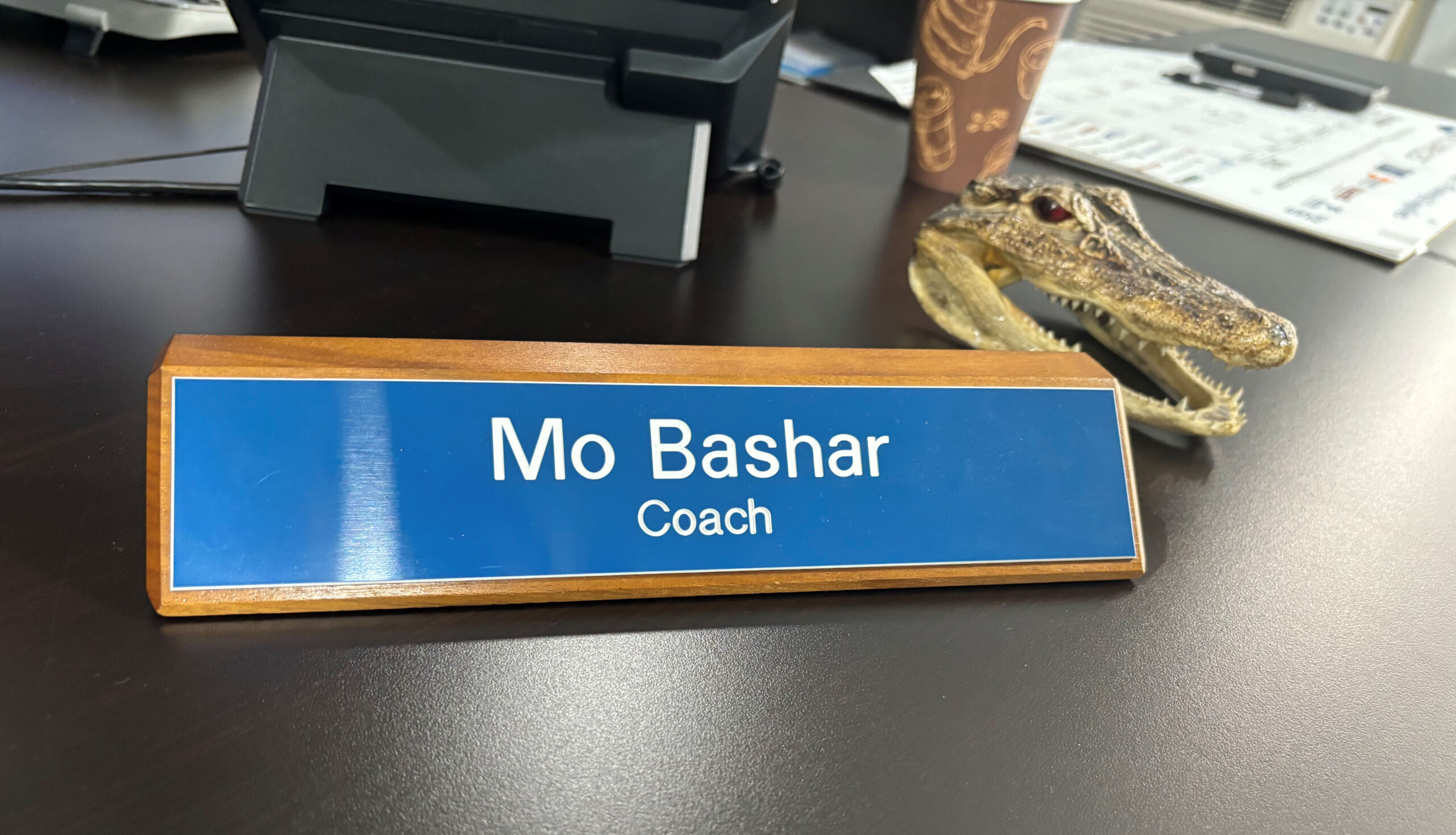
He much prefers to be called coach. That title is better suited to what Mo does anyway. His talents include hiring the right people; building a base of constantly evolving knowledge from the inside-out; curating a culture of trust; and maintaining that trust by doing things the right way and taking the best possible care of buildings.
Growing in spite of modesty
UBM isn’t a typical janitorial company, but janitorial work is how it started. Originally, Mo’s goal wasn’t growth, but he grew anyway.
“The owners of the facilities who hired us to clean would bring in contractors to do their floors and carpets, and they just created problems and headaches for us,” he says. “They’d do the work either half-ass or not up to our standards. We just got tired of it. It affected us because we’d have to come in and clean up their mess.”
He recalls one time early on his career when a contractor came in over a weekend to lay tile, and on Monday morning he found splashes on the walls in the bathrooms and lobby, and more stains than were there the week prior.
“It took us a long time to get it cleaned up and bring it up to the standard that can be maintained. I just thought, ‘What if we do this? What if we learn how to do these activities?'”
And so, they did. Now, Mo’s clients come to him not just for cleaning, but when their floors need care.
“We’re already here, we have the knowledge to maintain those surfaces, and we do the work,” he says. “We get keys to the buildings. They trust us, and we take ownership of it. That’s how we started.”
Prior to that, Mo cleaned only interior assets, like partition walls, cubicle walls, chairs, and carpets. With his move into complete floor care, Mo quickly learned how to maintain a huge variety of floor types, from rubber, industrial epoxy coating installations, LVT, and VCT, to stone, terrazzo and polished concrete.
“Then, we started migrating outside to hardscapes like sidewalks and concrete repair,” Mo says.
As he expanded his services (again) to building exteriors, so too grew the trust his clients put in him and his team. That trust was built through his constant pursuit of knowledge and commitment to being extremely helpful.
“I spend about two hours every single day either reading about floors or watching YouTube videos about floors,” he says. “I’m always learning. Always, always, always. I LOVE FLOORS!”
“My job is this: I support my people to help them to be successful, in anything that I can do. And, besides the financials, I have a wealth of knowledge when it comes to floors. And I tell my people, ‘If you’re working on a floor, I don’t care if it’s two o’clock in the afternoon or two in the morning, you call me if you need help. I’m here for you.’”
“My people say to me, ‘You’re like a firefighter. When you see a floor with problems, you get excited. You want to go in.’”
His knowledge grew into confidence, which grew into trust, which grew into more and more satisfied customers each year who turn to Mo for anything related not only to floors, but to the maintenance of their whole building, inside and out.
“They don’t come to us because we’re there cleaning the building,” he says. “They come to us because we have the knowledge, and we have the resources like Mike Dickey (PROSOCO rep).”
All-organic marketing
Today, UBM serves multiple clients in the Kansas City metro and surrounding cities, including industrial (warehouses, food processing plants, manufacturing, medical facilities); property management companies with class A buildings and multiple tenants; and private commercial building owners without property management representation. And he got there with a marketing budget of virtually zero.
“Ninety percent of our work is repeated from people that use us,” he says. “We have maintenance programs for over 65% of the customers, so that’s recurring work. And then we have people who tell their friends about us. Our goal is to be invited back and then they tell their friends about their experience with us.”
Word-of-mouth works for Mo because he focuses on making building maintenance as painless as possible for his customers. In fact, he hopes they never even think about it.
“We’re all about taking away the stress related to maintaining a facility,” Mo says. “We manage it professionally, we know how to do it very well, and we get compensated. In most cases, we’re higher than other companies in the Kansas City metro, but we deliver, and we stand behind our work. We’re not perfect. Things go wrong, but we’ll be all over it to make sure we make it right, and we learn from our mistakes. We want to be a total solution for facility maintenance.”
Following the road MAPP
For customers who sign up for UBM’s Maintenance of Asset Preservation Program (MAPP), they benefit from preventive maintenance and long-term reduction of capital expenses.
On a polished concrete floor, here’s what that looks like:
- Daily dust-mopping with LSKlean. “We do that no matter what,” Mo says.
- Periodic, more intensive cleanings, depending on the soil load and traffic habits of the facility. “When we do daily cleanings, if we notice the floor is not looking good, then we’ll come in and do a periodic cleaning.”
- Restorative cleaning, which could involve deep cleaning with auto-scrubbers, removing minor scratches, and then resealing with PolishGuard and repolishing.
MAPP customers also get two bonus check-ins a year. Once in the fall, when Mo comes in to power-wash sidewalks and look for any needed concrete repairs. For significant concrete repairs, Mo likes to use heavy-duty industrial concrete repair materials to resurface sidewalks followed by a protective treatment of Saltguard WB. He says, “We like the water-based Saltguard because it’s user-friendly and we’ve gotten good results with it.”
The second check-in is late winter to early spring, when Mo comes in to assess the property’s condition after Kansas City’s harsh winters.
At this check-in, Mo will do another round of power-washing to clean away ice melt and any residual grime, and then make a plan with owners to tackle any new stains or deterioration.
“I spend about two hours every single day either reading about floors or watching YouTube videos about floors. I’m always learning. Always, always, always.”
“Sometimes the snowplowing is unforgiving, and there’s a lot of damage on the concrete,” he says. “So, we’ll do the repair, and for the surfaces that don’t already have Saltguard, we’ll apply protection.”
The benefit of MAPP is two-fold for Mo and his clients.
For UBM:
“If I took over the facility and we follow MAPP, my people are doing the daily cleanings, and my ‘floor care commanders’ come in and do the periodic and restorative cleanings, then the floors should look good all year long,” he says. “When that happens, clients are happy. If the floor stays nicer and cleaner, when my floor care commanders come in, they spend less time in the building because I don’t have to bring it back to life. They can move on to another building. But if you let the floor go to hell, you’re going to be in this building for a minimum of two days.”
For UBM customers:
“We’ve been saving a lot of money for owners and facility managers who used to spend a lot of money on deteriorating concrete,” he says. “But now the secret sauce is when you get to the last step, which is sealing and protecting. Unfortunately, a lot of people skip that step. They do everything else and just stop.”
“But, for us, it’s a system because we have warranties in our work. In order for us to uphold the warranty, we follow the standards and manufacturing recommendations. The standards say you need to protect that surface because, especially in Kansas City, we have snow and ice melt and freeze and thaw, so you have to protect it. That’s what we’ve been doing, and it works well for campuses and commercial facilities.”
“A lot of people come in and do two or three cuts and call it quits, which is OK for some people. But for us, we want to give you a lifetime floor.”
A lifetime floor
A cookie-cutter approach doesn’t cut it for Mo when it comes to floors. Each surface is different, and he believes almost every surface can be saved.
“We do things a little differently because I’m looking for longevity,” he says. “For example, when we do industrial concrete for our first cut, we do mechanical grinding using metal bonds that flatten the surface. Then we transition to resin and we use a planetary machine for honing, polishing, and sealing the polished surface. We do it that way because I want this floor to be so dense and closed up.”
“A lot of people come in and do two or three cuts and call it quits, which is OK for some people,” Mo says. “But for us, we want to give you a lifetime floor. So, you never have to grind that floor again because everything has been done. All you need to do is protect it with PolishGuard.”
Even on the most difficult flooring challenge, Mo is not one to shy away, and he believes that matters for a lot of people, and a lot of floors.
“We try to come up with ideas to improvise or fix challenging situations,” he says. “For example, we’re big on restoring versus replacing. Refurbishing versus removing and putting in new stuff. My people say to me, ‘Mo, you’re like a firefighter. When other people see fire, they run out of the building, and the firefighters go in. When you see a floor with problems, you get excited. You want to go in.’”