
Concrete flooring and EPDs
Where a Health Product Declaration (HPD) is about human health, an EPD is about climate health. An EPD is the calculation of the environmental impact of a product -- a number that tells you the equivalency, in kilograms, of CO2 added to the atmosphere when using a particular product on a building.
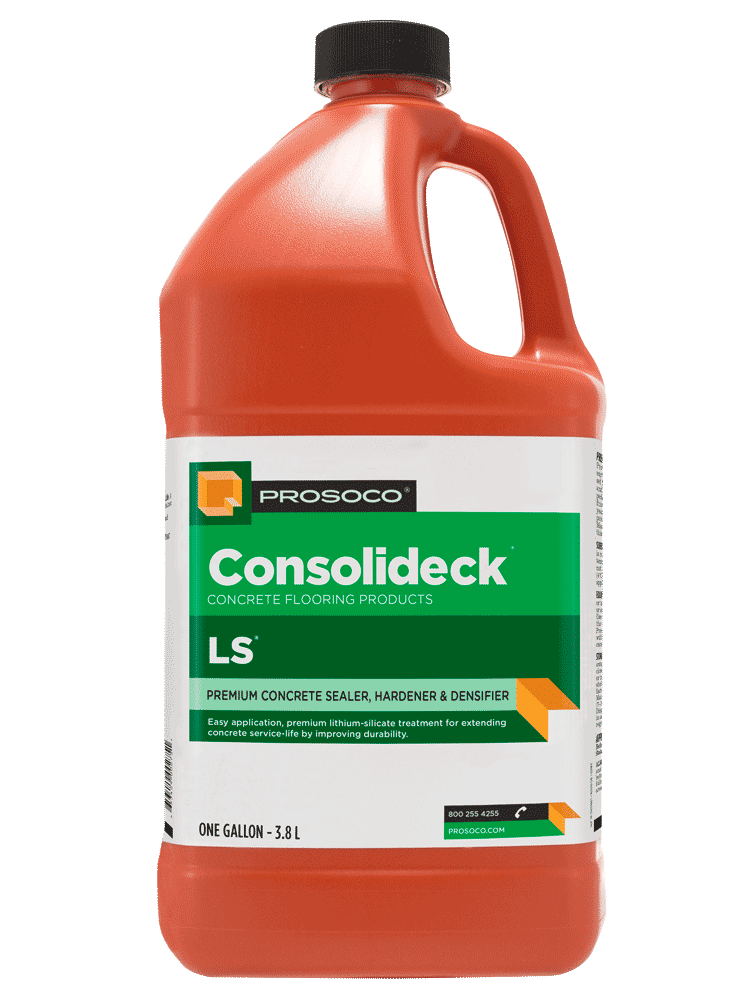
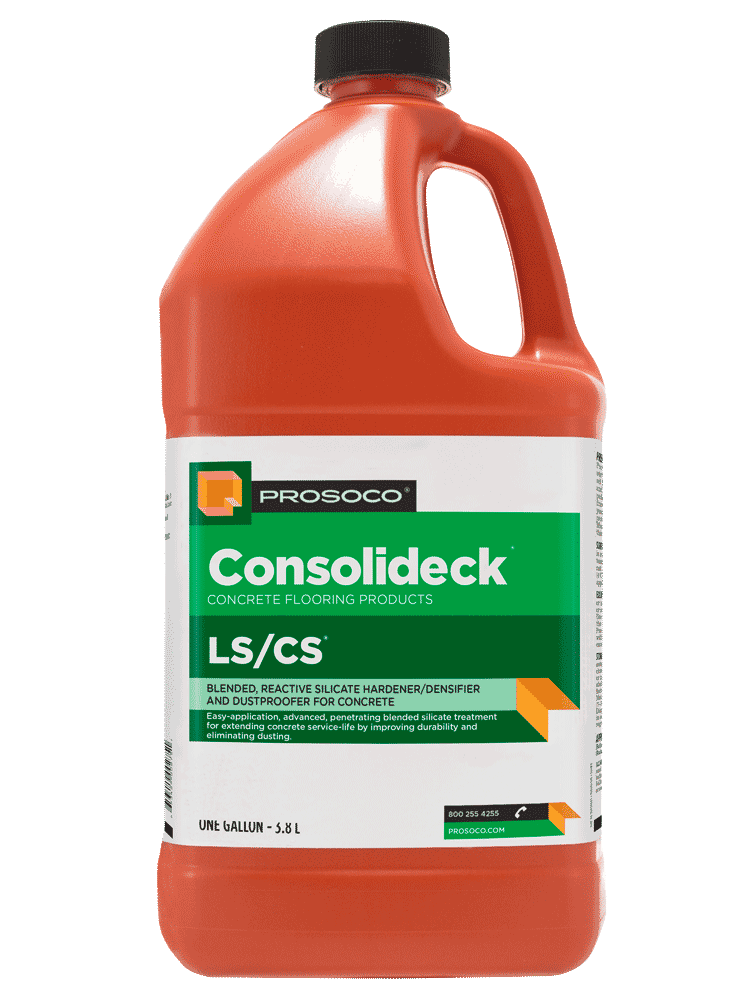
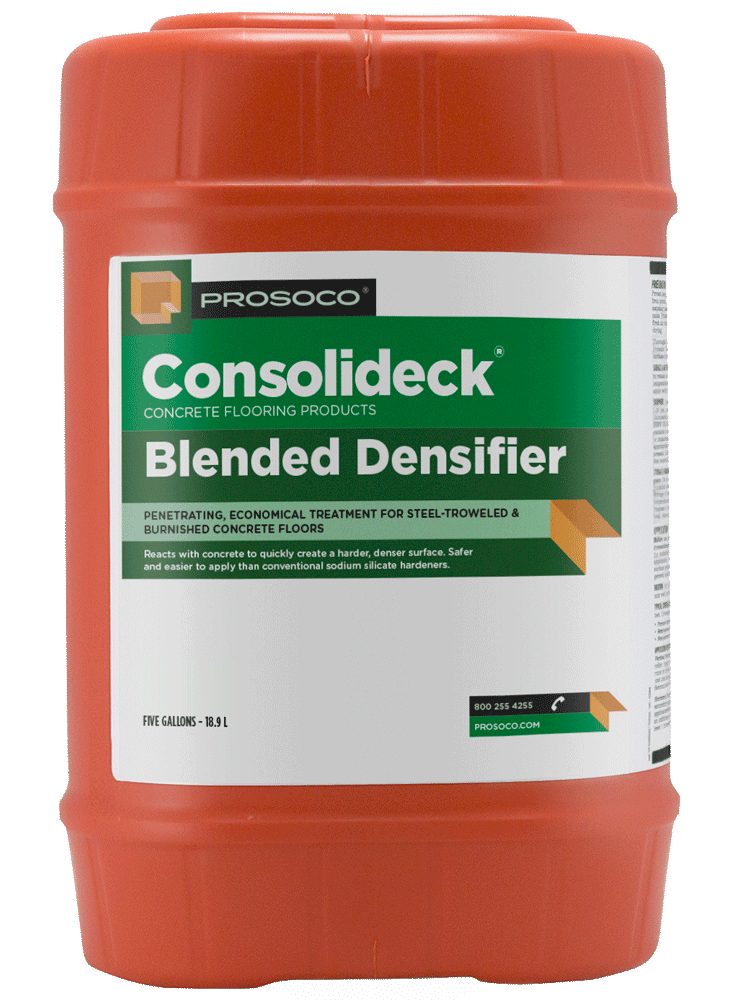
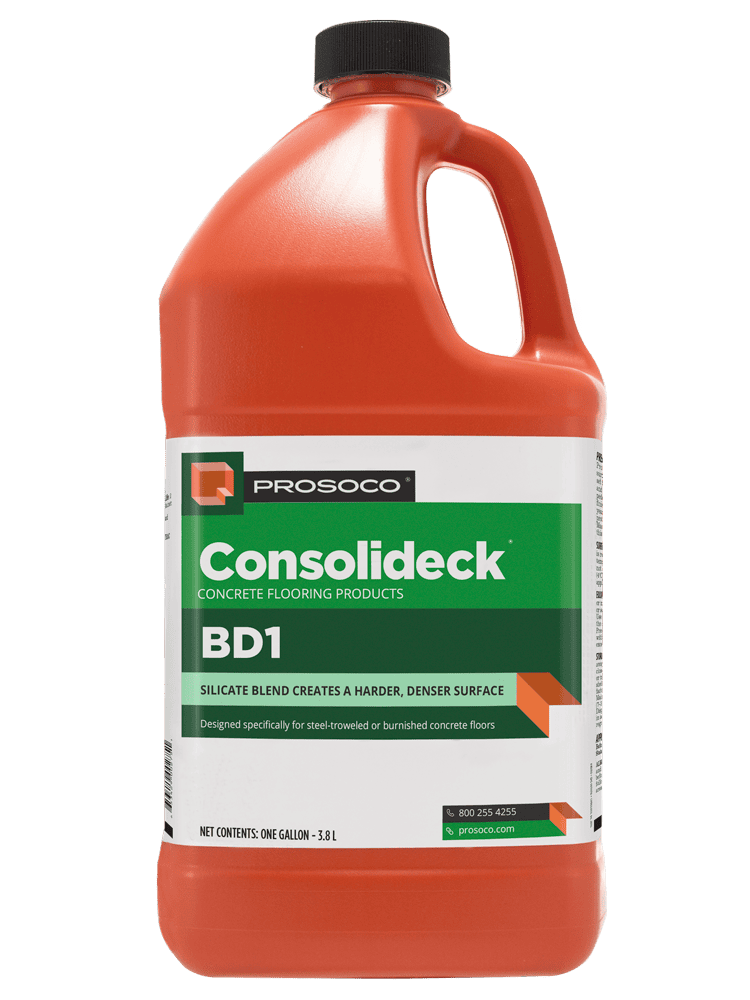
For our densifiers, their respective EPDs account for everything from the extraction of the raw materials to the creation of the finished product and all of the transportation involved in the supply chain. While EPDs are useful for design professionals in the green building community working on whole-building lifecycle assessments and carbon footprinting, the exercise of acquiring EPDs for our densifiers was helpful to PROSOCO as an organization, too, according to Alex Boyer, New Business and Sustainability Strategist for PROSOCO.
"EPDs help manufacturers like PROSOCO truly understand how their products impact the environment and where improvements can be made," he said. “By providing verified environmental data, we’re helping project teams make more informed decisions while supporting evolving sustainability expectations across the built environment.”
“In addition to helping project teams, EPDs are also invaluable as a resource for manufacturers like PROSOCO. The exercise of generating these documents helps us better understand the impact of our products and practices on the environment and identifies opportunities for improvement in sustainability.”
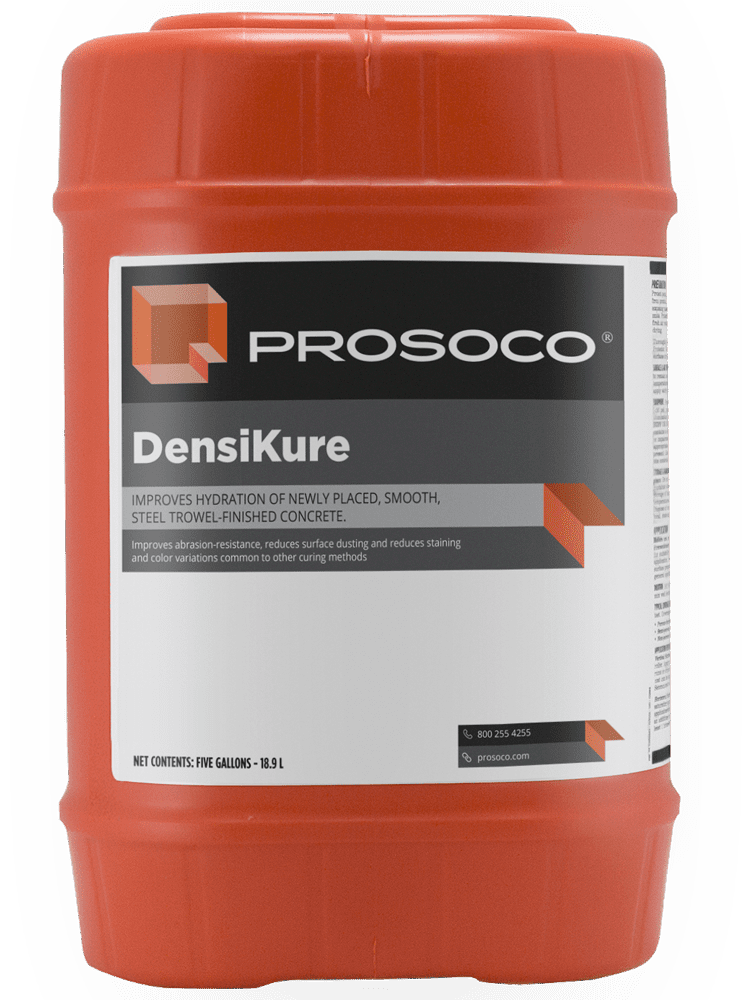
Densifiers with EPDs and ESD Compliance
Concrete flooring & electrostatic-dissipative (ESD) environments
For an ultra-sensitive environment like a data center, ASTM F150 (fully known as ASTM F150 Standard Test Method for Electrical Resistance of Conductive and Static Dissipative Resilient Flooring) isn't just a flooring spec. It's a risk management requirement.
ASTM F150 matters because:
- It prevents floor collapse
- It protects multimillion-dollar equipment
- It ensures cooling efficiency
- It supports long-term scalability
- It reduces operational risk
Electrostatic discharge, although invisible, can have devastating effects on sensitive electronic components, leading to data corruption, equipment failure, and significant financial loss. At the same time, moisture in concrete floors can threaten the integrity of floor finishes and contribute to other costly building failures. That’s why the use of static-dissipative concrete densifiers—especially those tested to meet the ASTM F150 standard—is increasingly critical in building design and operations.
When a densifier or floor treatment passes this standard, it indicates that the treated surface will not allow dangerous levels of static to build up, while also preventing unwanted current spikes that could damage electronics.
ASTM F150 compliance helps mitigate those risks. Flooring systems and treatments that pass this standard play a crucial role in safeguarding critical infrastructure and ensuring uninterrupted uptime in facilities where a single electrical discharge could lead to major operational setbacks.

Ask an Expert
Get help with LEED v5, WELL or other sustainable concrete flooring projects