
Commercial floors absorb more abuse than residential surfaces ever will. Foot traffic, rolling loads, tracked-in grit, moisture, and repeated chemical exposure act on commercial floors every day, but the damage they cause is cumulative and rarely visible until performance starts to fail. Understanding commercial floor cleaning begins with recognizing that daily cleaning decisions determine how quickly surfaces lose protection and require intervention.
Why Commercial Floors Require Specialized Cleaning Approaches
High-traffic environments treat floors as working systems rather than decorative finishes. Dirt functions as an abrasive under repeated foot traffic, gradually wearing protective layers and altering surface texture. Moisture introduces slip risk while carrying contaminants deeper into porous materials. Cleaning chemistry reacts with both soil and floor finishes, influencing residue buildup and long-term wear patterns.
These forces operate continuously. That reality explains why routine cleaning choices matter as much as periodic deep cleaning events in commercial environments.
Common Commercial Flooring Types And Their Cleaning Challenges
Different flooring materials respond differently to abrasion, moisture, and chemistry. Treating them interchangeably accelerates wear rather than preventing it.
Concrete Floors
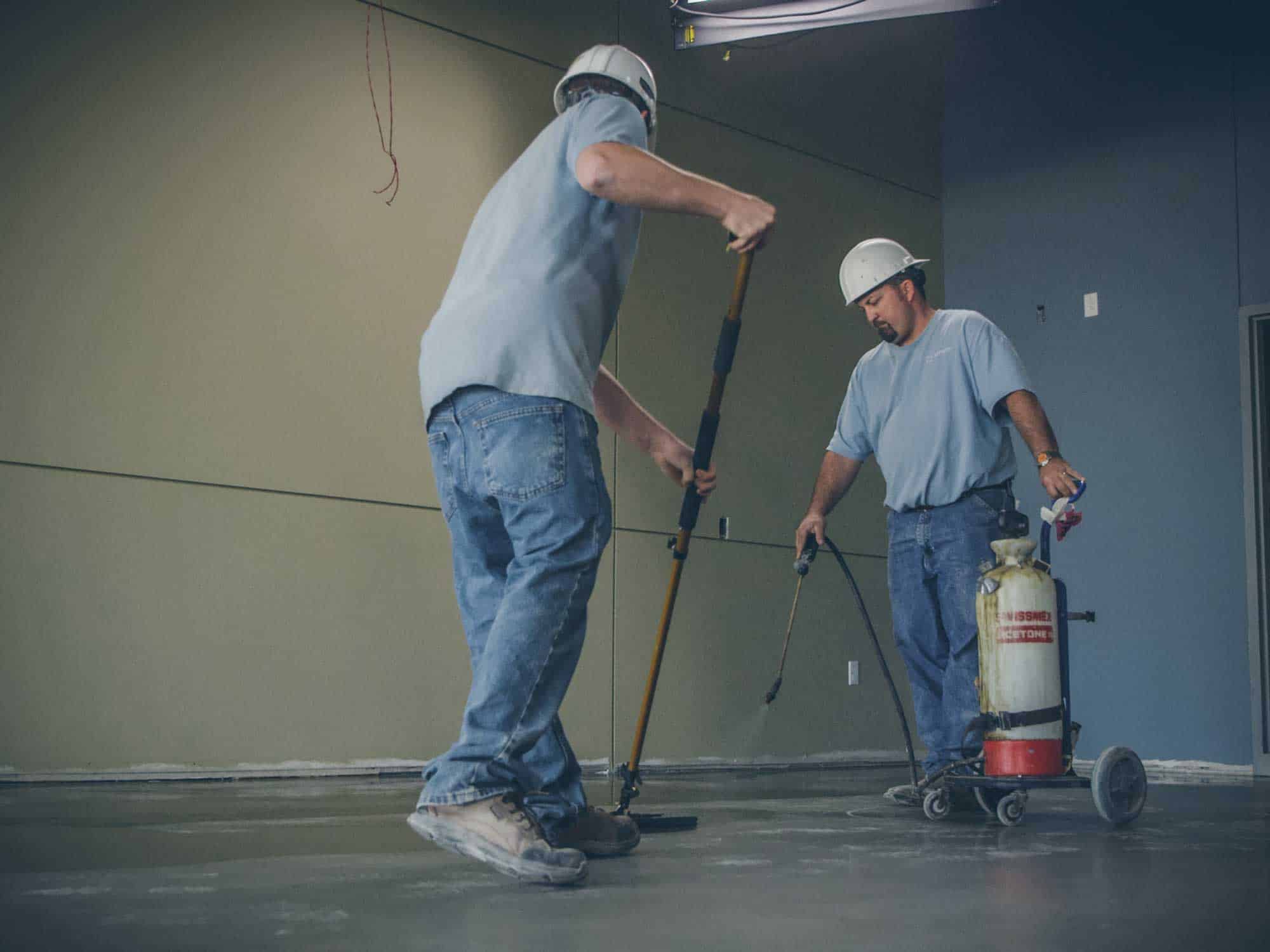
Polished, sealed, and coated concrete floors are common in commercial facilities because of their durability and appearance. Despite that durability, concrete remains porous. Incompatible cleaners can penetrate the surface, disrupt sealers, or leave residues that reduce gloss and increase maintenance demand. Abrasive soils tracked across concrete behave like fine sandpaper if not removed consistently.
At scale, that wear adds up. Effective commercial floor cleaning controls soil load while preserving the protective systems applied to the slab.
Resilient Flooring (VCT And Similar Surfaces)
Resilient floors rely on surface finishes to provide protection, gloss, and predictable slip resistance. Harsh chemistry or excessive mechanical action strips finishes unevenly, exposing the base material and accelerating wear. Residue left behind by incompatible cleaners interferes with future finish adhesion, increasing labor during restoration.
In these environments, commercial floor maintenance depends on balancing cleaning strength with finish preservation.
Tile And Grout Surfaces
Tile and grout floors combine dense tile with highly porous grout lines. While tile resists staining, grout readily absorbs soils and moisture. Inadequate cleaning leaves embedded contamination that darkens grout and contributes to odor and hygiene concerns. Overly aggressive methods erode grout or damage surrounding materials.
Effective cleaning addresses both components without compromising either.
Natural Stone Floors
Natural stone varies widely in hardness and chemical sensitivity, particularly with respect to pH. Acidic cleaners etch calcareous stone, while alkaline residues dull polished surfaces. Damage is often irreversible. That’s the trade-off.
These surfaces demonstrate why commercial floor cleaning cannot rely on generalized methods or interchangeable products.
Carpet And Carpet Tile In Commercial Settings
Carpeted surfaces behave differently than hard floors because soil becomes trapped within fibers rather than remaining on the surface. Vacuuming removes loose debris, but fine particulate and oily soils migrate downward under foot traffic, where appearance may degrade before contamination becomes obvious.
Extraction frequency depends on traffic intensity, entry control, and soil type. Over-wetting carpet introduces extended drying times and can contribute to odor or microbial growth, while under-cleaning allows embedded soils to abrade fibers from within. Effective floor care programs treat carpet maintenance as a separate system rather than an extension of hard surface cleaning.
Routine Maintenance Versus Deep Cleaning
Effective floor care depends on understanding how routine soil control and periodic restoration serve different roles within a commercial maintenance program.
Routine Maintenance
Routine maintenance forms the foundation of effective floor care in commercial settings. Daily or frequent cleaning removes loose soil before it embeds or becomes abrasive. Dust mopping, vacuuming, and controlled damp cleaning reduce the amount of grit contacting the floor under traffic.
This stage is preventative. When performed consistently, it slows wear and extends the service life of finishes and coatings.
Deep Cleaning
Deep cleaning serves a separate function. Periodic restorative cleaning removes soils and residues that routine maintenance cannot reach. Over time, cleaning products, airborne contaminants, and tracked-in materials accumulate within microscopic surface irregularities. Deep cleaning resets surface conditions by suspending and removing these deposits.
Problems emerge when these phases blur. Overusing aggressive methods during routine maintenance accelerates wear, while relying only on light daily cleaning allows soils to accumulate until restorative work becomes disruptive and costly. Effective commercial floor cleaning depends on separating these processes and applying each deliberately.
How Cleaning Frequency Aligns With Facility Conditions
Cleaning frequency is not a fixed schedule but a response to traffic, use patterns, and environmental exposure. Entry zones, corridors, and service areas typically require more frequent attention than low-traffic spaces because they receive higher soil loads. Seasonal conditions further influence frequency by changing moisture levels, tracked-in debris, and salt exposure.
Frequency decisions are most effective when they reflect how different areas of a facility are actually used rather than relying on fixed calendar intervals.
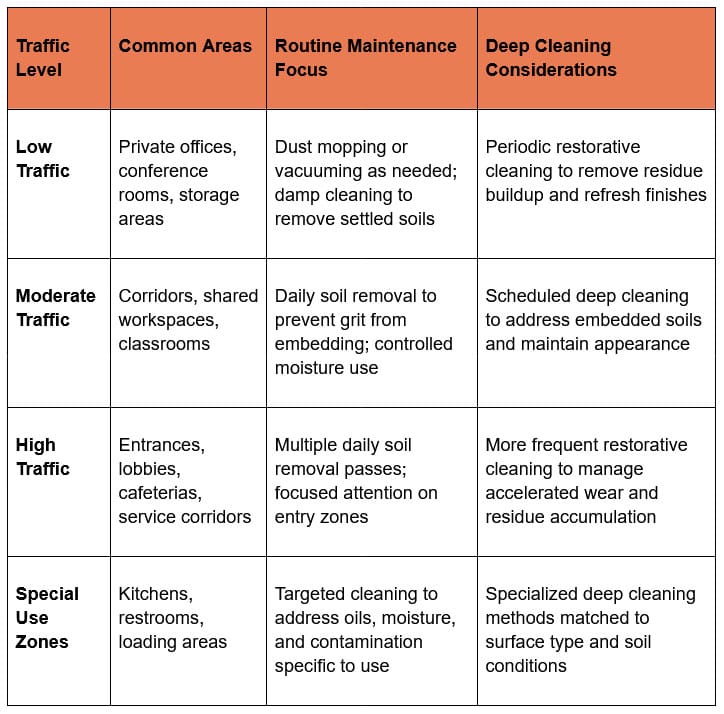
Aligning cleaning frequency with actual floor conditions prevents over-cleaning in low-impact areas while ensuring high-risk zones receive sufficient maintenance. This approach reduces unnecessary wear while maintaining consistent performance across the facility.
Why Cleaner Selection Determines Long-Term Performance
Cleaner performance is defined as much by surface compatibility and residue behavior as by immediate soil removal.
Chemistry Compatibility
Cleaner selection determines whether maintenance strategies protect floors or gradually degrade them. Cleaning chemistry must remove soil while remaining compatible with the floor surface and any protective systems present. pH, surfactant behavior, and residue characteristics all influence long-term outcomes.
Residue Accumulation
Residue is one of the most overlooked contributors to floor degradation. Some cleaners leave films that attract soil, creating rapid re-soiling cycles. Others interfere with slip resistance or dull surface appearance. Over time, these residues create the impression that floors are difficult to maintain when the underlying issue is chemical incompatibility.
Seasonal Adjustments
Seasonal changes introduce additional variables. Weather affects soil type, moisture levels, and salt exposure, requiring periodic adjustments in cleaning strategies. Maintenance cycles that account for these shifts help restore surfaces without increasing wear. Planning these transitions aligns daily care with broader facility maintenance programs, including commercial spring cleaning practices that address accumulated residue and winter soil loads.
How Equipment And Traffic Patterns Influence Results
Cleaning outcomes are shaped by how traffic, moisture, and equipment interact across different areas of a facility.
Traffic Concentration
Traffic patterns concentrate wear at entrances, corridors, and service zones. Soil loading is rarely uniform across a facility. Treating all areas identically leads to under-cleaning where it matters most and over-cleaning elsewhere, wasting labor while allowing damage to occur.
Moisture Management
Moisture management directly affects both safety and surface condition. Excess water introduces slip hazards and drives contaminants deeper into porous materials. Prolonged drying times increase residue risk. Controlled moisture application improves predictability, especially on finished or sealed surfaces.
Equipment Selection
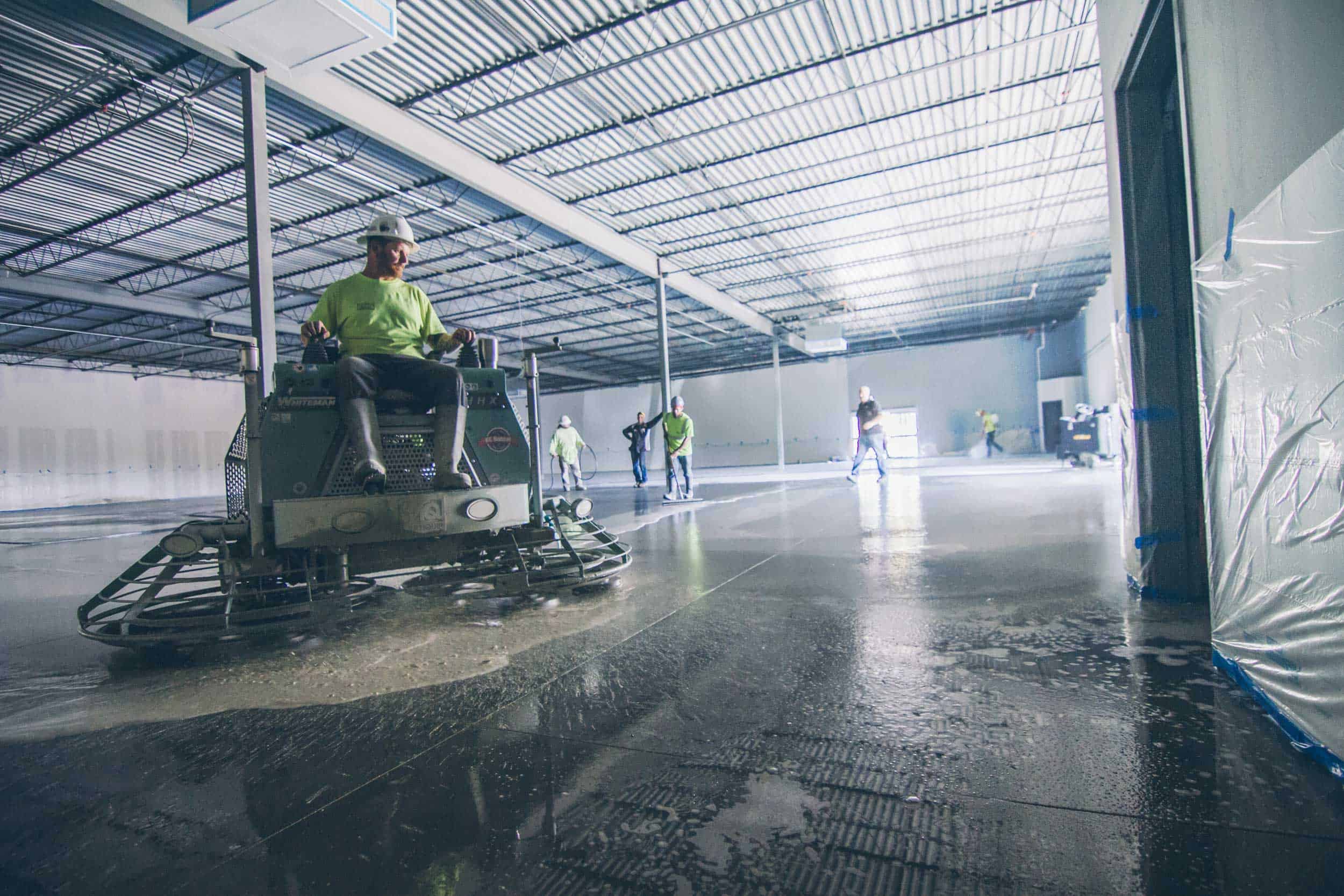
Equipment choice amplifies these effects. Powered machines deliver consistent mechanical action at scale, but they magnify chemical incompatibility. An unsuitable product used with automated equipment accelerates damage faster than manual methods. Understanding this interaction is important for maintaining large commercial facilities.
Commercial Floor Cleaning As A Long-Term Preservation Strategy
Over time, the cumulative impact of cleaning decisions becomes visible. Floors maintained with compatible chemistry and controlled processes show predictable wear and remain serviceable longer. Floors subjected to aggressive or mismatched methods exhibit uneven gloss, embedded soil, and compromised finishes. Corrective action at that stage is disruptive and expensive.
Professional-grade systems address these risks by emphasizing surface compatibility and residue control. Rather than chasing immediate visual results, they are designed for repeated use under commercial conditions. This approach aligns commercial floor cleaning with long-term surface protection.
Commercial floor maintenance is most effective when it is planned, surface-specific, and grounded in material behavior. Facilities that adopt this approach achieve longer service life, safer walking surfaces, and greater control over maintenance costs. Over time, those outcomes compound.
Protect Commercial Floors With PROSOCO Hard Surface Care Solutions
PROSOCO engineers and manufactures professional-grade hard surface care products designed to support long-term floor performance in commercial environments. Each solution is formulated to balance effective soil removal with surface compatibility and residue control. Contact us today for more information.